Visual Explainer
1.7 Million in One City: Mongolia's Population Imbalance
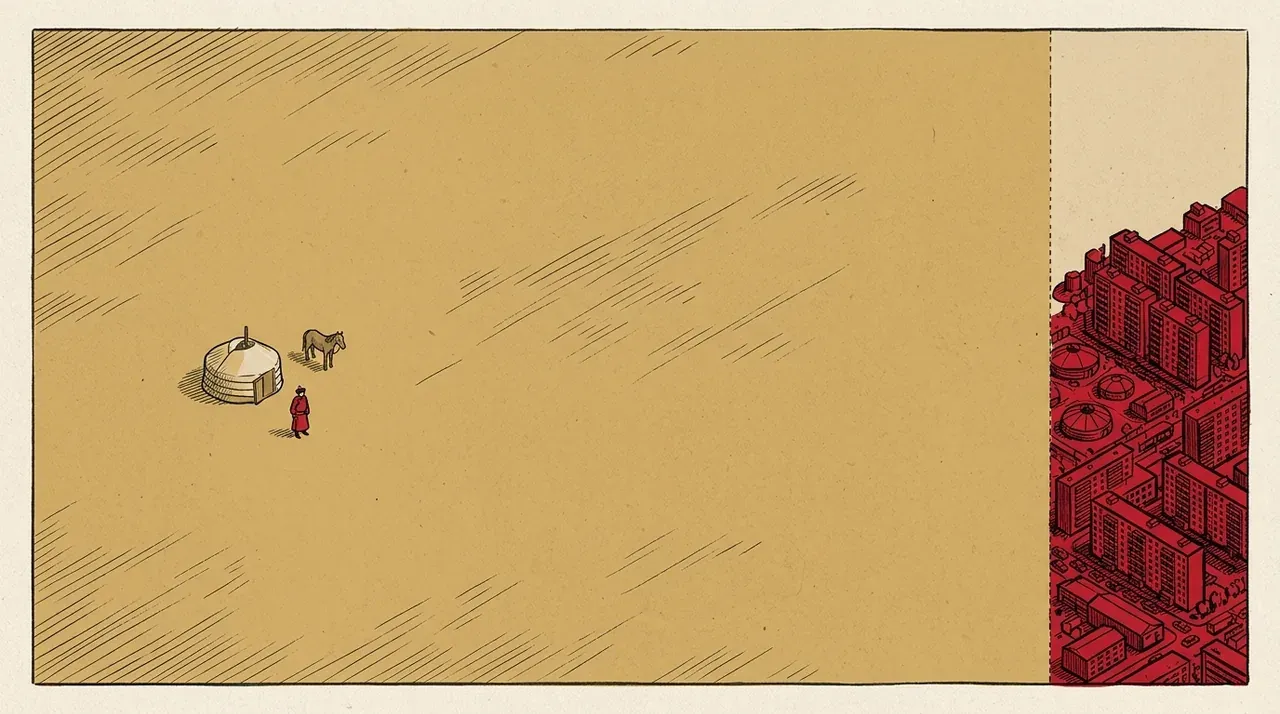
Mongolia is the least densely populated sovereign nation on Earth. With 3.4 million people spread across 1.56 million square kilometers, the national average is just 2.2 people per square kilometer. But that average is wildly misleading. Ulaanbaatar holds 1.5 million people — 45% of the entire country — in an area that represents less than 0.3% of the national territory. Outside the capital, vast stretches of the Gobi Desert, the Altai Mountains, and the central steppe contain almost no permanent settlements. Some aimags have fewer people than a single apartment building in Seoul or Tokyo.
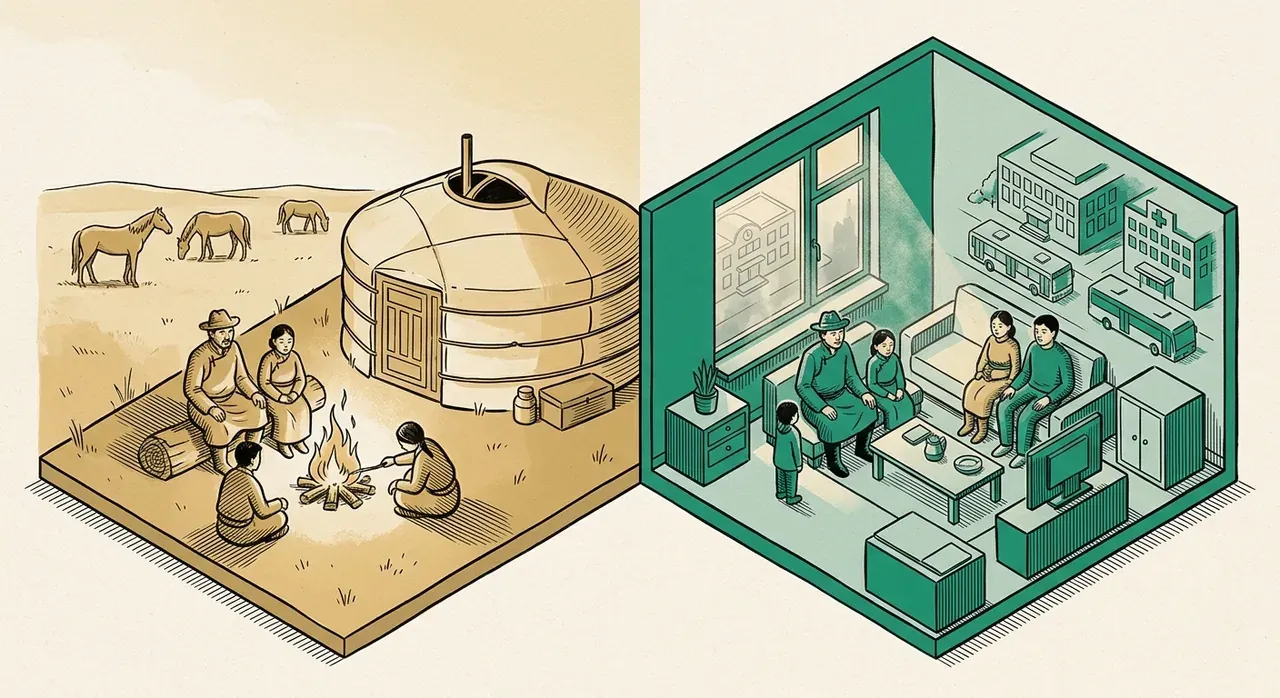
The concentration is accelerating. Every year, roughly 30,000 to 40,000 people move to Ulaanbaatar from rural aimags. They settle in the ger districts — the unplanned settlements that ring the city center, lacking paved roads, central heating, and sewage systems. This migration creates a vicious cycle: as aimag populations shrink, local services deteriorate, which pushes more people to leave. Some soums (sub-aimag administrative units) now have fewer than 1,000 residents, making it economically impossible to maintain a school or clinic.
Ulaanbaatar dwarfs every other aimag by population
Resident population by aimag, latest census. UB holds 46% of the national total.
Source: National Statistics Office of Mongolia — Population Census
Mongolia's population distribution is not merely lopsided — it is one of the most extreme urban-rural imbalances in the world. No other country concentrates nearly half its population in a single city while leaving 99.7% of its territory essentially empty. The comparison to countries of similar size is striking: Iran (1.6 million km2) has 87 million people and dozens of major cities. Libya (1.8 million km2) has only 7 million people but spread across multiple coastal cities. Mongolia's pattern — one megacity and nothing — is unique in modern demographics.
MORE IN SOCIAL
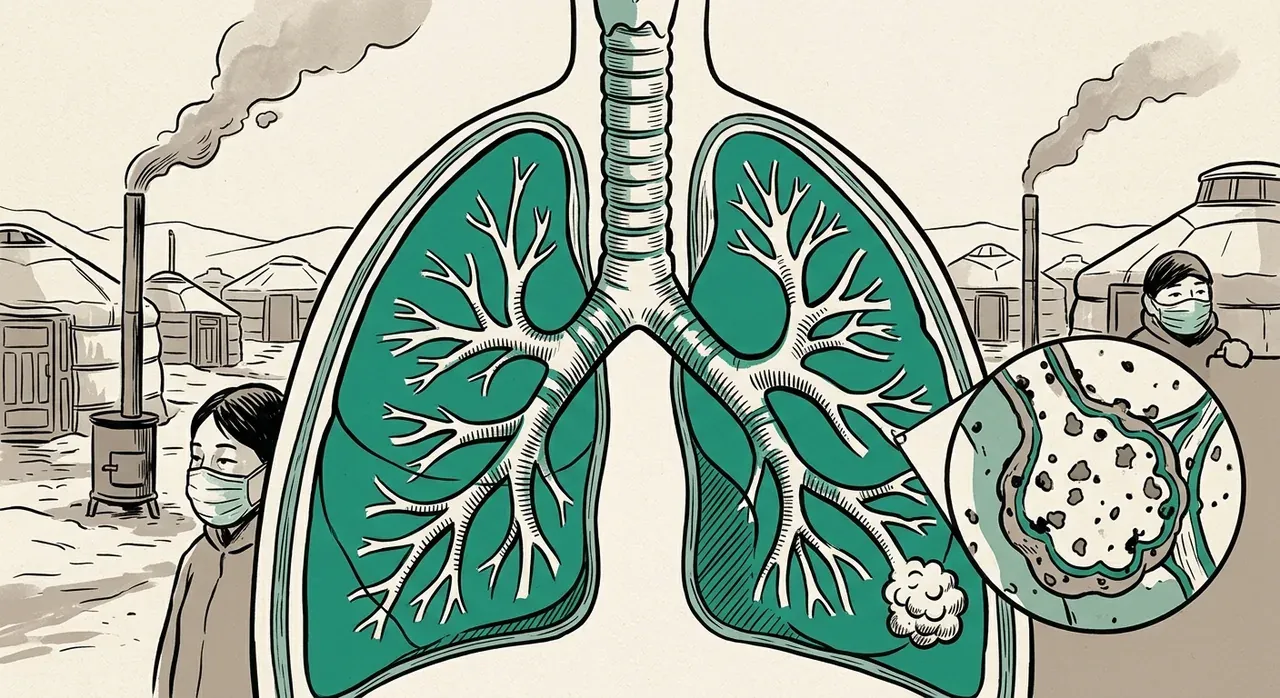
380 µg/m³ in January: How Coal Smoke Reaches Your Lungs
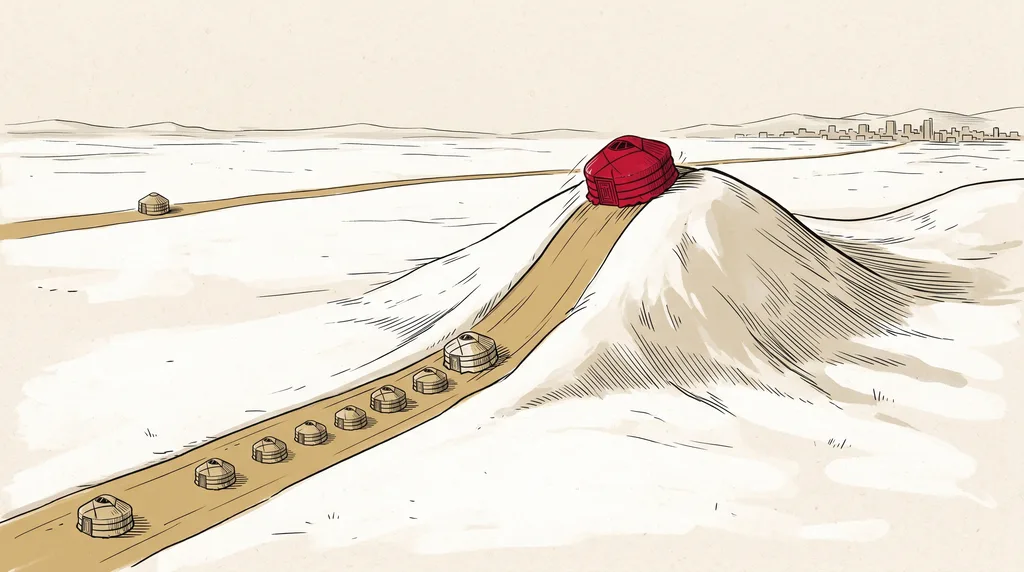
980,000 Cases: How Mongolia's Covid Compared
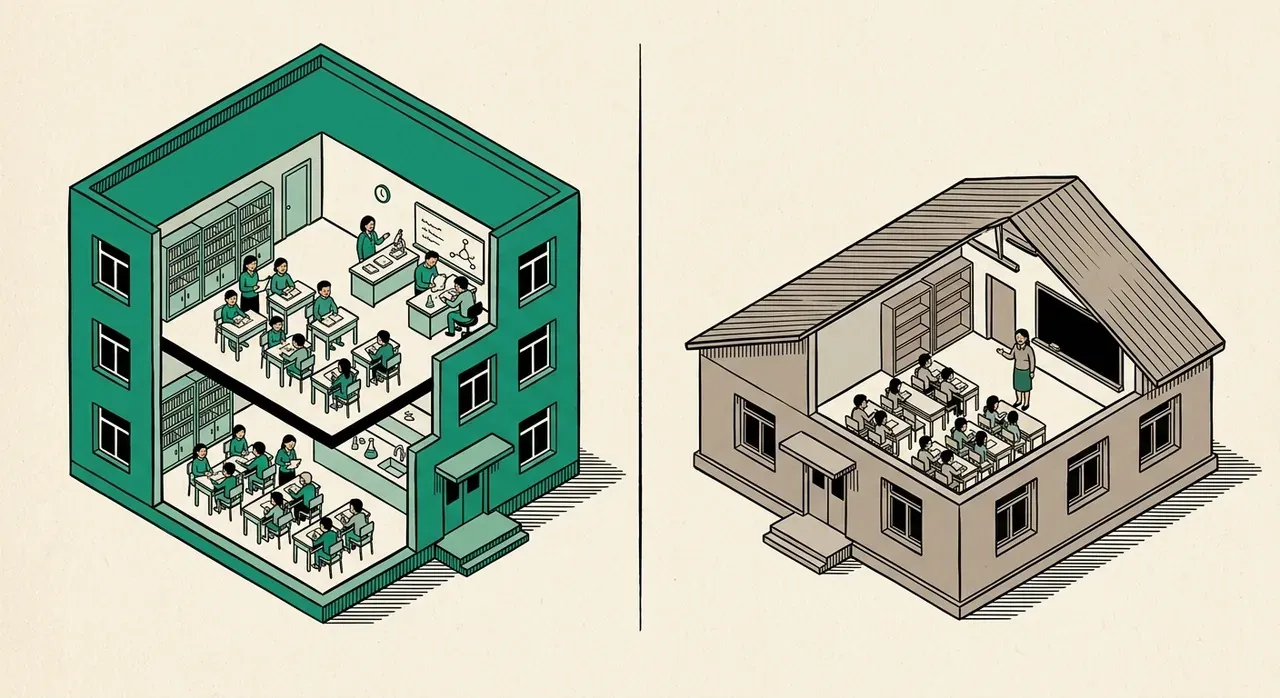
Top Schools vs. Bottom Schools: Mongolia's Education Gap
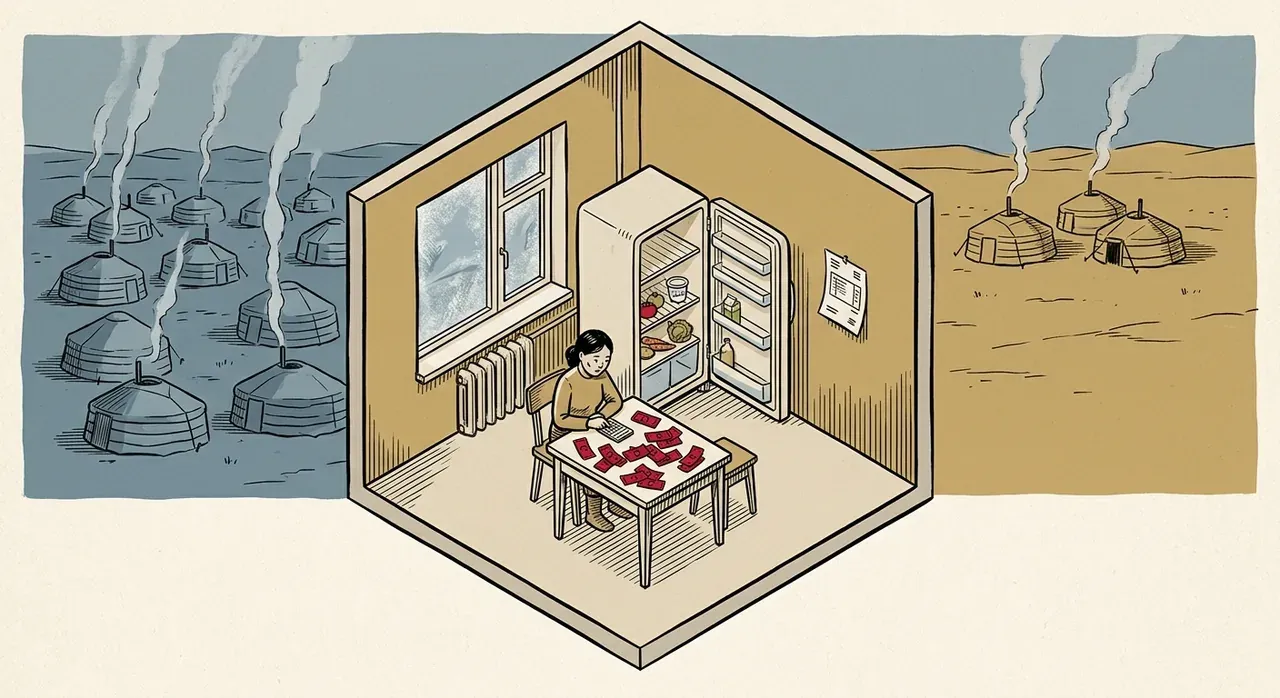
₮792,000 a Month: Can You Survive in Ulaanbaatar?
Which Hospital Should You Choose? Mongolia's Medical Data