Visual Explainer
380 µg/m³ in January: How Coal Smoke Reaches Your Lungs
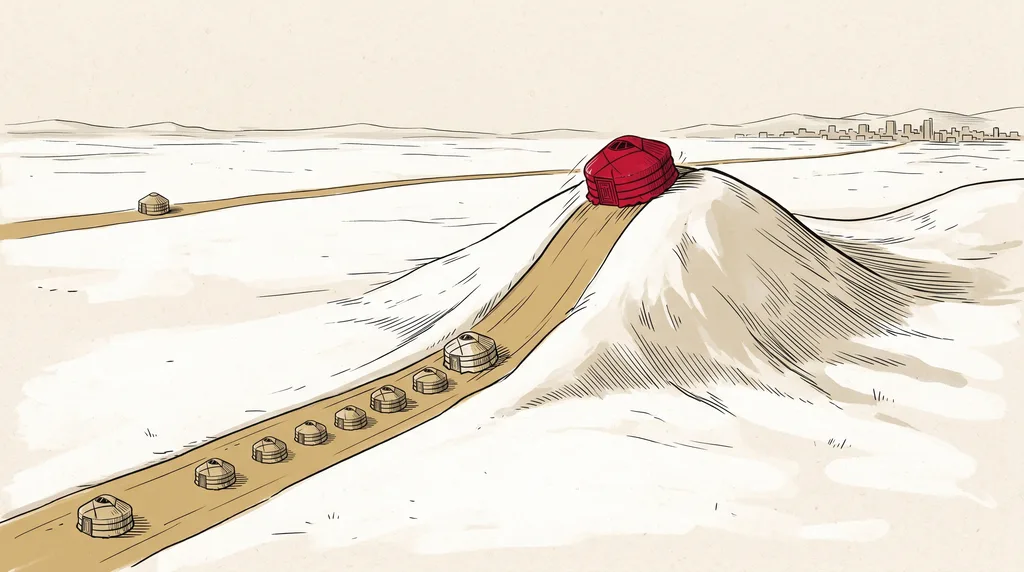
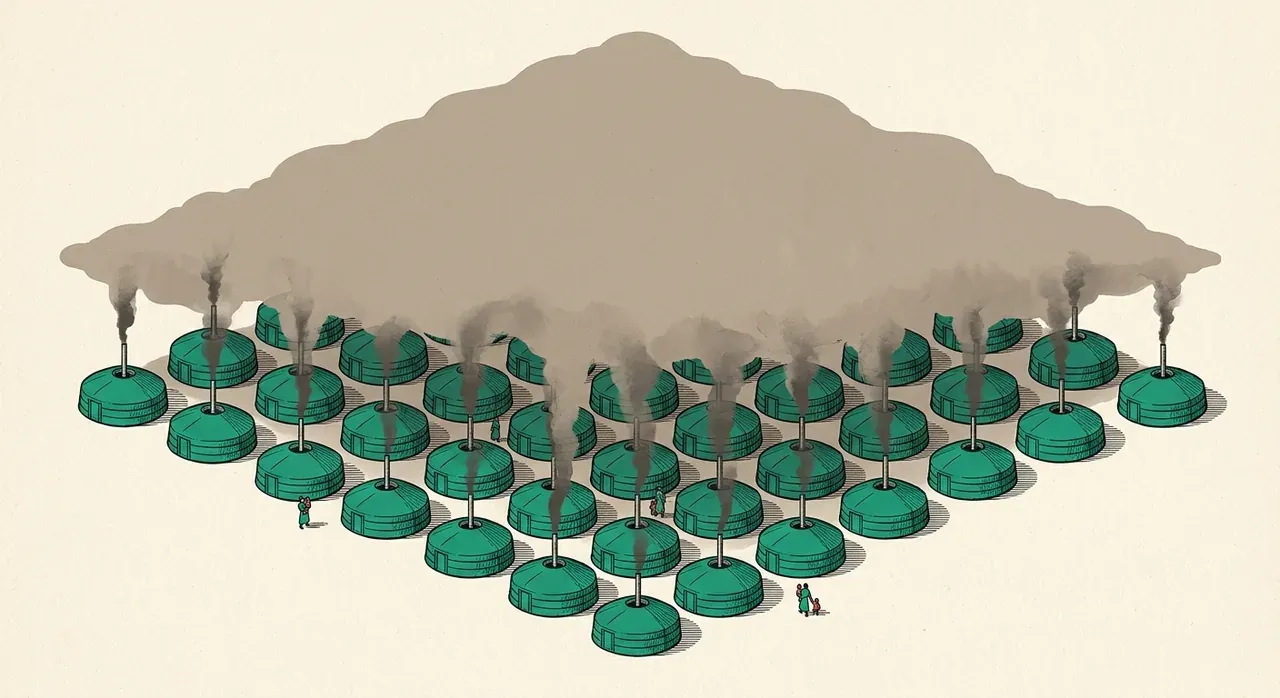
Ulaanbaatar is the coldest capital city in the world. When winter temperatures plunge to -40°C, nearly half the city's residents — those living in the ger districts — burn raw coal to survive. The smoke from hundreds of thousands of stoves doesn't just disappear. It follows a path: from fire, through air, into lungs.
The numbers tell the rest of the story. The bar chart below shows PM2.5 concentrations across different locations and seasons — from the WHO guideline to peak pollution in the ger districts. The gap is staggering.
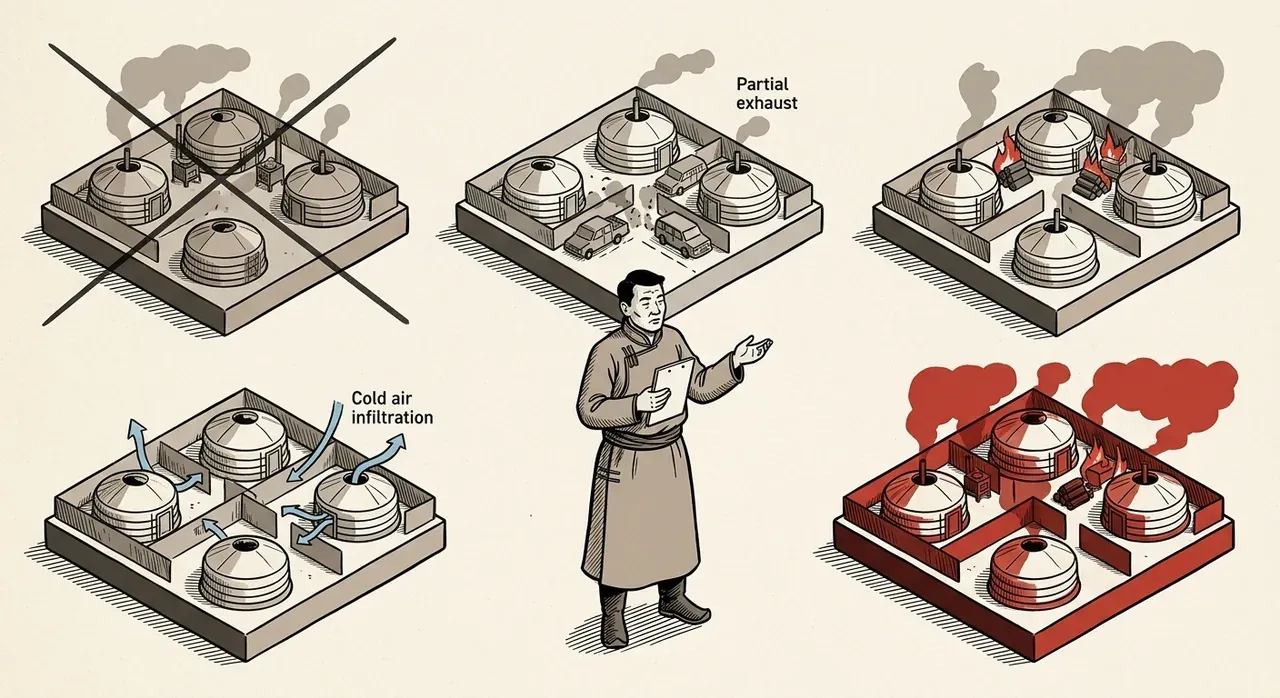
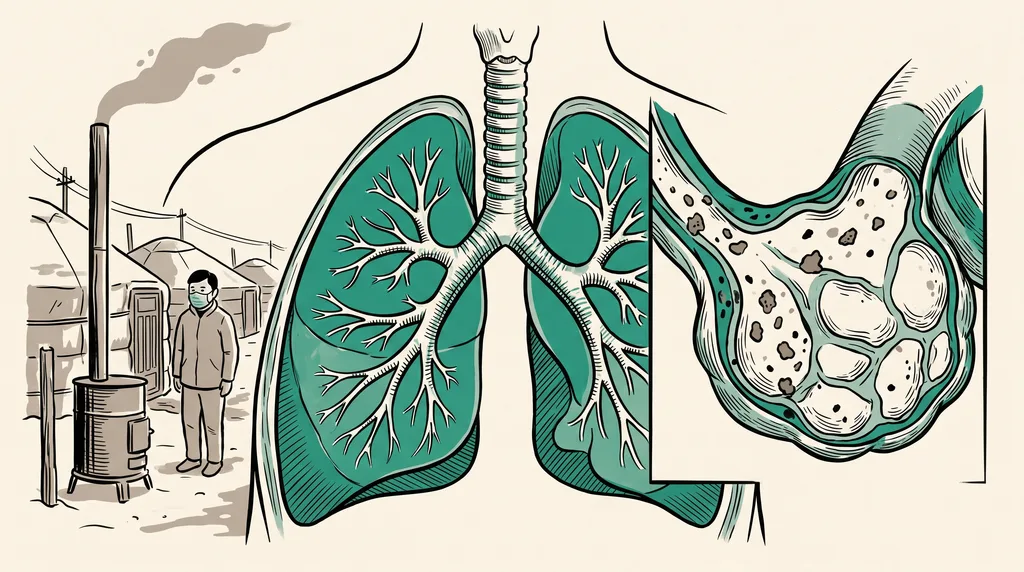
This is not an abstract environmental problem. It is a mechanical process — coal burns, particles form, inversions trap them, lungs absorb them, cells become inflamed. Understanding the mechanism is the first step toward breaking the chain.
MORE IN SOCIAL
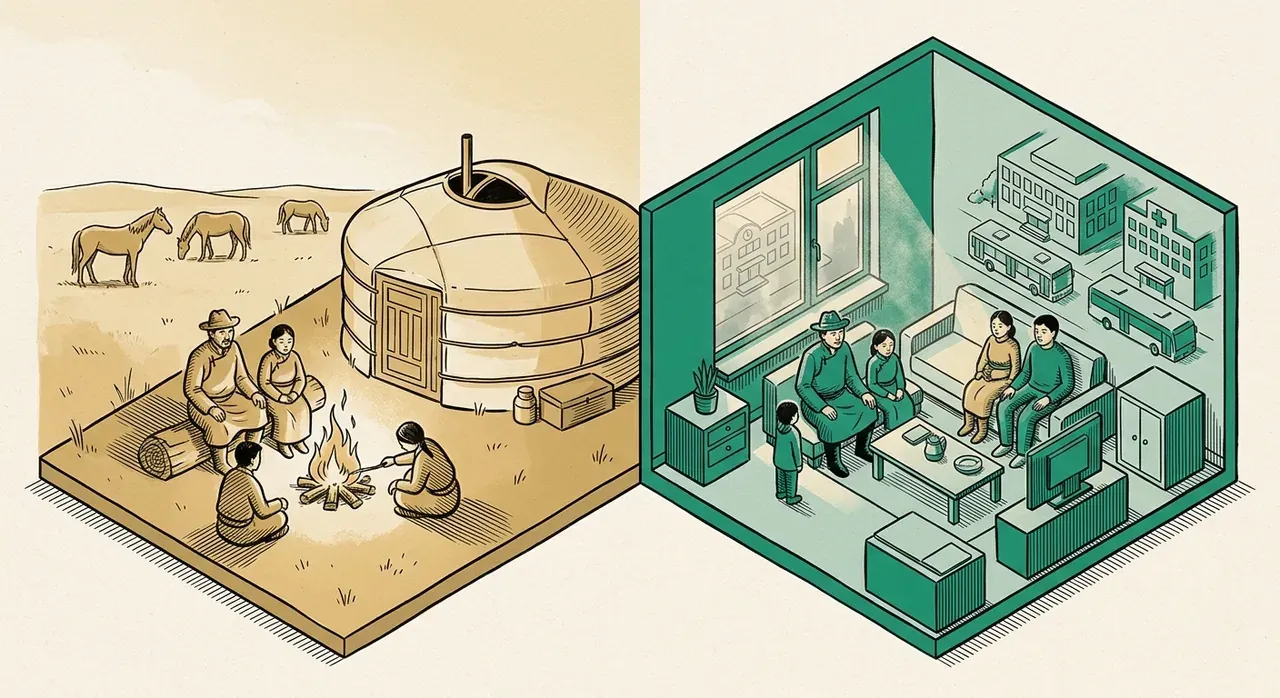
Nomad vs. City: Which Life Scores Higher?
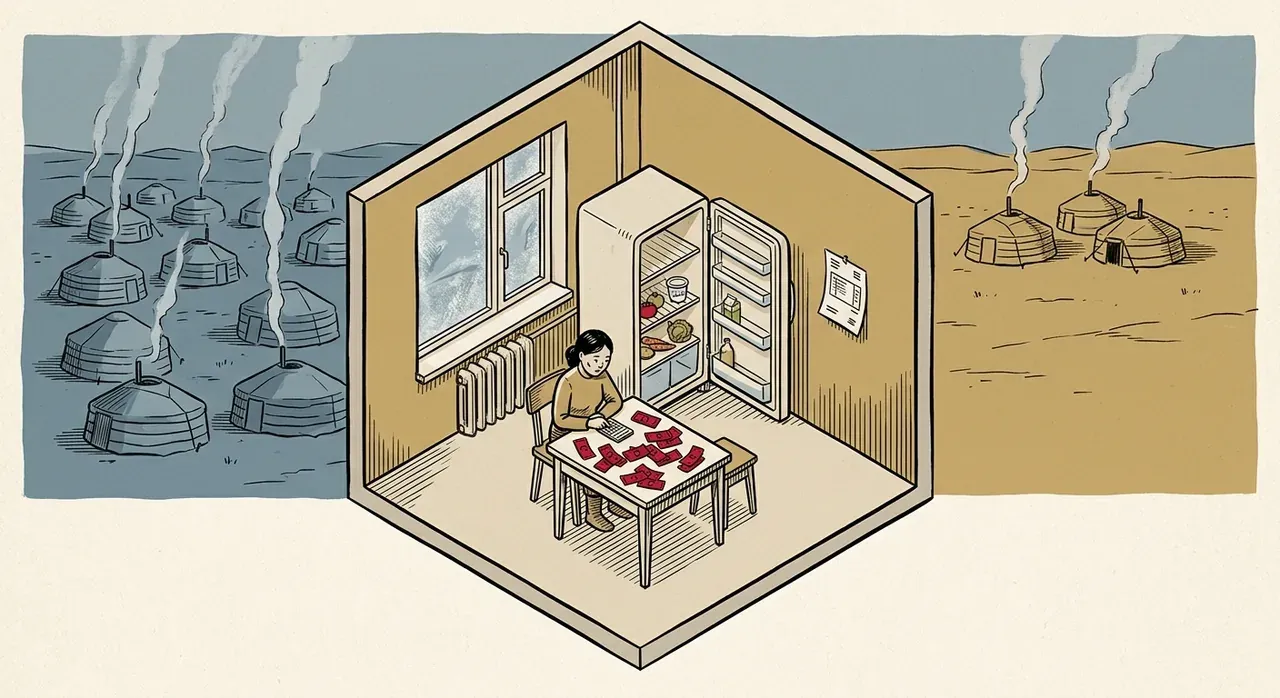
₮792,000 a Month: Can You Survive in Ulaanbaatar?
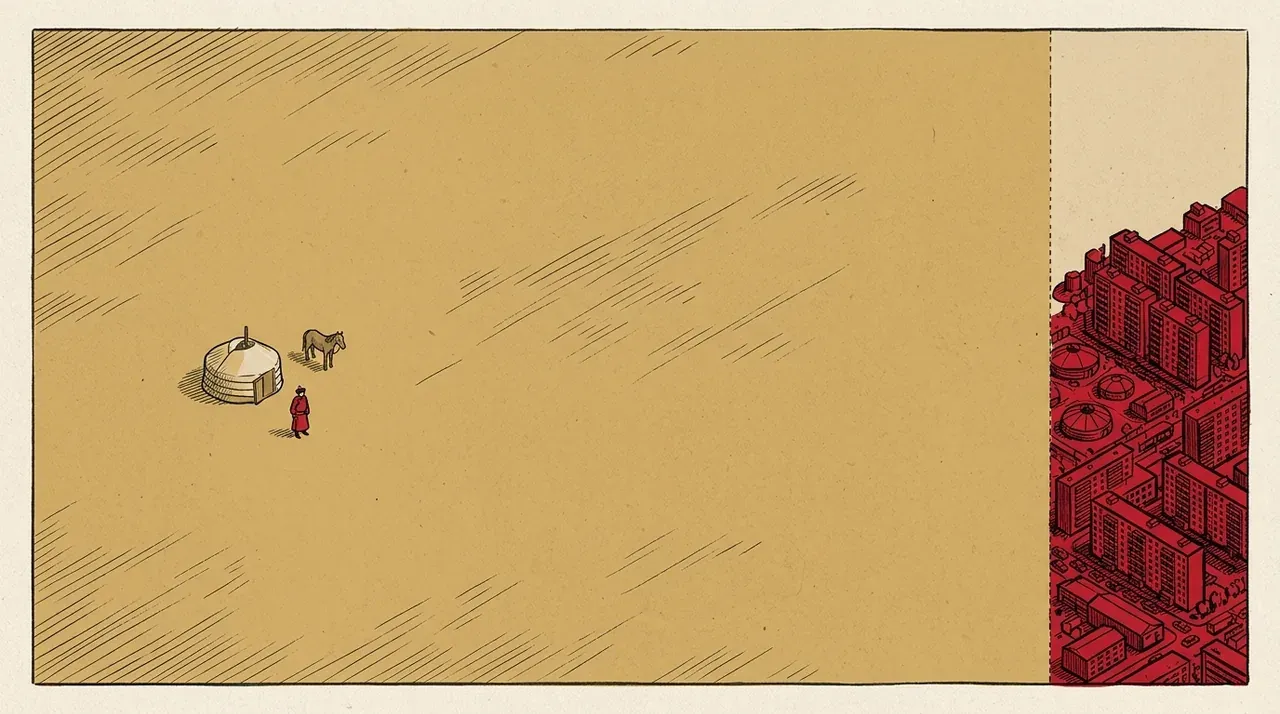
1.54 Million in One City: Mongolia's Population Imbalance
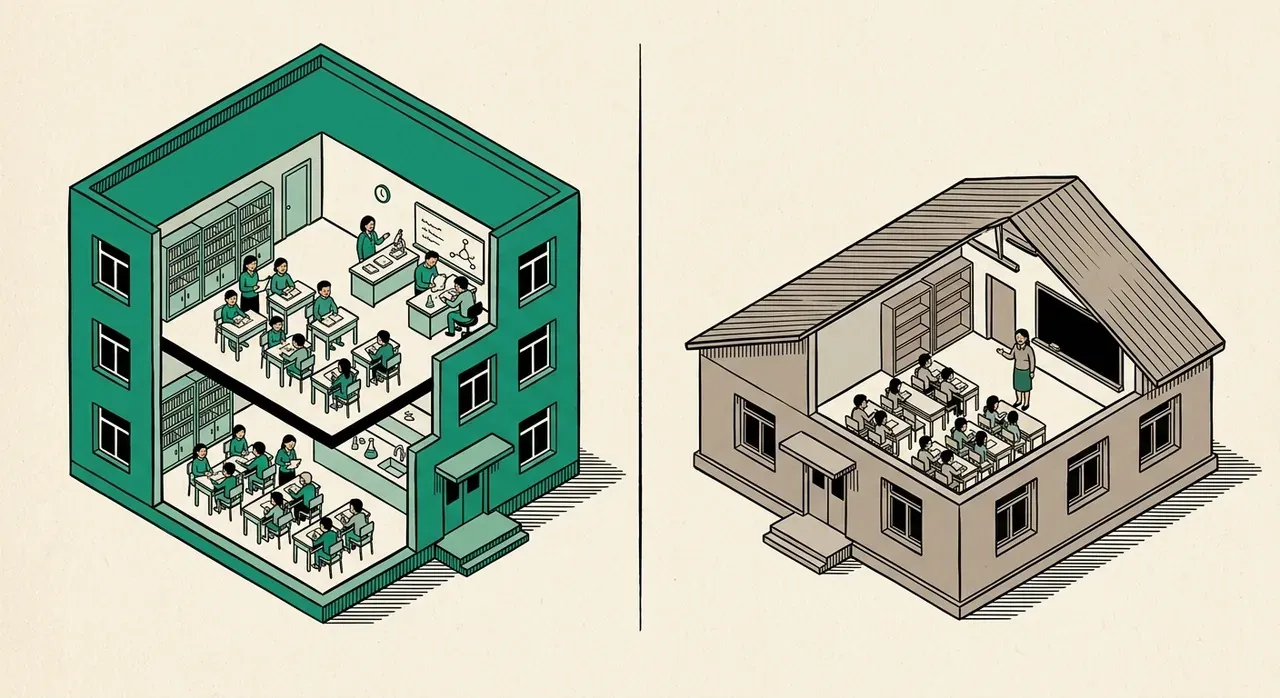
Top Schools vs. Bottom Schools: Mongolia's Education Gap
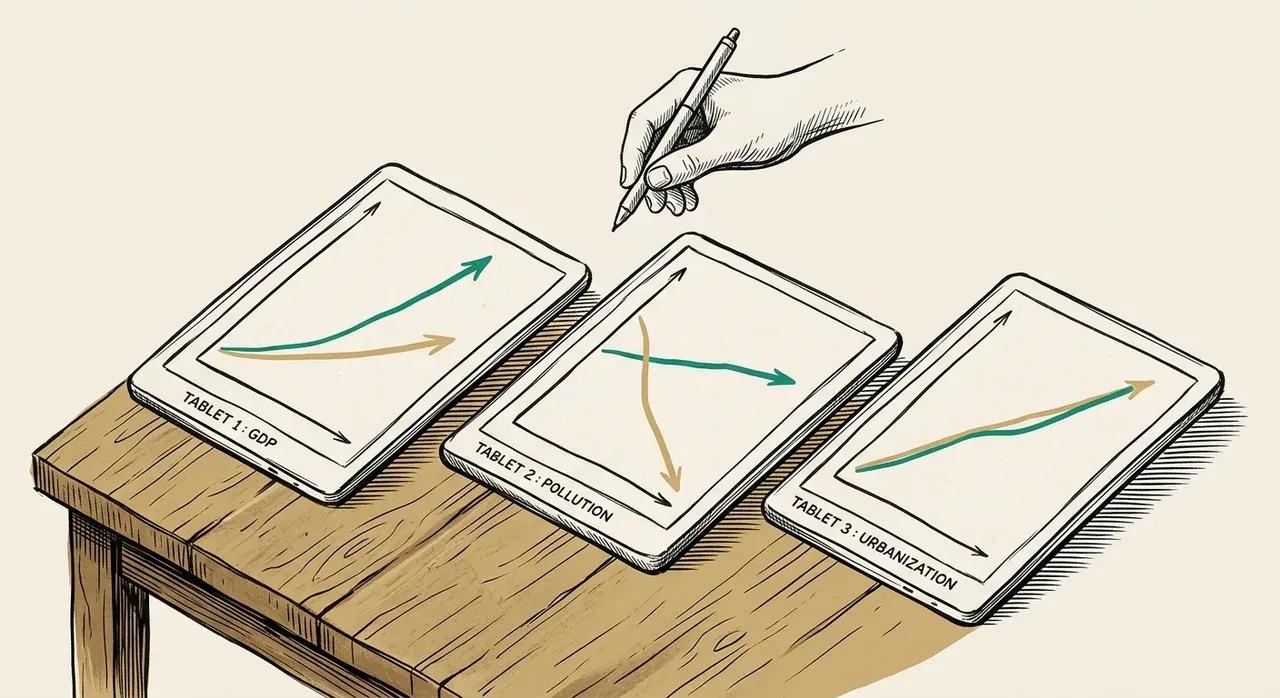
3 Charts, 3 Surprises: You Draw Mongolia's Future — Then See What Actually Happened