Nomad vs. City: Which Life Scores Higher?
Compare the real costs and benefits of nomadic herding versus urban life in Mongolia — five variables, one comparison
Every year, thousands of Mongolian herding families face a version of the same calculation: stay on the steppe, or move to the city? The question is rarely as simple as income versus freedom. Nomadic life offers independence, connection to land, low cash costs — but limited access to healthcare, education, and economic opportunity. Urban life offers services, salaries, and connectivity — but at a cost that often exceeds what those salaries can cover. This tool lets you adjust five key variables and see how they shift the overall advantage for each lifestyle.
Where Nomads Win — and Where Cities Win
Comparing quality-of-life indicators between nomadic herders and urban residents.
Source: NSO — Household Income and Expenditure Survey
The model reveals a truth that both romantics and development economists miss: there is no universal answer to the nomad vs. city question. For a family with 300+ animals, no school-age children, and good health, nomadic life offers more net benefit than urban life by almost any measure. For a family with school-age children, health needs, or fewer than 100 animals after a dzud, the calculation reverses sharply. Mongolia's policy challenge is not to choose one model over the other — it is to improve the weakest points of each. For nomads: healthcare access and education. For urban migrants: affordable housing and meaningful employment.
What this comparison cannot capture is the dimension of meaning. Many Mongolian families who have moved to cities report feeling disoriented — disconnected from a way of life that gave structure, purpose, and identity. The ger district, where former herders live in improvised semi-urban settlements at the edge of Ulaanbaatar, is not quite city and not quite steppe. It preserves some of the forms — the ger tent, the small animal enclosure — while losing the substance: the open pasture, the seasonal movement, the cycle of life that herding creates. For many families, the cost-benefit calculation is not really about money at all.
MORE IN SOCIAL
21 Aimags: Which One Should You Live In?
₮792,000 a Month: Can You Survive in Ulaanbaatar?
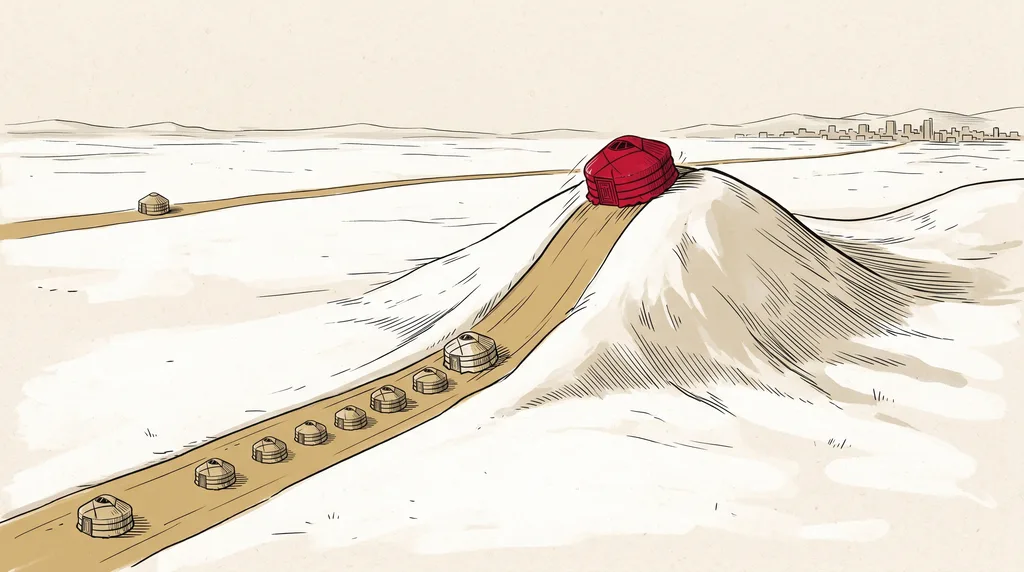
980,000 Cases: How Mongolia's Covid Compared
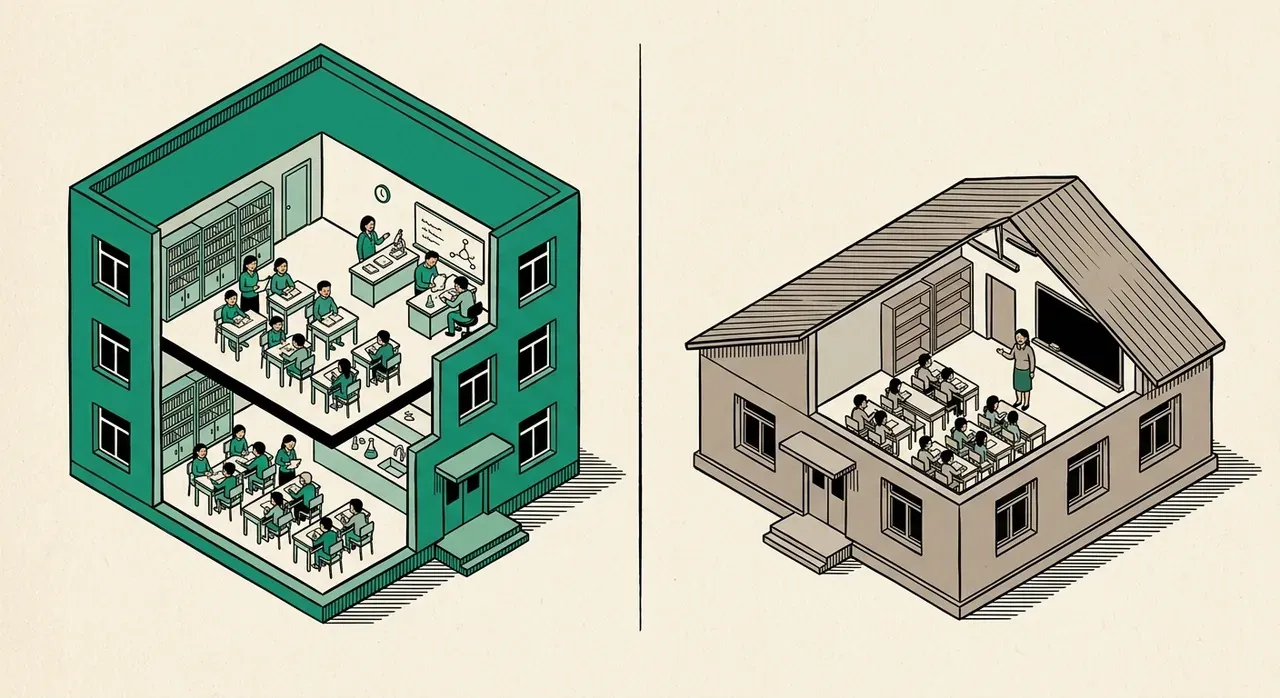
Top Schools vs. Bottom Schools: Mongolia's Education Gap
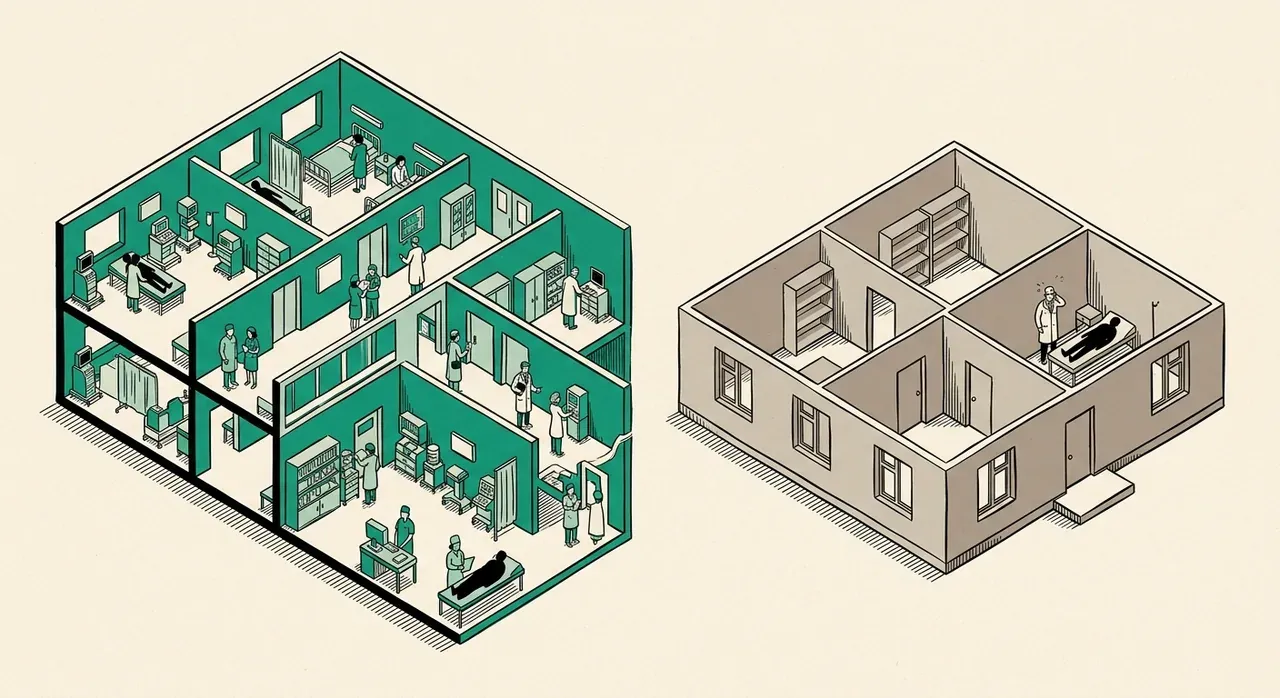
Which Hospital Should You Choose? Mongolia's Medical Data