Interactive Tool
Should You Rent or Buy in Ulaanbaatar?
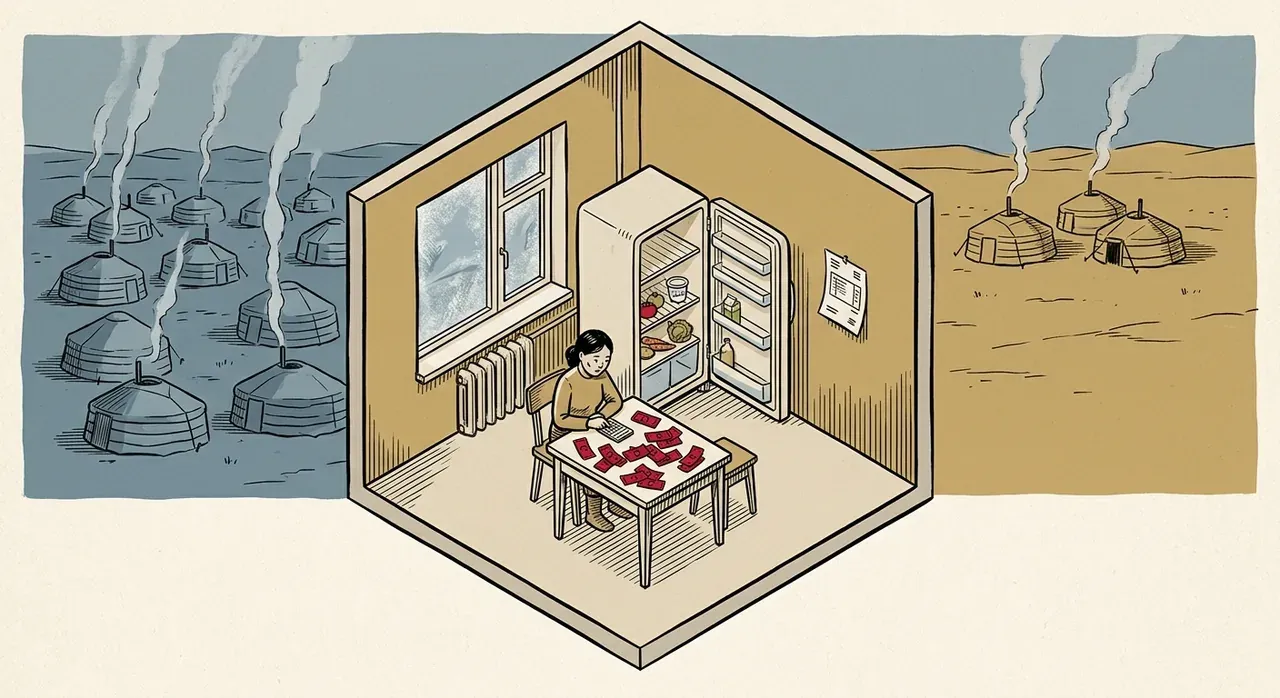
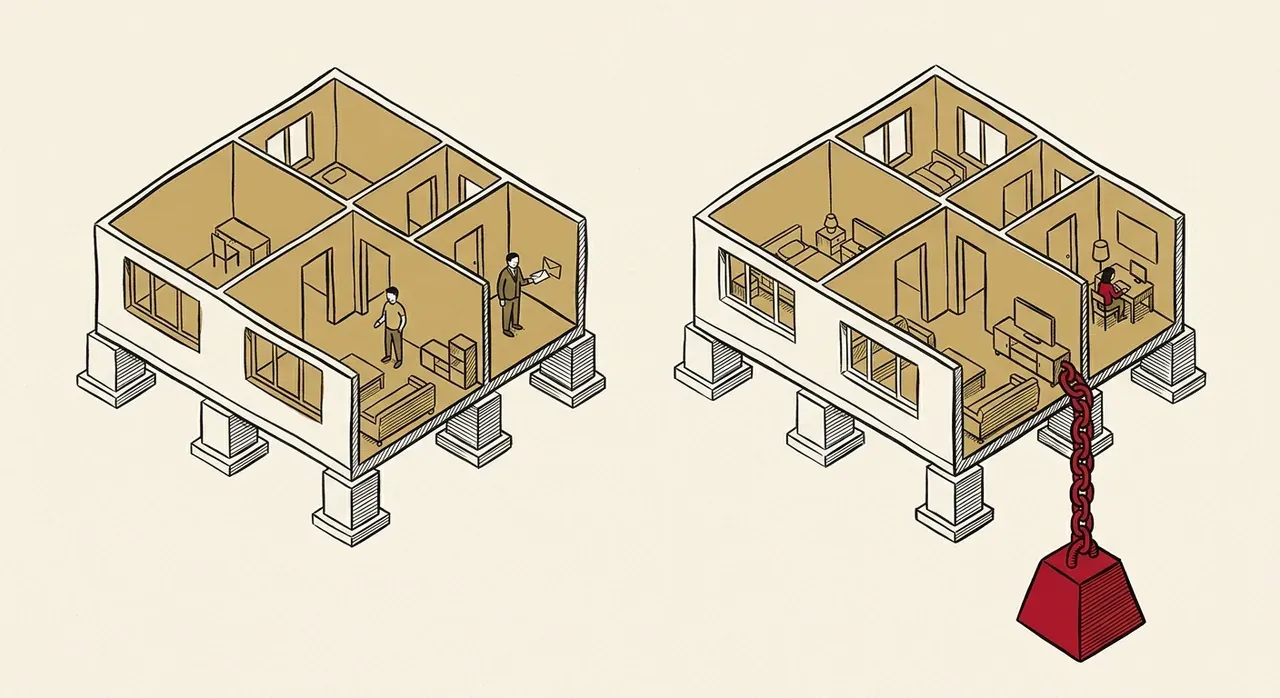
Mongolia's housing market operates in a world of extremes. Apartment prices in Ulaanbaatar have surged 80% since 2018, reaching ₮5,030,000 per square meter for new builds — meaning a 50sqm one-bedroom costs ₮250 million. Commercial mortgage rates sit at 17% — among the highest in Asia. But the government's subsidized program offers 6%, creating a two-tier market where access to cheap credit determines whether buying is genius or financial suicide.
The calculator reveals a hidden truth about Mongolian housing: at commercial rates (17%), buying almost never makes financial sense for stays under 15 years. But at the subsidized 6% rate, the breakeven point drops to 5-7 years — making homeownership viable for young families who can access the program. The gap between these two realities is the gap between Mongolia's housing haves and have-nots.
Apartment Prices Surged 80% Since 2018
Average apartment price per m² in Ulaanbaatar, 2018–2025.
Source: Xinhua; Global Property Guide
Mortgage rates
Annual mortgage interest rates across lenders, 2025.
Source: Bank of Mongolia; Global Property Guide
Monthly rent trend
Average monthly rent for a 1-bedroom apartment in central UB.
Source: Numbeo — UB Property Prices
For a generation of Mongolians, the rent-vs-buy decision is not really a choice at all. Without access to subsidized mortgage programs, the math points overwhelmingly to renting — or to the traditional alternative that no Western housing calculator accounts for: the ger. At ₮15-30 million for a ger and plot in the city outskirts, it remains the only path to 'ownership' for many families. But that path comes with its own costs: no central heating, longer commutes, and the air pollution that defines Ulaanbaatar's winters.
MORE IN ECONOMY
Where Does Mongolia's Government Spend? Every Line Item
Mongolia's Two Debt Numbers: $10.5B Government, $37.1B Total
₮3.2 Trillion: Who Owns Mongolia's Biggest Companies?
Mutton Costs 45% More in Winter: Plan Your Meat Budget
Mongolia's Economy Has Doubled in Nine Years. Mining Still Drives a Quarter of It.