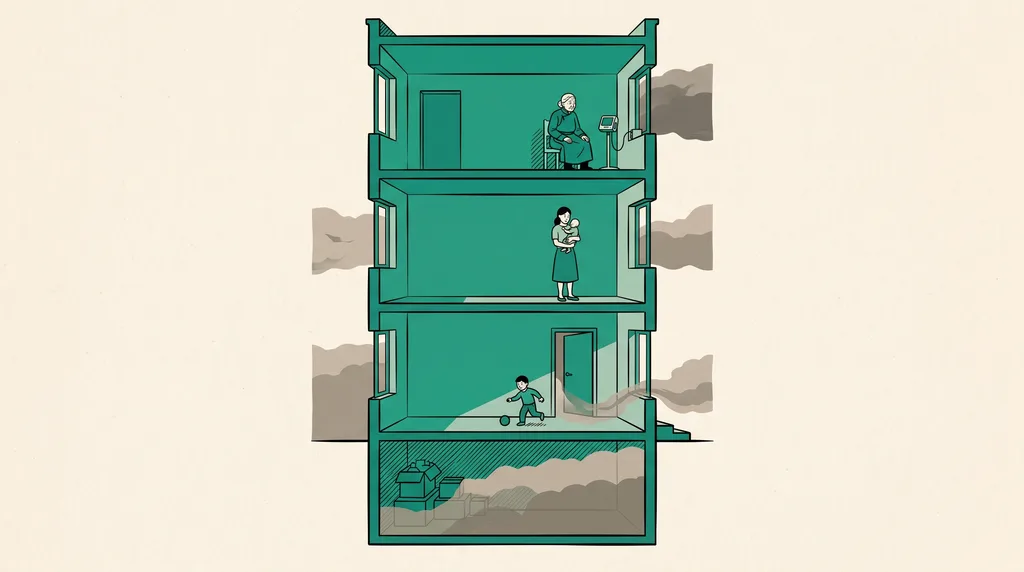
Personal Risk Estimator
76x the Safe Limit: What UB's Air Does to Your Body
Every winter, Ulaanbaatar becomes one of the most polluted cities on Earth. In the ger districts, where nearly 60% of the capital's residents burn coal and wood for heating, PM2.5 levels routinely exceed WHO guidelines by 25 times on a city-wide average — and up to 76 times in ger district winter peaks. This isn't an abstract environmental statistic — it's a personal health emergency. This estimator calculates your individual risk based on where you live, how much time you spend outdoors, and your health profile.
The data is stark: Mongolians lose an average of 3.8 years of life expectancy to air pollution — more than residents of India, China, or Indonesia. For ger district residents, the figure is likely higher. Children under 5 and adults over 65 face the greatest risk, with pollution exposure linked to pneumonia, chronic respiratory disease, stroke, and lung cancer.
Monthly PM2.5
Monthly PM2.5 concentration in UB ger districts vs city center. Winter peaks exceed WHO limits 40×.
Source: Air Quality Life Index (AQLI); WHO
Life years lost to air pollution
Average life years lost per person due to air pollution, by country.
Source: AQLI; UNICEF Mongolia
The solutions are known: clean heating alternatives, improved insulation in ger districts, electric stoves, and expanded central heating networks. But implementation has been slow, blocked by cost, infrastructure limitations, and the sheer scale of the problem. Until the air clears, every Ulaanbaatar resident is paying a health tax — measured not in tugrik, but in years of life.
MORE IN ENVIRONMENT
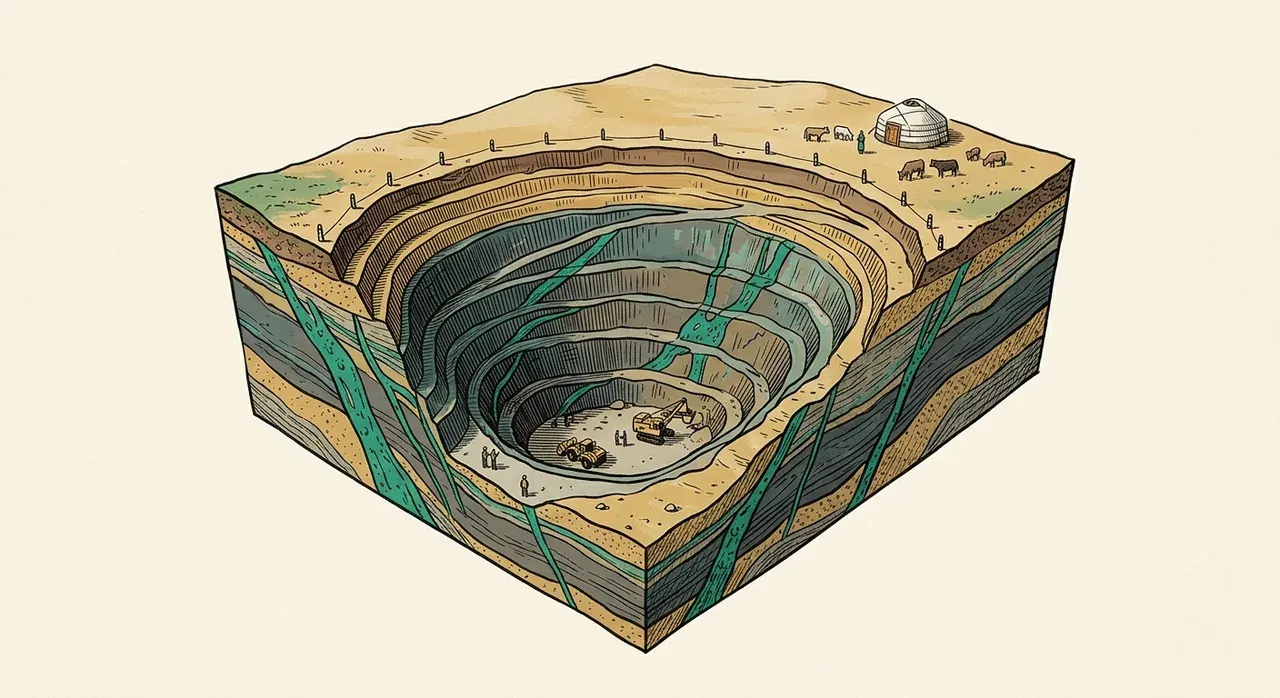
25,200 Hectares: Inside Mongolia's Mining Permits
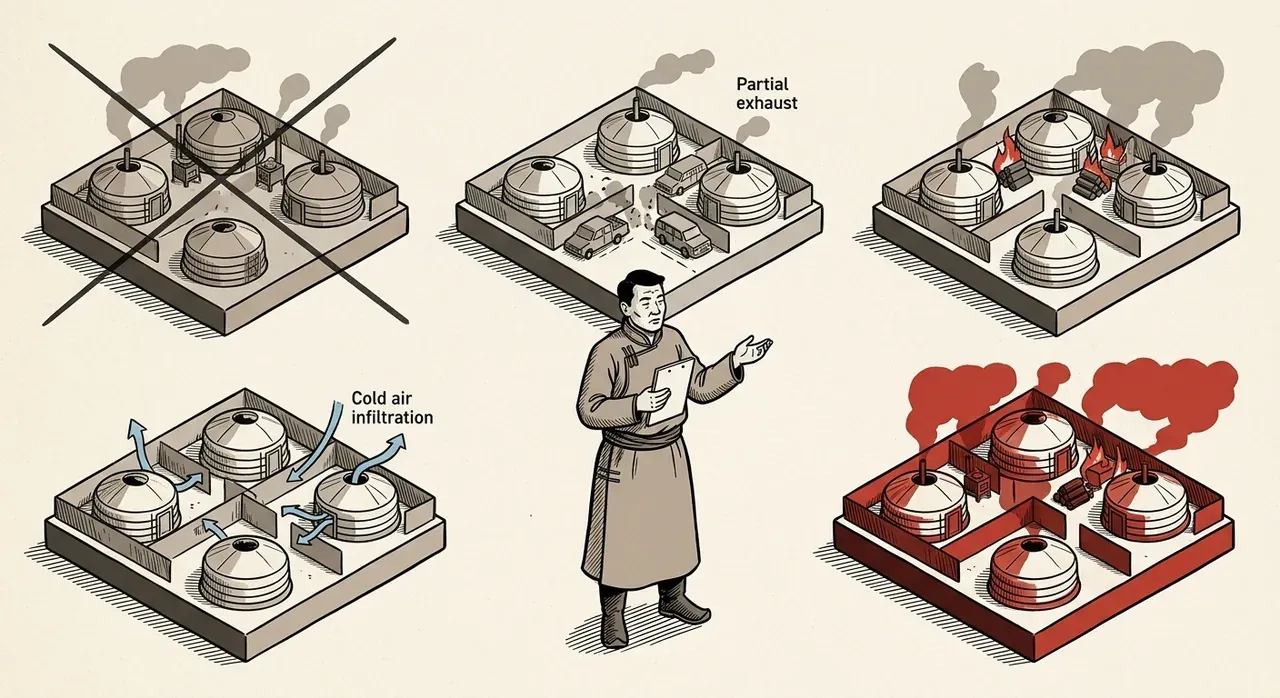
Coal Ban Cut Pollution in Half — So Why Is Ulaanbaatar's Air Still Deadly?
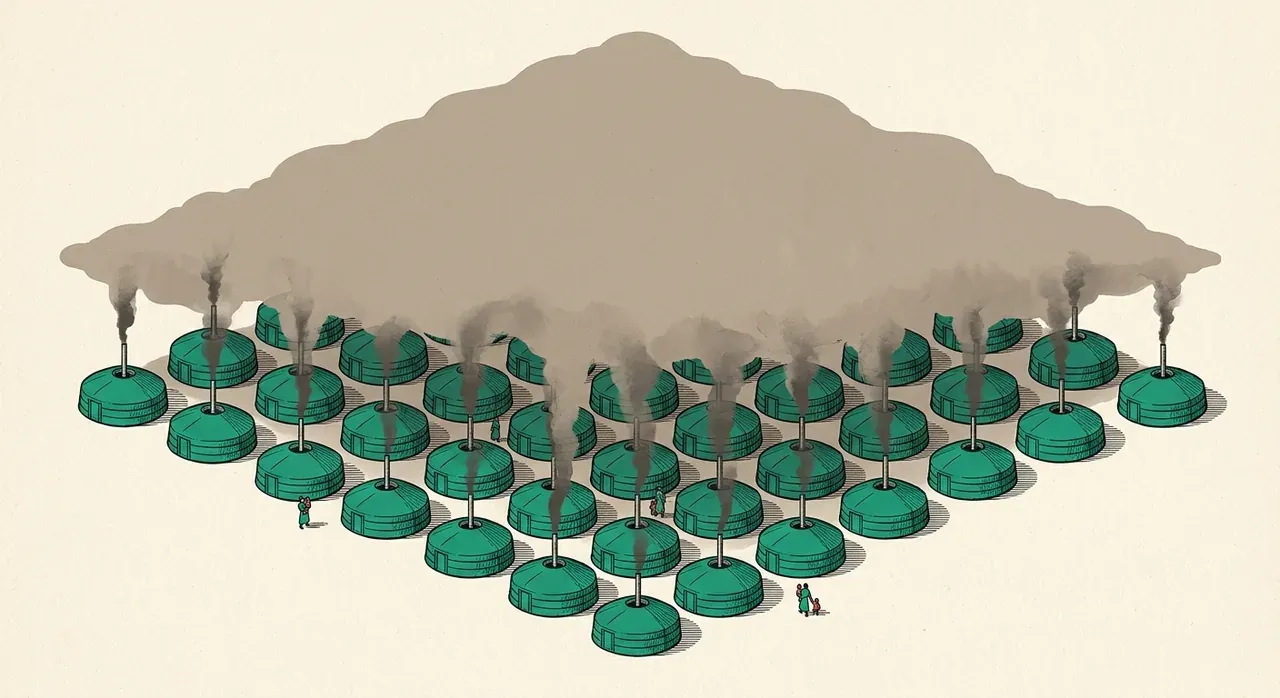
4,000 Lives a Year: Mongolia's Air Pollution Deaths
73% Pasture: How Mongolia Uses Its 156 Million Hectares
680 µg/m³: The Deadliest Air in Ulaanbaatar's Ger Districts