You Draw It
3 Charts, 3 Surprises: You Draw It
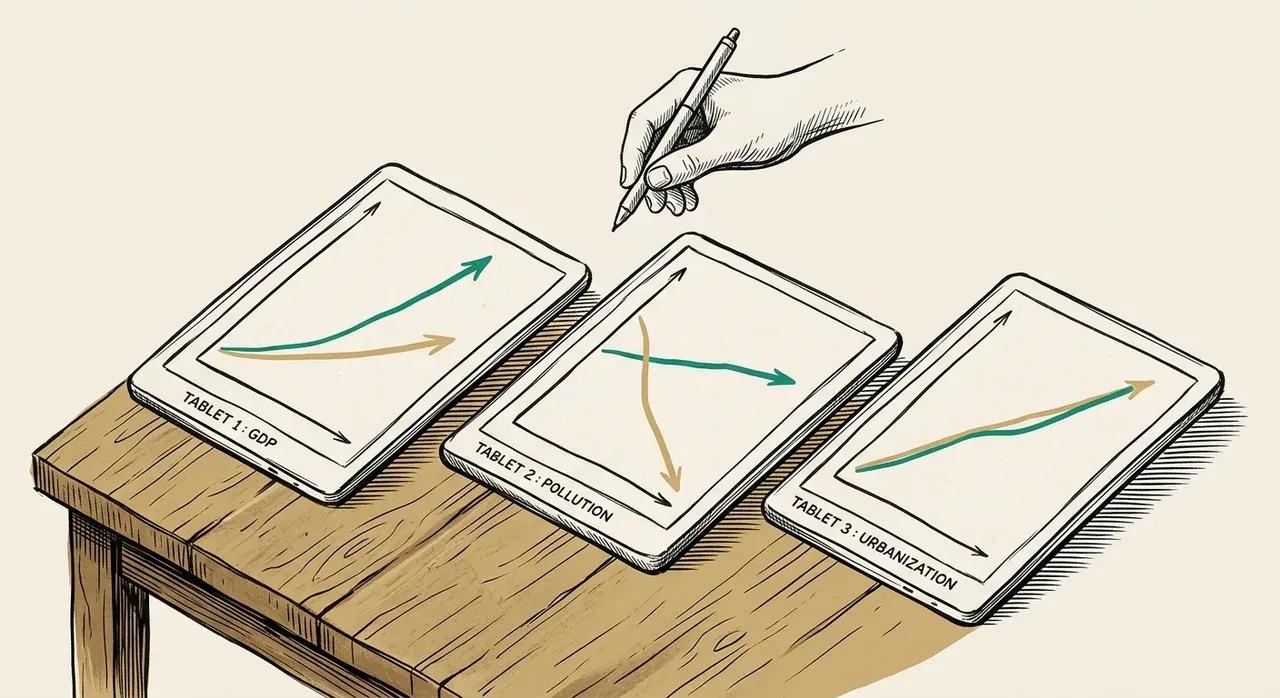
Mongolia has changed dramatically in the last two decades. Mining wealth, urbanization, and globalization have reshaped the country in ways that often defy intuition. We'll show you three trends — but only the first half of each. Your job: draw what you think happened next. Most people get it wrong.
1. The Education Paradox
Mongolia's GDP per capita quadrupled from $1,500 to over $6,000 between 2005 and 2024. With all that new wealth, surely the country invested more in education — right? We show you the data through 2017. Draw what you think happened after.
The answer surprises most people: education spending as a share of GDP actually fell — from 5.1% in 2011 to just 2.8% in 2024. In absolute terms, spending grew. But as a proportion of the country's wealth, education was steadily deprioritized. The mining boom made Mongolia richer, but not more educated.
Education spending as % of GDP
Government education spending as % of GDP, 2005–2023. Draw your guess before the reveal.
Source: World Bank Education Data; NSO Mongolia
2. The Poverty Puzzle
Mongolia's mining boom sent GDP soaring. Politicians declared victory over poverty. But did poverty actually fall steadily? We show you the trend through 2015. Draw what happened next.
Poverty fell from 36% to 21% between 2005 and 2015 — an impressive decline. But then it reversed. By 2024, poverty had risen back to 32%. The mining wealth concentrated in Ulaanbaatar and among connected elites. Herders, informal workers, and ger district residents saw little benefit. Mongolia's GDP grew, but the growth didn't reach everyone.
3. The Urbanization Shock
Mongolia is the most sparsely populated country on Earth. Endless steppe, nomadic tradition, vast empty spaces. But something extraordinary has been happening to where Mongolians actually live. We show you through 2013. Draw what happened next.
Two out of three Mongolians now live in a single city. Ulaanbaatar's share of the national population has grown from 25% in 2005 to 67% in 2024 — one of the fastest urbanization rates in the world. A country defined by its vast open spaces is becoming a country defined by one crowded, polluted capital. The steppe is emptying. The city is bursting.
Three charts, three surprises. Education spending fell as wealth grew. Poverty reversed despite GDP growth. And a nomadic nation became one of the most urbanized in Asia — all in twenty years. The data doesn't lie, but our assumptions often do. That's why we draw first and look second.
MORE IN SOCIAL
Nomad vs. City: Which Life Scores Higher?
Which Hospital Should You Choose? Mongolia's Medical Data
1.54 Million in One City: Mongolia's Population Imbalance
380 µg/m³ in January: How Coal Smoke Reaches Your Lungs
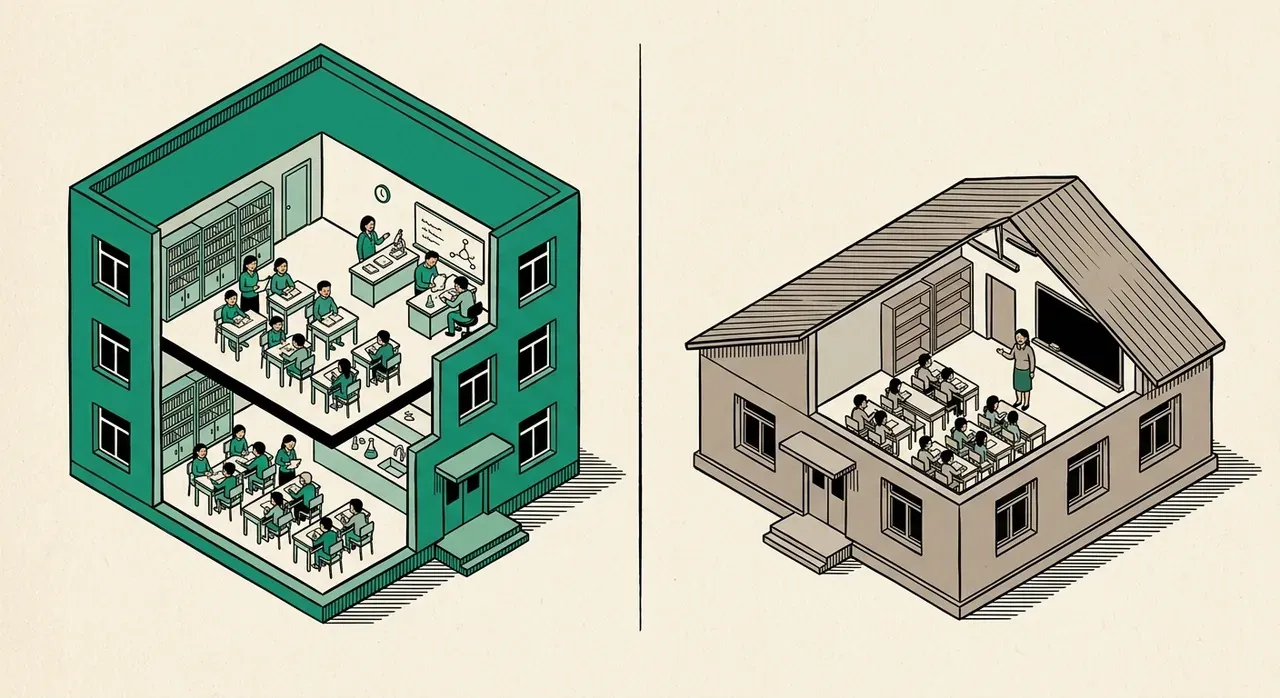
Top Schools vs. Bottom Schools: Mongolia's Education Gap