Visual Explainer
What's Really Killing Ulaanbaatar's Air?
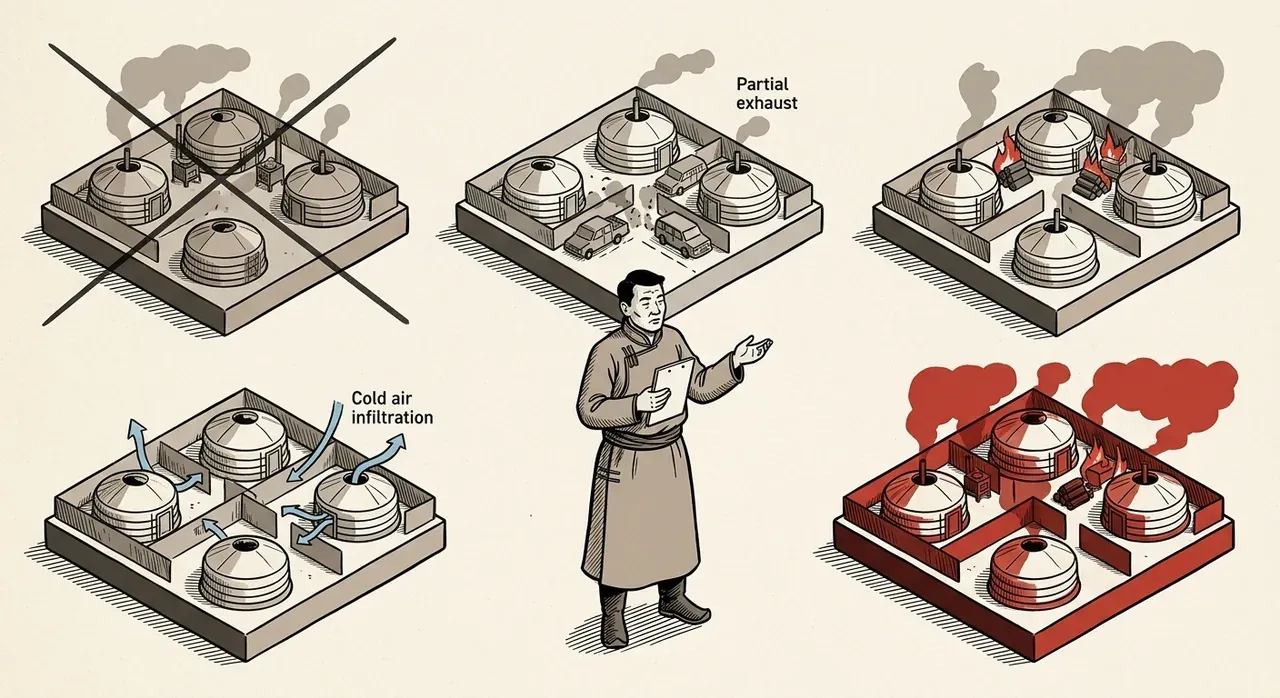
Ulaanbaatar is the most polluted capital city in the world. In winter, PM2.5 levels routinely exceed WHO safe limits by 20 to 30 times. Residents breathe air so toxic that children develop chronic respiratory disease before they start school. But what is actually driving the pollution? Traffic? Factories? Weather? Population growth? Everyone has a theory. We tested each one against the data — and eliminated them one by one until only one answer remained.
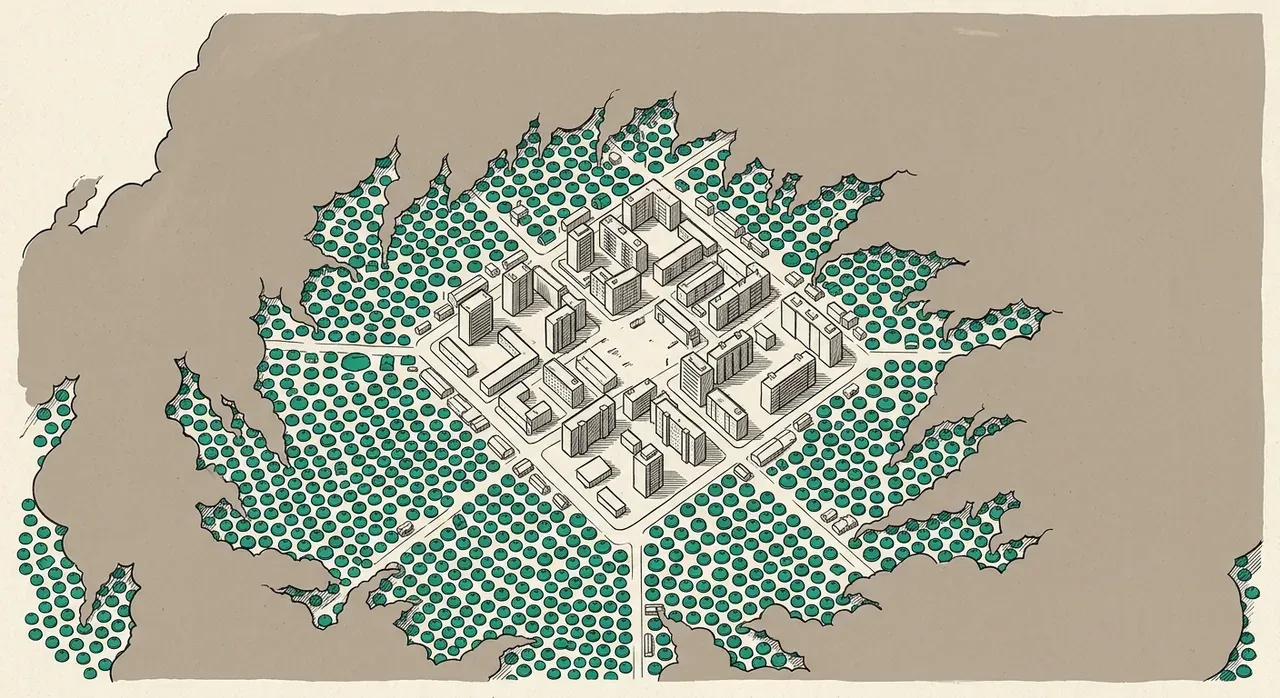
The answer is coal. Specifically, raw coal burned in simple stoves across the ger districts that ring Ulaanbaatar. Nearly 200,000 households burn coal for heating from October to April — the exact months when PM2.5 spikes. When coal consumption dropped during COVID lockdowns in 2020, PM2.5 dropped too. When it climbed back, so did pollution. No other factor tracks the pollution curve this precisely. Traffic grows year-round. Factories run year-round. Population grows steadily. Only coal consumption mirrors the seasonal, year-to-year pattern of Ulaanbaatar's air crisis.
Winter PM2.5 trend
Winter average PM2.5 in Ulaanbaatar, 2010–2024. Still 10× above WHO safe limits.
Source: UNICEF Mongolia; National Agency for Meteorology
Vehicle count trend
Registered vehicles in Ulaanbaatar, thousands. Doubled in a decade.
Source: UNDP Mongolia; Traffic Police Department
MORE IN ENVIRONMENT
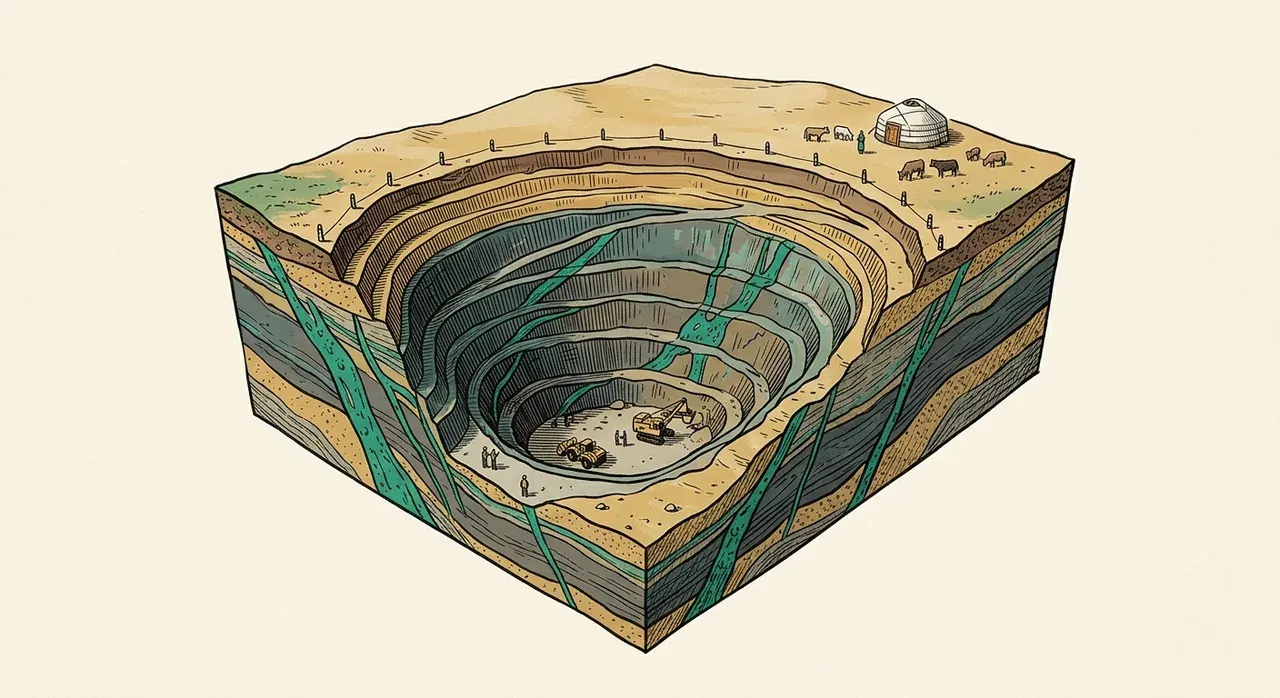
25,200 Hectares: Inside Mongolia's Mining Permits
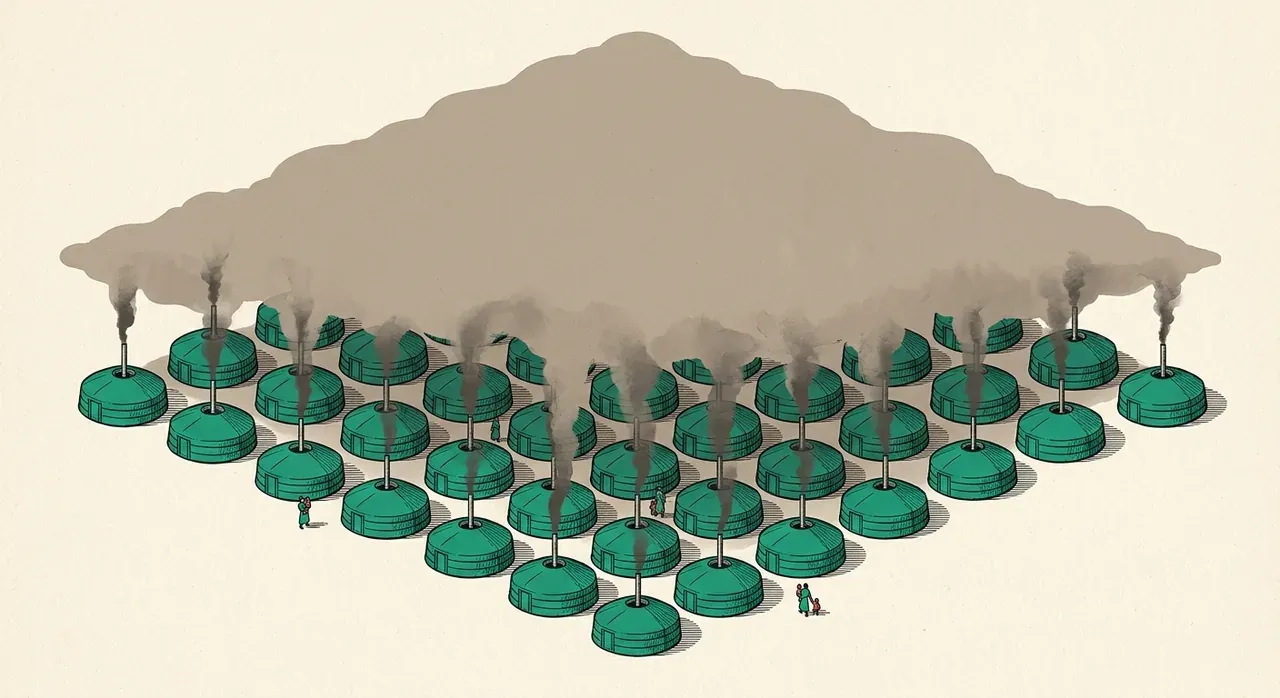
4,000 Lives a Year: Mongolia's Air Pollution Deaths
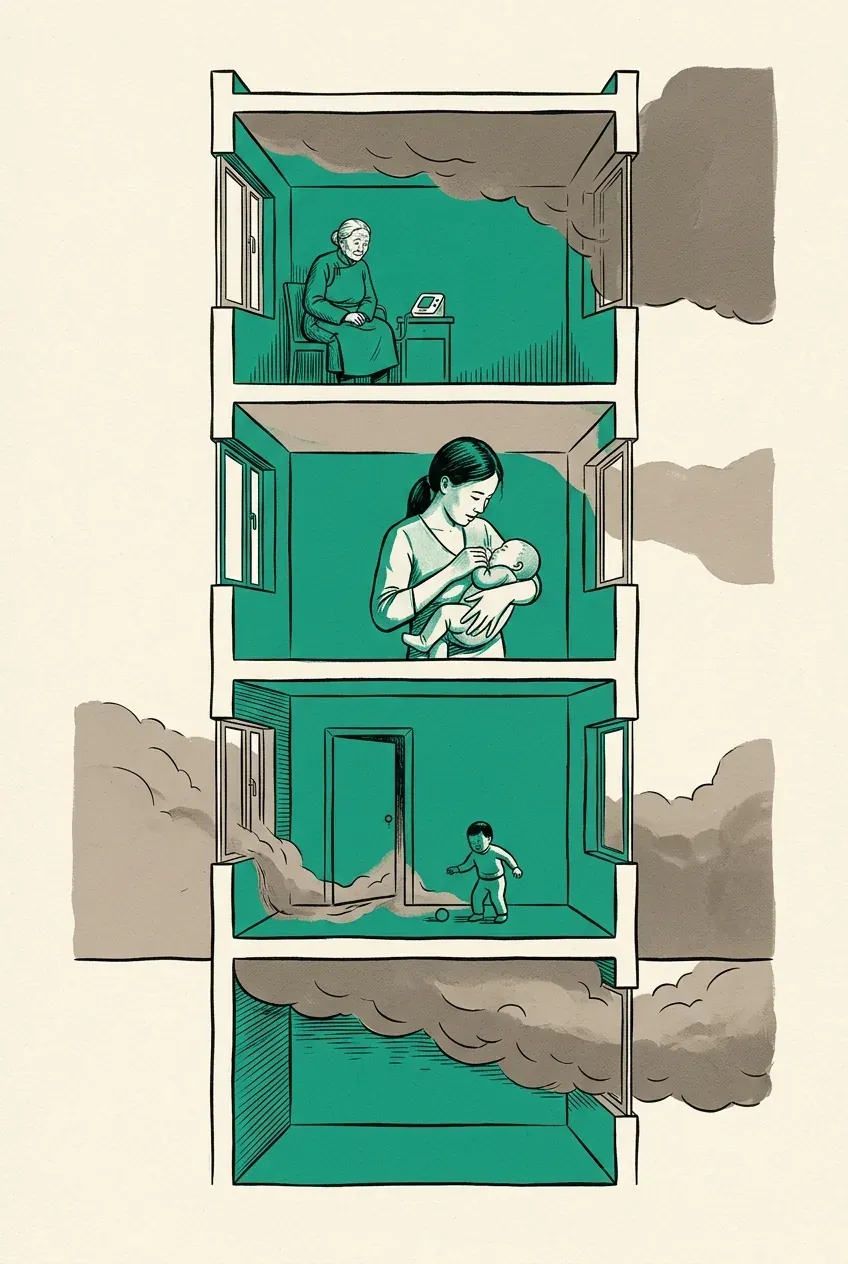
76x the Safe Limit: What UB's Air Does to Your Body
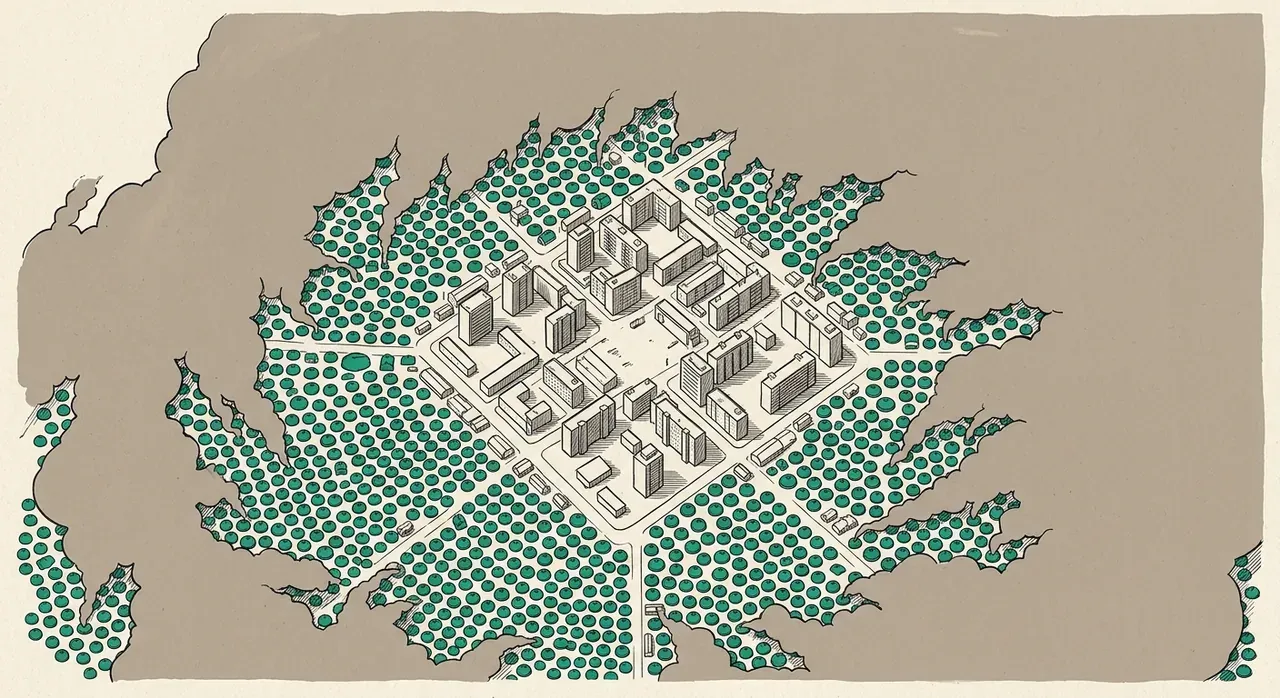
680 µg/m³: The Deadliest Air in Ulaanbaatar's Ger Districts
73% Pasture: How Mongolia Uses Its 156 Million Hectares