Investigation
25,200 Hectares: Inside Mongolia's Mining Permits
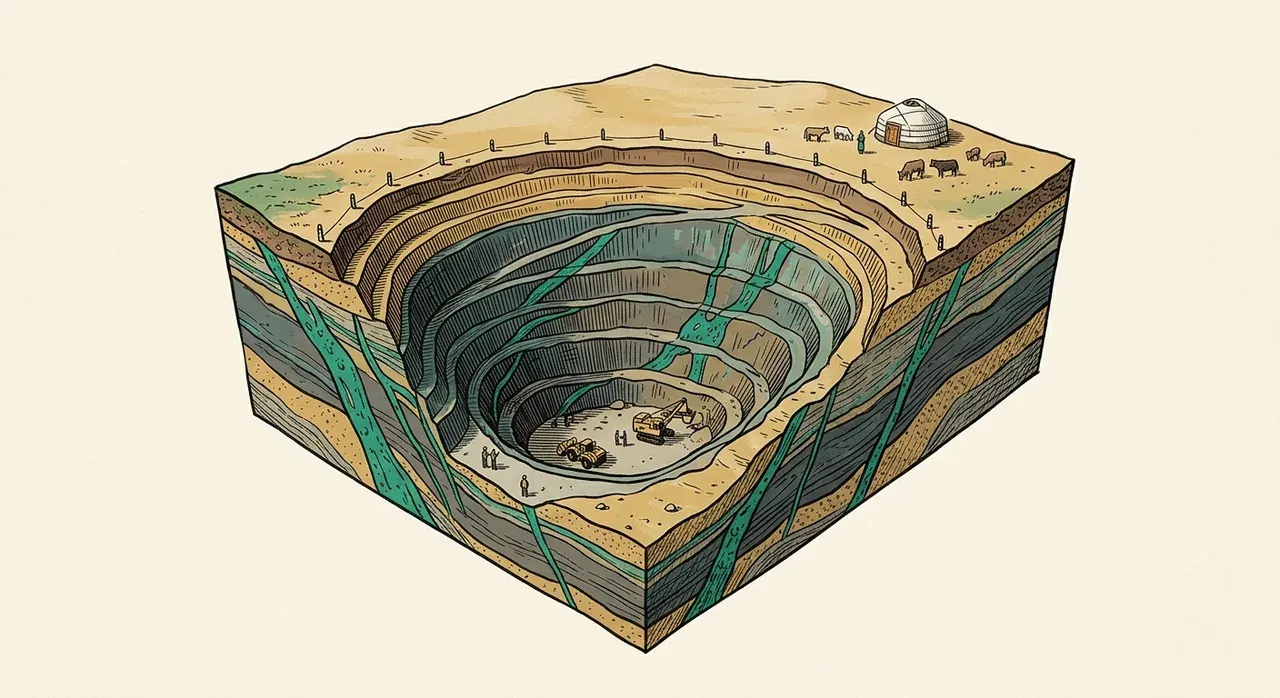
Mongolia has issued thousands of mining permits over the past two decades, covering millions of hectares. Some are actively mined. Others sit dormant — held by speculators waiting for commodity prices to rise. A growing number have been suspended amid environmental protests and water-rights disputes. This database tracks every significant active permit: the mineral, the company, the province, and the land area claimed.
Mining permit areas by aimag (hectares)
Active mining permit area by aimag, hectares. South Gobi holds the largest share.
Source: Mineral Resources and Petroleum Authority of Mongolia
The geographic concentration of mining permits tells its own story. The Gobi region — particularly Umnugovi and Dundgovi — accounts for the majority of both coal and copper claims. Gold permits are more widely distributed, stretching into the northern provinces of Selenge and Tuv. The environmental implications are significant: water-intensive gold mining in the north threatens river systems that support both agriculture and downstream herding communities.
MORE IN ENVIRONMENT
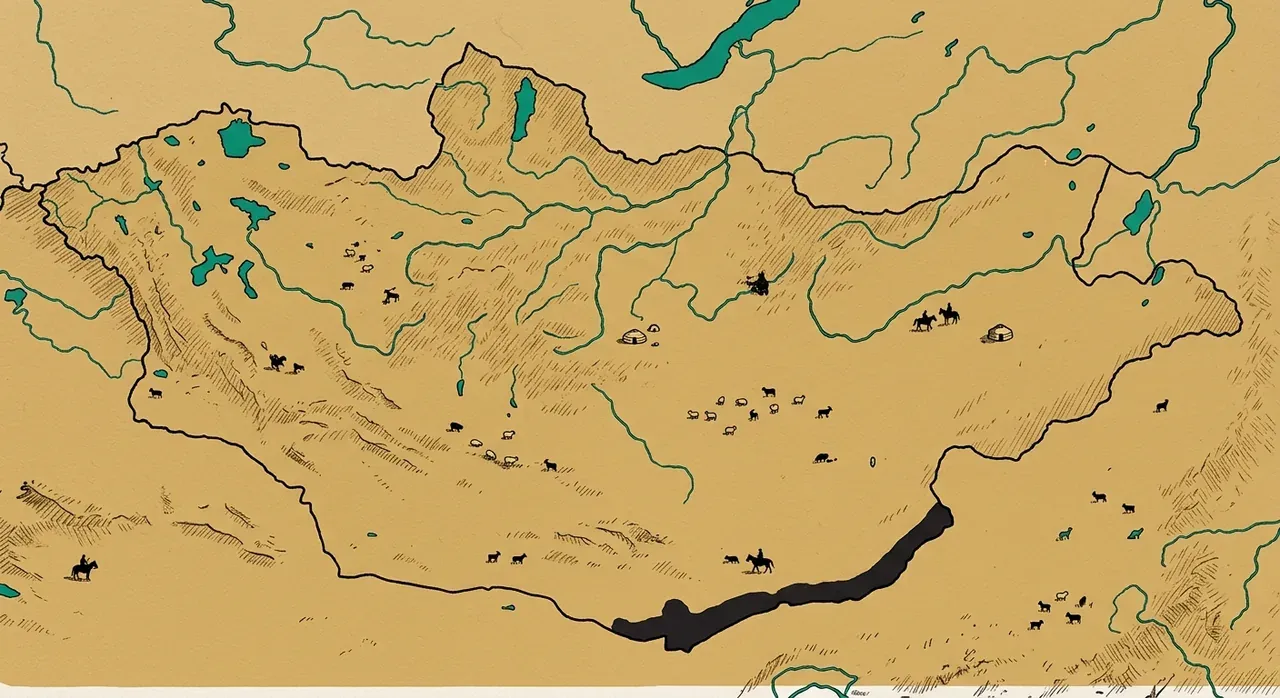
73% Pasture: How Mongolia Uses Its 156 Million Hectares
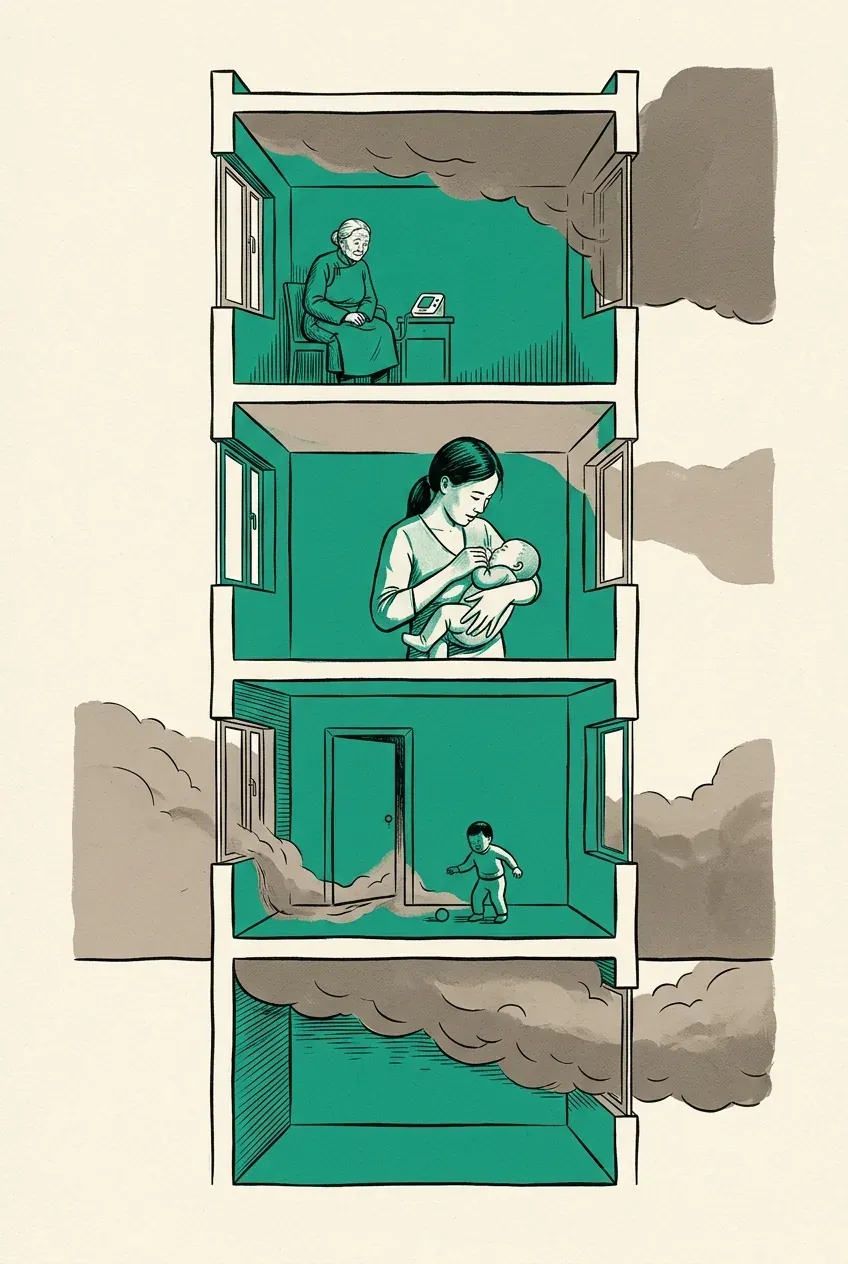
76x the Safe Limit: What UB's Air Does to Your Body
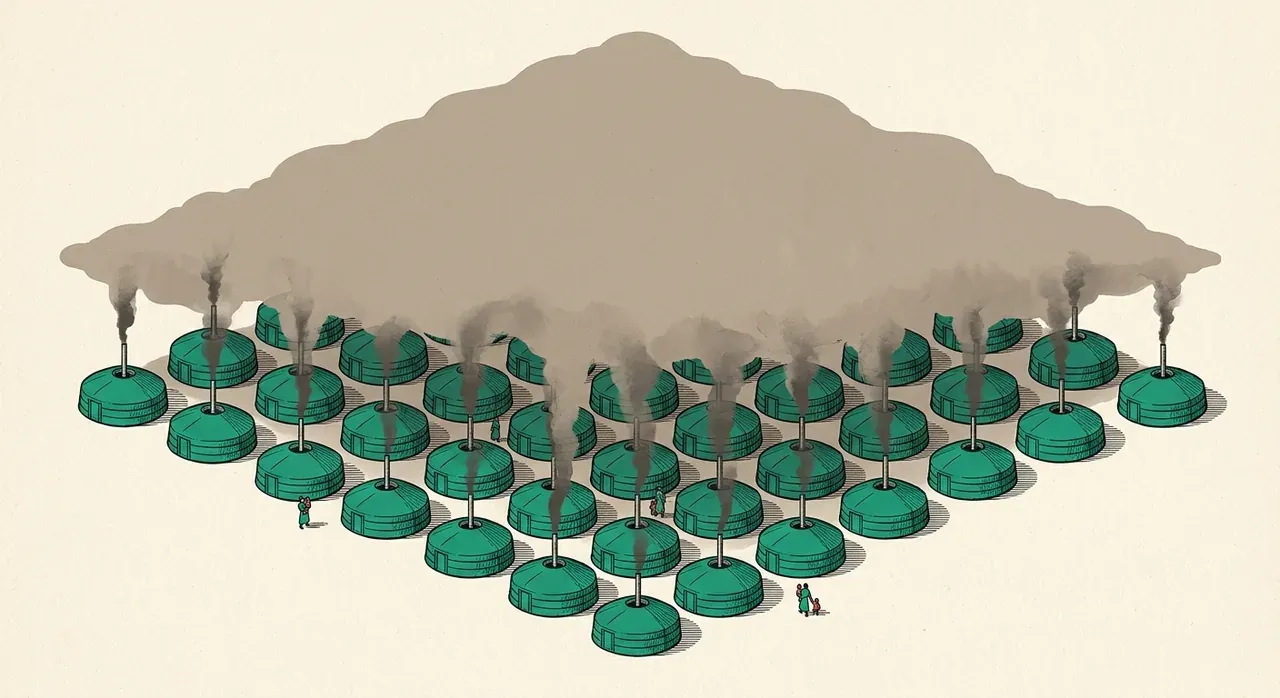
4,000 Lives a Year: Mongolia's Air Pollution Deaths
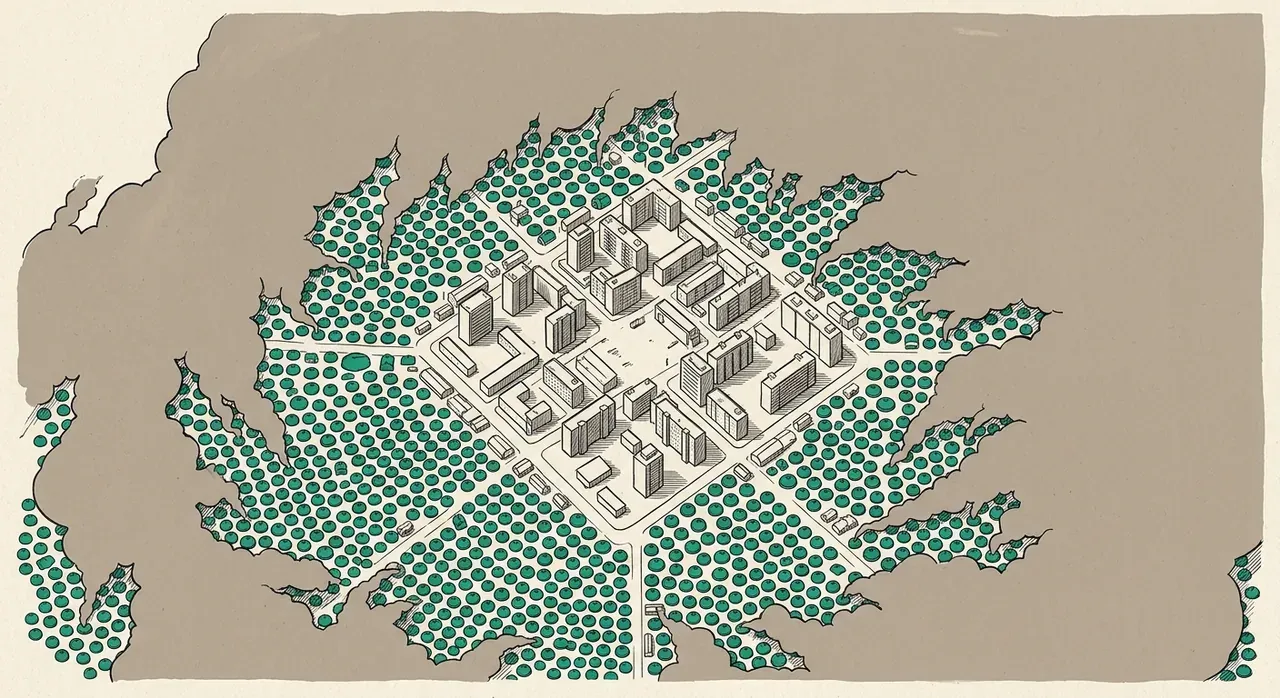
680 µg/m³: The Deadliest Air in Ulaanbaatar's Ger Districts
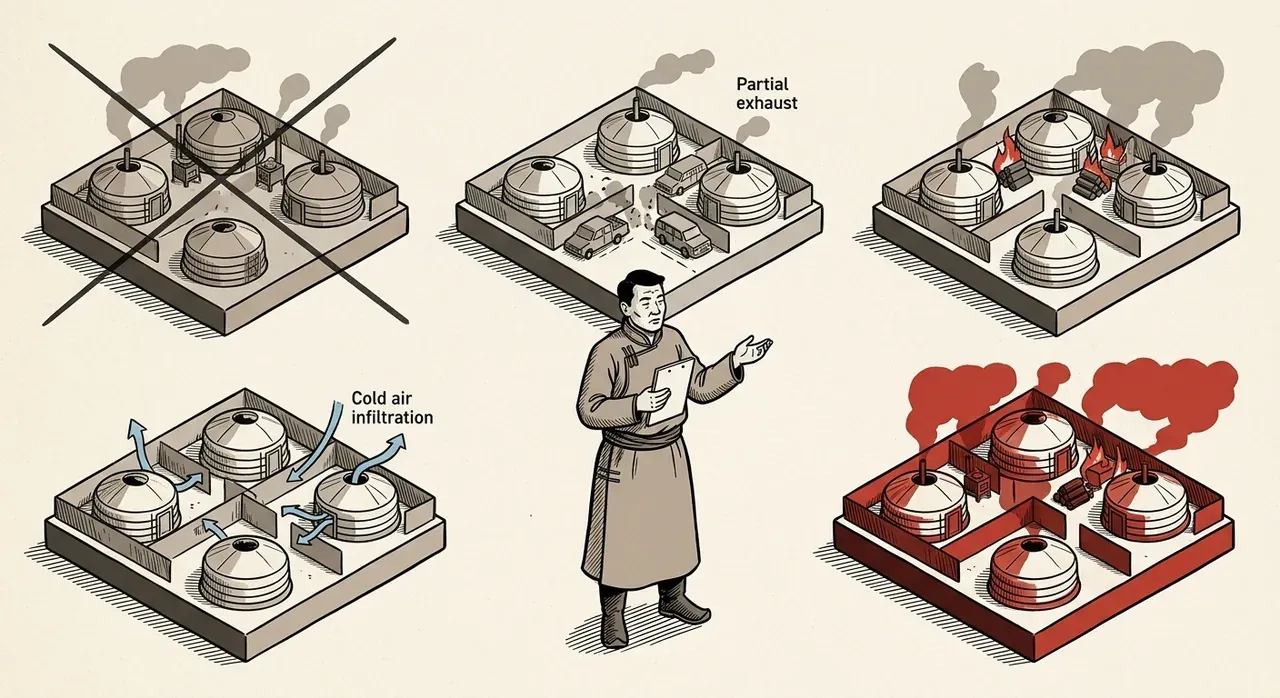
Coal Ban Cut Pollution in Half — So Why Is Ulaanbaatar's Air Still Deadly?