Visual Explainer
How Mongolia Uses Its Land
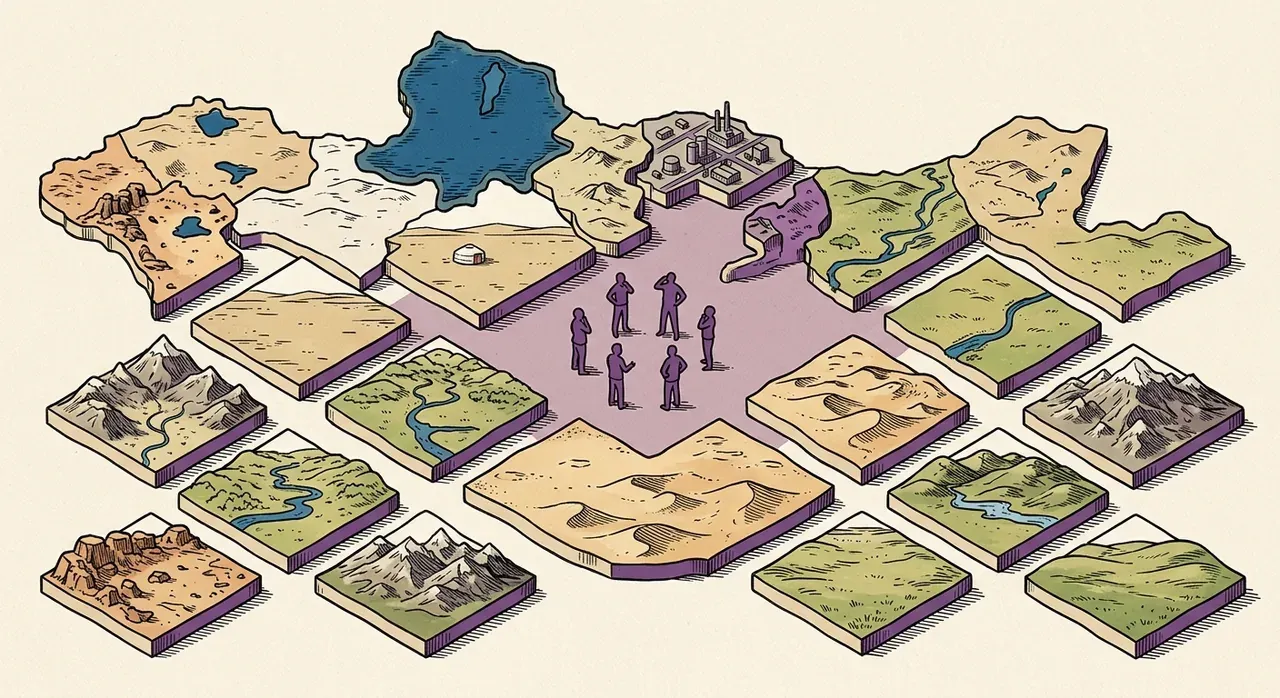
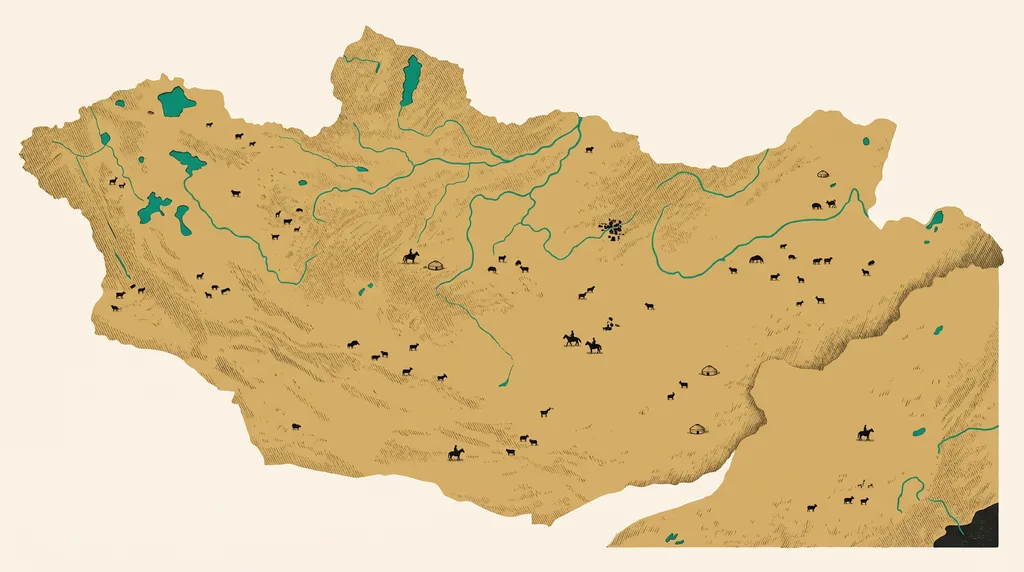
Mongolia is the 18th largest country in the world — 1.56 million square kilometers of steppe, desert, forest, and mountain. Yet only 3.4 million people live here, making it the most sparsely populated sovereign nation on Earth. How is all that land actually used? The answer reveals a country defined by pastoralism, shaped by geography, and increasingly pressured by climate change and urbanization.
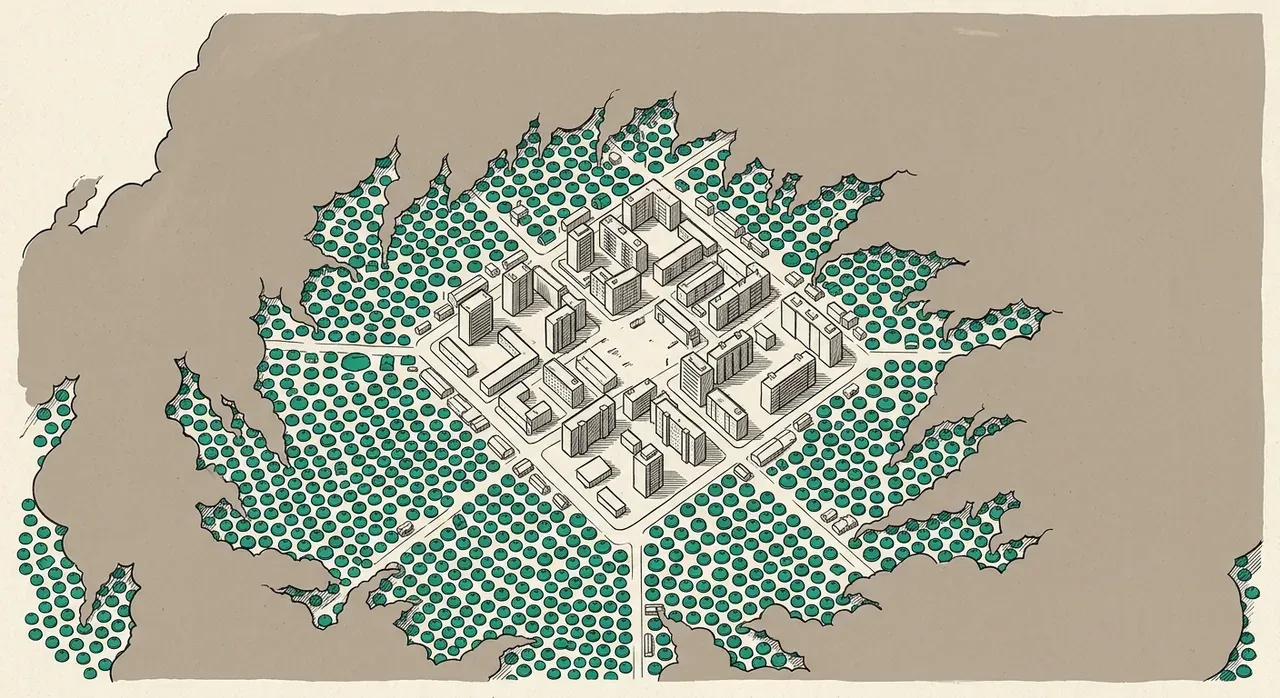
Mongolia's land tells a story of extremes. A territory larger than France, Germany, and Spain combined — yet 67% of its people live in urban areas, with Ulaanbaatar alone holding 45% — in a city that occupies just 0.3% of the land. Meanwhile, 70 million livestock roam the remaining 99.7%, sustained by a pastoral tradition thousands of years old.
Pasture Dominates — 73 of Every 100 Hectares Is Grassland
Share of Mongolia's land area by use category. Pasture dominates at 73%.
Source: National Statistics Office of Mongolia
27 Million Goats Lead Mongolia's Livestock
Total livestock by type, millions. Goats outnumber all other animals.
Source: NSO Mongolia; Ministry of Food and Agriculture
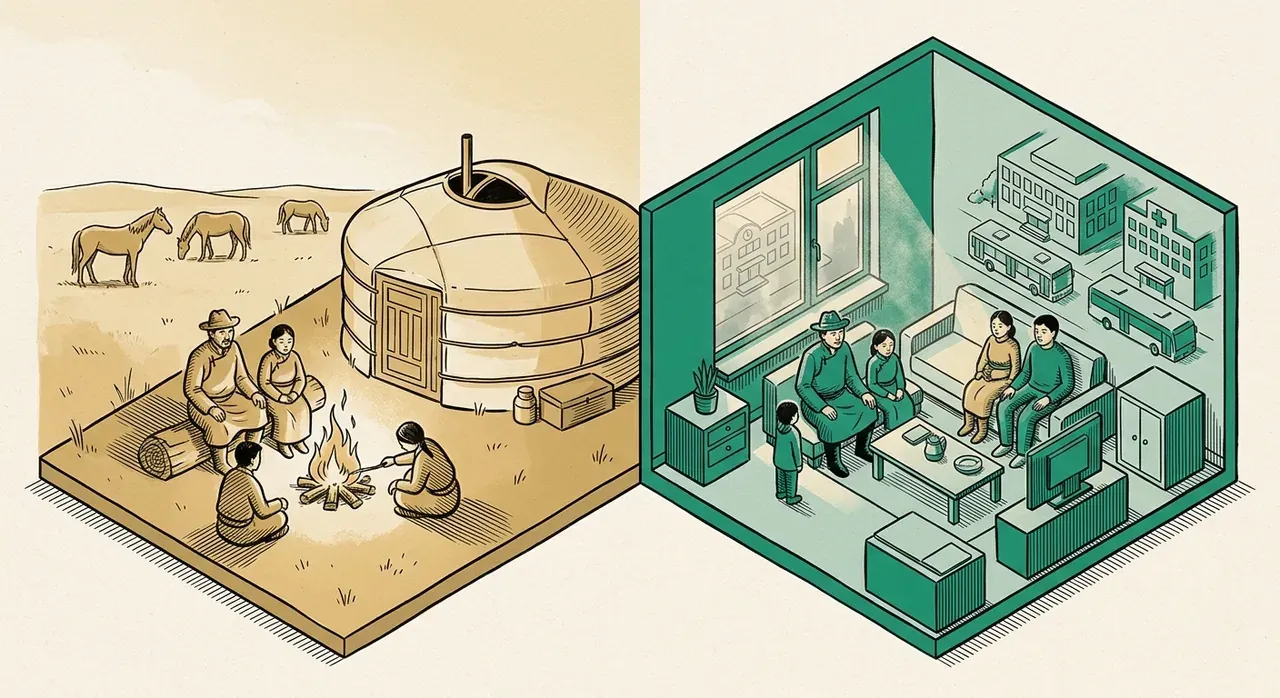
The dominance of pastureland is not just geography — it is policy, culture, and identity. Mongolia's herders have practiced transhumance for millennia, moving livestock seasonally across unfenced grassland. But this system is under pressure: overgrazing from a livestock population that has tripled since 1990, desertification accelerated by climate change, and the magnetic pull of Ulaanbaatar are reshaping the land faster than at any point in recorded history.
Understanding how Mongolia uses its land is essential to understanding its future. A country where 73% of the territory serves one purpose — grazing — is uniquely vulnerable to any disruption of that system. Whether the disruption comes from drought, market shifts, or policy decisions, the consequences ripple across the entire national landscape.
MORE IN ENVIRONMENT
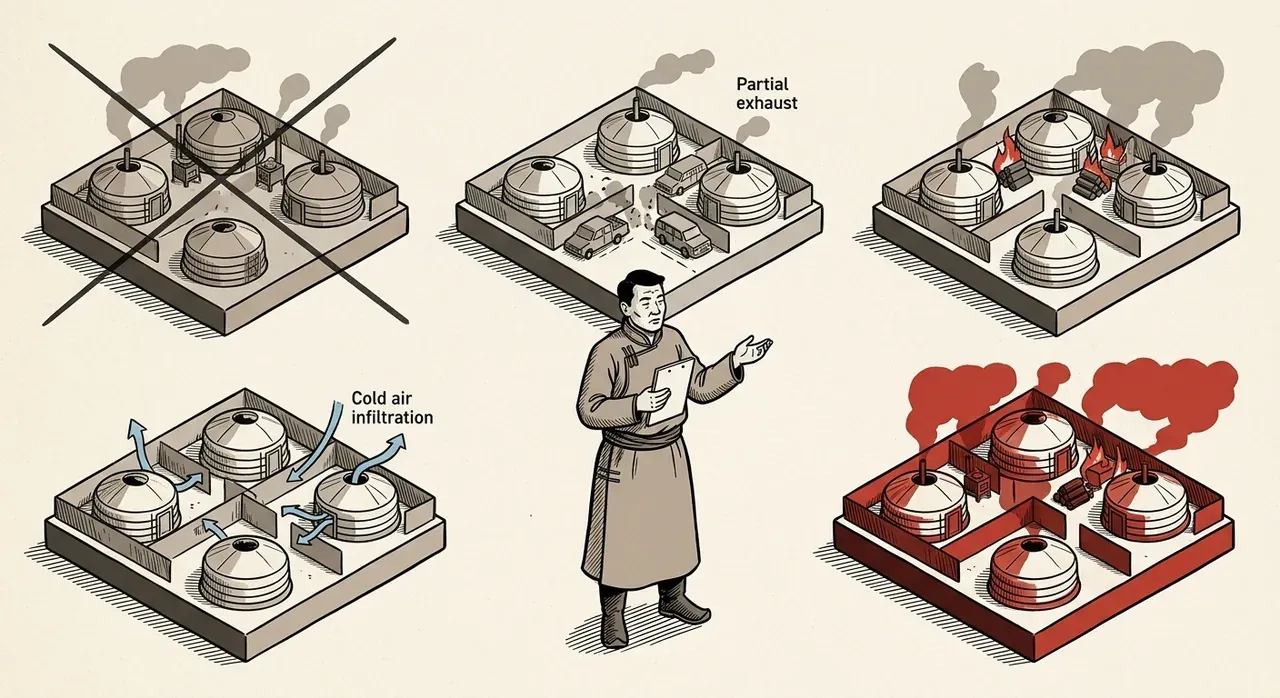
Coal Ban Cut Pollution in Half — So Why Is Ulaanbaatar's Air Still Deadly?
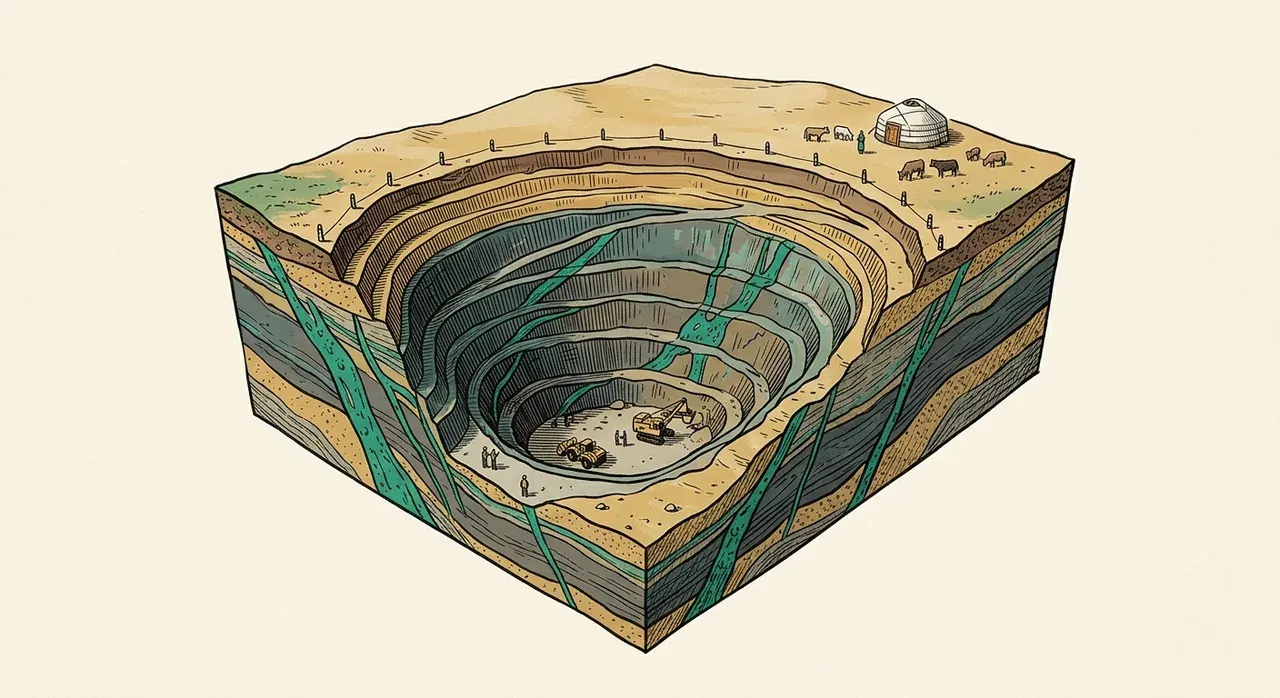
25,200 Hectares: Inside Mongolia's Mining Permits
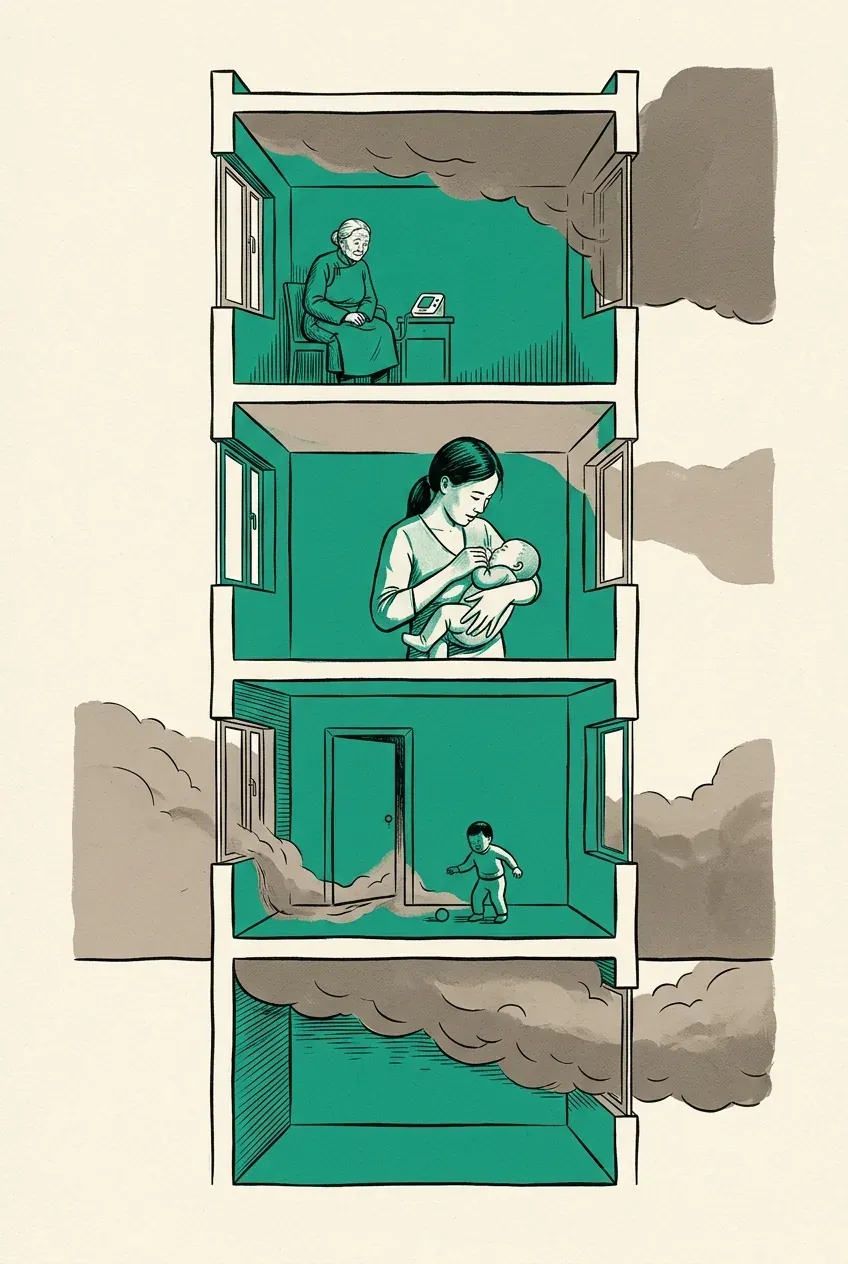
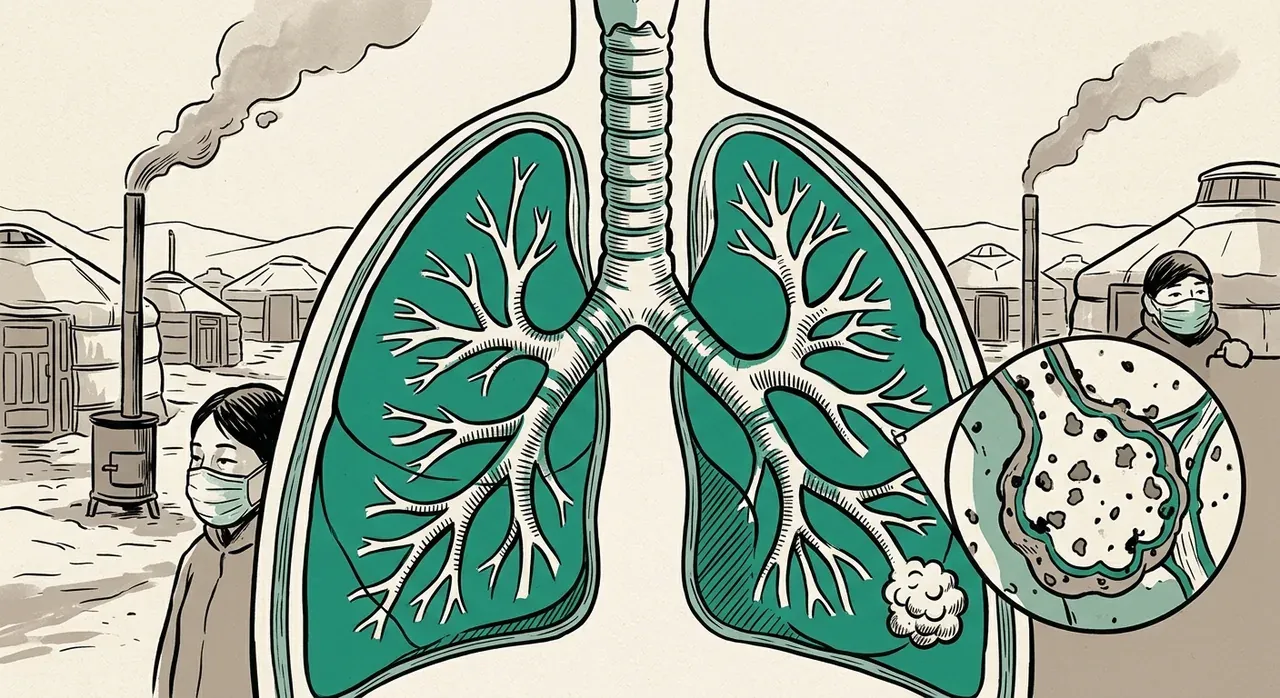
76x the Safe Limit: What UB's Air Does to Your Body
4,000 Lives a Year: Mongolia's Air Pollution Deaths
680 µg/m³: The Deadliest Air in Ulaanbaatar's Ger Districts