Map
Breathing in Ulaanbaatar: A Pollution Map
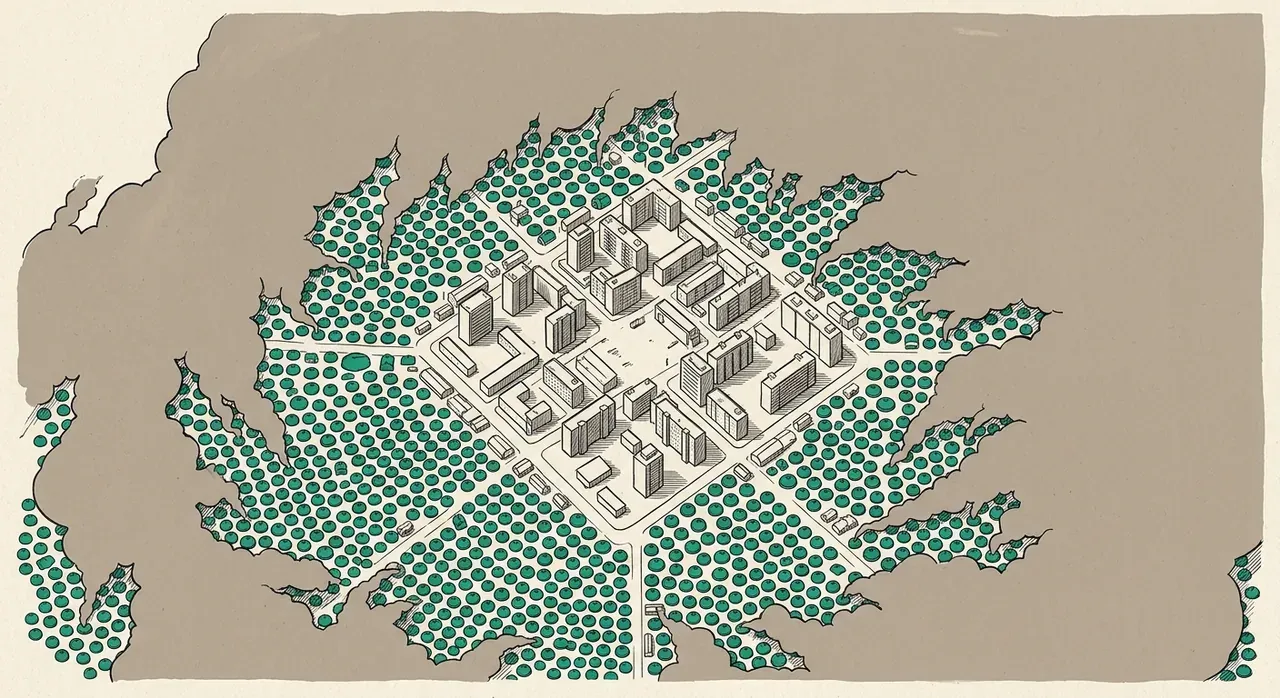
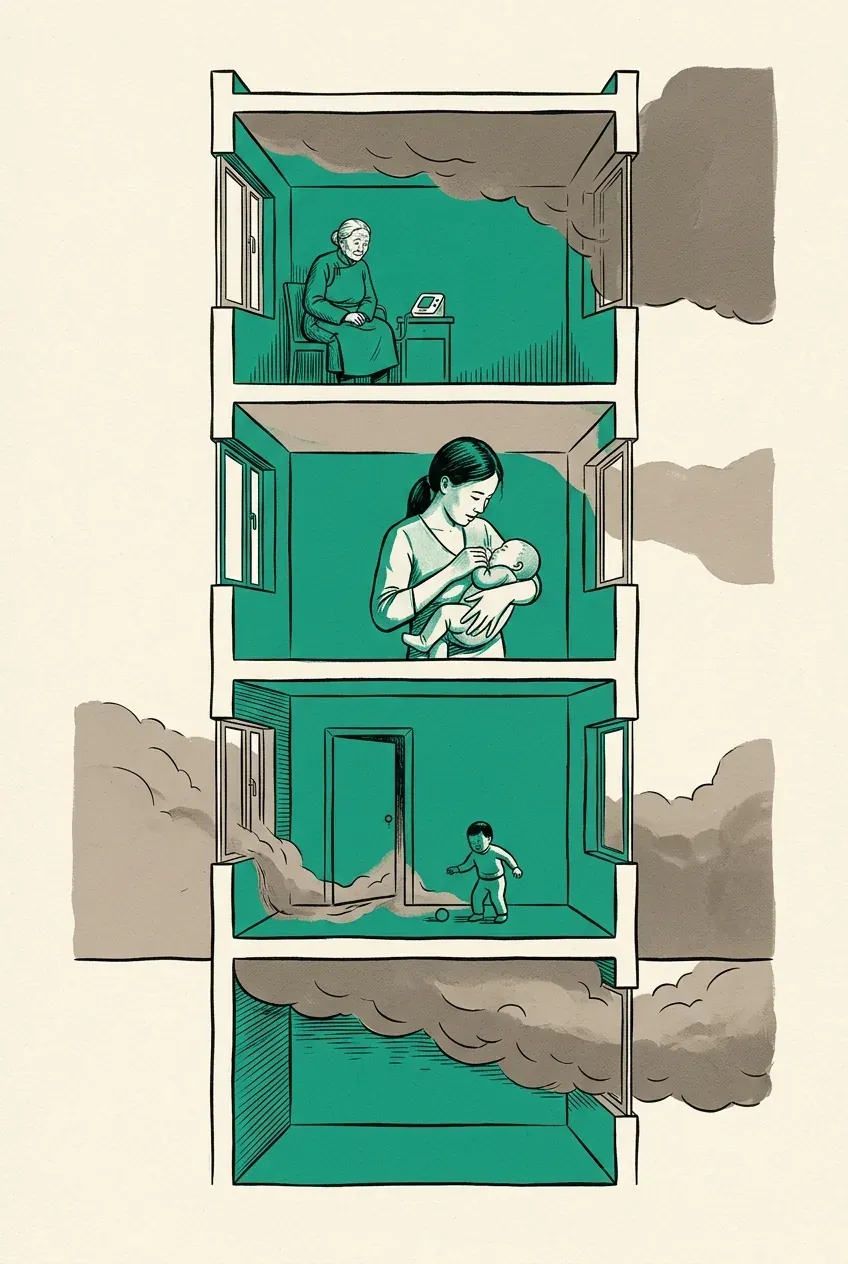
Every winter, Ulaanbaatar becomes the most polluted capital city on Earth. From November to March, temperatures drop to minus 30-40 degrees Celsius, and nearly 200,000 households in the ger districts burn raw coal, wood, and sometimes garbage to survive. The smoke settles into the Tuul River valley where the city sits, trapped by temperature inversions and surrounding mountains. PM2.5 concentrations regularly exceed 500 micrograms per cubic meter — more than 30 times the WHO guideline of 15 ug/m3. Children in the ger districts have lung capacity 40% lower than children in the city center apartments with central heating.
The pollution map of Ulaanbaatar is essentially a poverty map. The city center — where Soviet-era apartment blocks have central heating from coal-fired power plants — is relatively clean. The ger districts, which house over half the city's population in unplanned settlements without infrastructure, are where the crisis concentrates. Each household burns 3-5 tonnes of coal per winter, plus wood and sometimes trash. The smoke rises from 200,000 individual stovepipes — a distributed pollution source that no single regulation can easily address.
Bayankhoshuu Breathes Air 45x the WHO Annual Safe Limit
Annual average PM2.5 by monitoring station in Ulaanbaatar. WHO safe limit is 5 µg/m³.
Source: National Agency for Meteorology and Environmental Monitoring
The health consequences are staggering. UNICEF estimates that 3,500 Mongolians die prematurely from air pollution each year — roughly 1 in 1,000 of the national population. Children under five in ger districts have pneumonia rates seven times higher than the national average. Pregnant women exposed to winter pollution have significantly higher rates of premature birth and low birth weight. The economic cost, including healthcare spending and lost productivity, is estimated at 5-10% of GDP annually. Despite billions of dollars in mining revenue, Mongolia has not solved the heating problem that kills its citizens every winter.
MORE IN ENVIRONMENT
25,200 Hectares: Inside Mongolia's Mining Permits
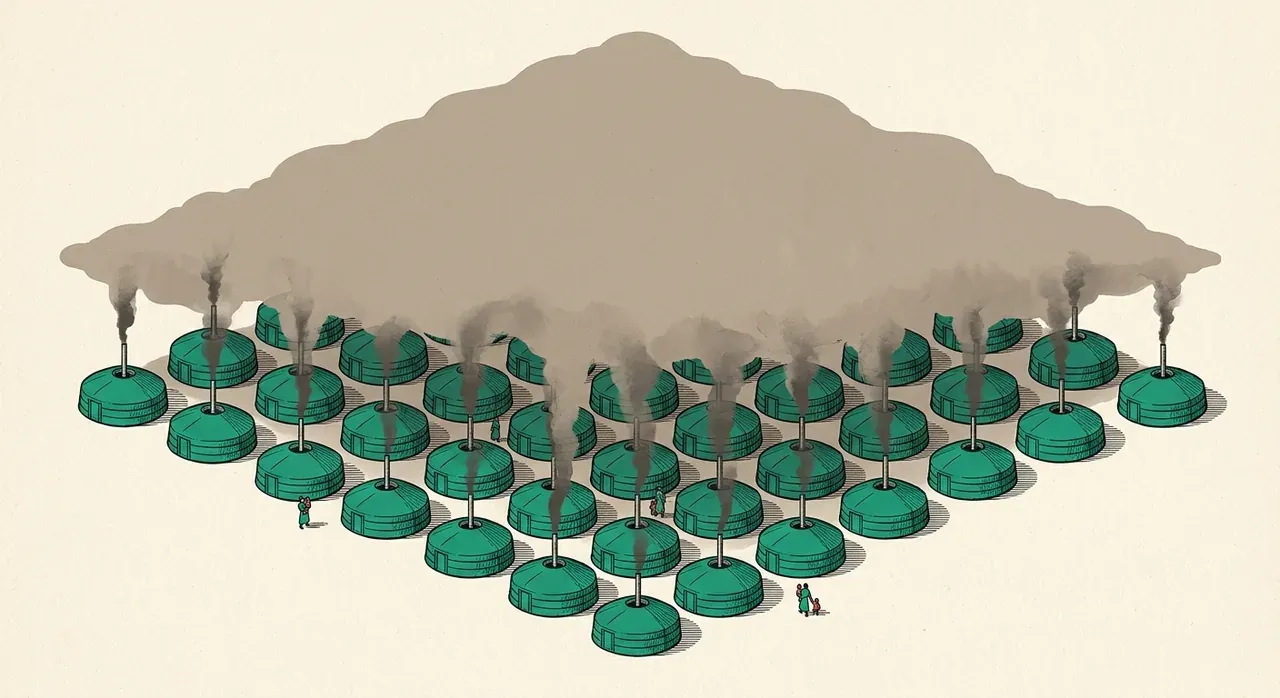
4,000 Lives a Year: Mongolia's Air Pollution Deaths
Coal Ban Cut Pollution in Half — So Why Is Ulaanbaatar's Air Still Deadly?
76x the Safe Limit: What UB's Air Does to Your Body
73% Pasture: How Mongolia Uses Its 156 Million Hectares