Economy
Mongolia by the Numbers: When to Go, What It Costs.
Mongolia received 727,386 international visitors in 2024, according to NSO Mongolia — a 22% increase on the 594,013 recorded in 2023. The country's extreme continental climate, nomadic culture, and the Naadam festival in July create a pronounced seasonal demand pattern: summer is peak season, winter is quiet. For travelers planning a trip, three data points matter most: when to visit, where to sleep, and how much flights cost.
When to go. Ulaanbaatar's average daily highs swing from −15°C in January to +24°C in July. The window between June and August is the warmest, most accessible, and most crowded. July 11 is Naadam — Mongolia's national holiday and largest annual public gathering, with horse racing, archery, and wrestling competitions. Shoulder season (May and September) offers milder weather and fewer tourists. October through April brings sub-zero temperatures; January's average low of −28°C is unforgiving for unprepared visitors.
Ulaanbaatar average daily high temperature, by month (°C)
Monthly average daily high in Ulaanbaatar. June–August is the only warm window.
Source: Source: WMO Ulaanbaatar station data (weather-and-climate.com), long-term monthly averages
What to budget for accommodation. Mongolia has a wide range of sleeping options. Budget hostels in Ulaanbaatar start around $6 per night for a dorm bed; private rooms run $10–$40. The defining experience — staying in a traditional ger camp in the countryside — typically costs $30–$120 per night including meals. Mid-range business hotels in Ulaanbaatar average $20–$45, and luxury international properties run $90–$180. Prices below are typical midpoints; the range at every tier is wide and varies by season and location.
Typical midpoint accommodation cost in Mongolia (USD per night)
Typical midrange hotel or ger camp per night. Prices vary by season.
Source: Source: typical market rates, danistanomads.com / selenatravel.com / expatmongolia.com, 2025–2026
Getting there. Chinggis Khaan International Airport (ULN) in Ulaanbaatar has direct connections to about 17 cities. Seoul's Incheon Airport (ICN) is the cheapest and most-connected hub: one-way economy fares range from $150 to $350. Beijing fares range from $310 to $690. Tokyo (Narita) ranges from $400 to $550. All prices are Google Flights estimated ranges as of April 2026 and will vary by booking window and season. There is no direct flight to Ulaanbaatar from Western Europe or North America; these travelers typically connect through Seoul or Beijing.
Flight to Ulaanbaatar: one-way economy starting price (USD)
Starting one-way economy fare from major cities to Ulaanbaatar, 2025.
Source: Source: Google Flights / Orbitz estimated economy ranges, April 2026. Bar shows lowest available fare; full ranges in text above. Prices vary by season and booking window.
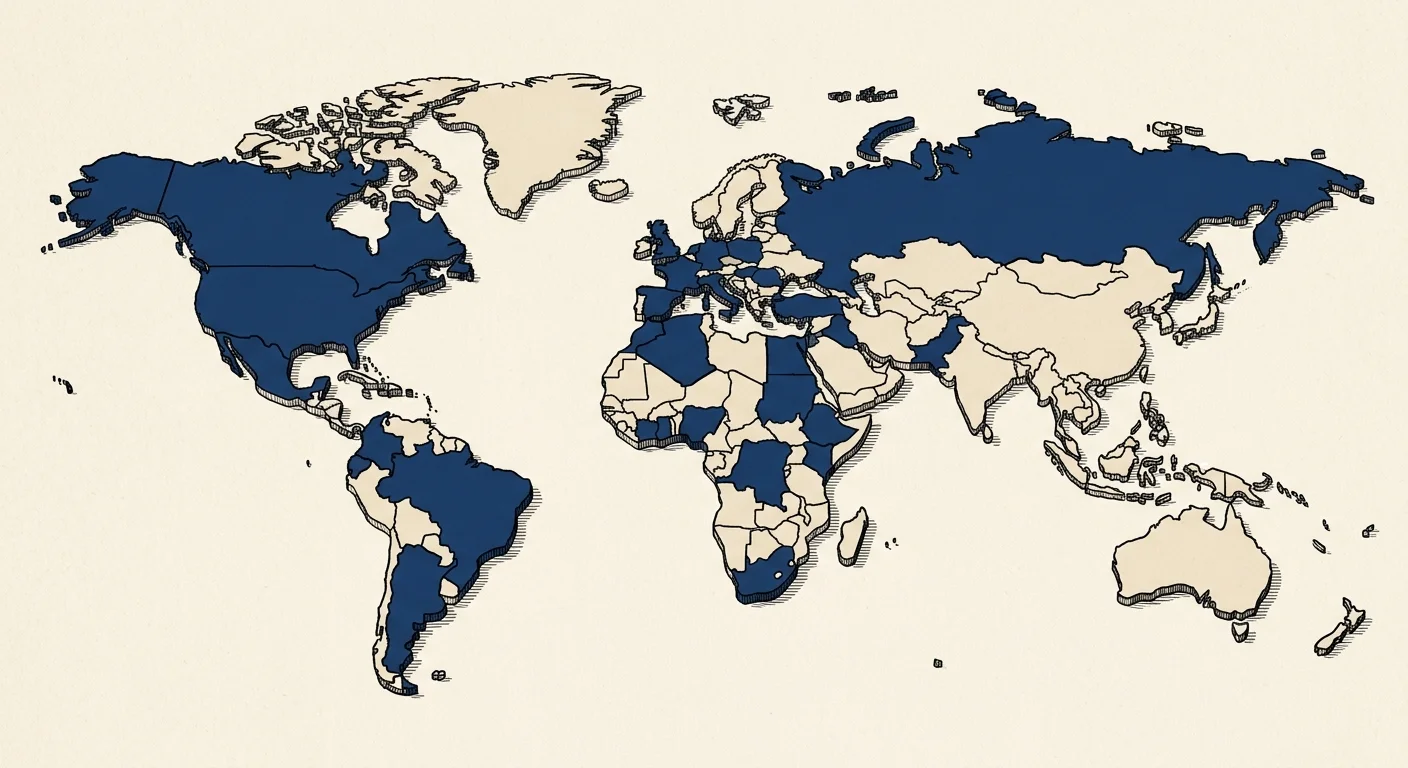
Visa essentials. Travelers from more than 30 countries — including the United States, Canada, Japan, South Korea, the United Kingdom, and Australia — can enter Mongolia visa-free for 30–90 days. Citizens of approximately 180 countries are eligible for a Mongolia e-visa through the official portal (evisa.mn). The official cost is $30 for a single-entry 30-day visa; third-party services charge $50–$70 with additional service fees. Allow up to 14 days for processing and apply through the official government portal directly to avoid inflated fees. Naadam Festival 2025: July 11–12 (opening ceremony July 11). Naadam Festival 2026: July 11–13 (July 11 is a constitutionally fixed national holiday).
For most travelers, the June–August window offers the best combination of warmth, daylight, and access. Seoul is the most affordable entry point at every budget level. With visa-free access available for more than 30 nationalities and ger camp stays available from $30 per night, Mongolia remains significantly underpriced relative to the scale and remoteness it offers.
MORE IN ECONOMY
Where Does Mongolia's Government Spend? Every Line Item

Mongolia's Two Debt Numbers: $10.5B Government, $37.1B Total

17% Mortgage vs. 6%: Should You Rent or Buy in Ulaanbaatar?

₮3.2 Trillion: Who Owns Mongolia's Biggest Companies?

Mutton Costs 45% More in Winter: Plan Your Meat Budget