
Visual Investigation
1.49°C: The World Is Running Out of Runway
In 2024, Earth crossed a threshold that scientists had warned about for decades. The annual average temperature reached 1.49°C above the pre-industrial baseline — the highest ever recorded, and within a fraction of a degree of the Paris Agreement's most ambitious 1.5°C target.
This is not a forecast. It is the measured temperature of the planet, recorded by NASA's Goddard Institute for Space Studies using thousands of weather stations, ship records, and ocean buoys going back to 1880.
1880–1950: The Industrial Baseline. The world burns coal and oil but the atmosphere absorbs the shock. Temperatures fluctuate within ±0.4°C of the 1951–1980 reference average. No trend is yet visible to the naked eye.
What This Means
The 1.5°C target is not an arbitrary number. It is the threshold beyond which scientists project significantly higher risks of extreme weather, coral reef collapse, and irreversible ice sheet loss. At 1.5°C, 70–90% of coral reefs die. At 2°C, they are essentially gone.
For Mongolia, a landlocked country at high elevation, the consequences are already visible: permafrost thaw is destabilizing infrastructure, dzud (severe winter storms) are becoming more extreme, and the Gobi Desert is expanding north. Mongolia is warming at roughly twice the global average rate.
Source: NASA Goddard Institute for Space Studies, GISTEMP v4 (Land-Ocean Temperature Index). Annual means relative to 1951–1980 average. Last updated April 2025. Data is public domain.
MORE IN ENVIRONMENT
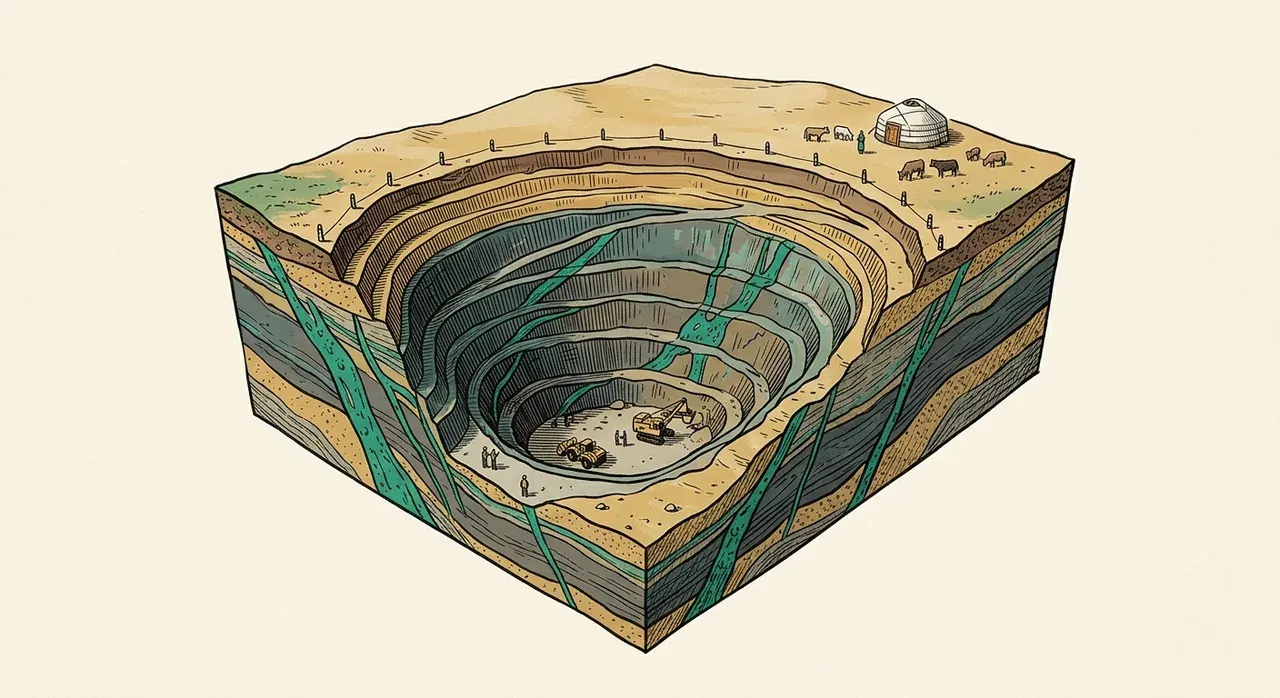
25,200 Hectares: Inside Mongolia's Mining Permits
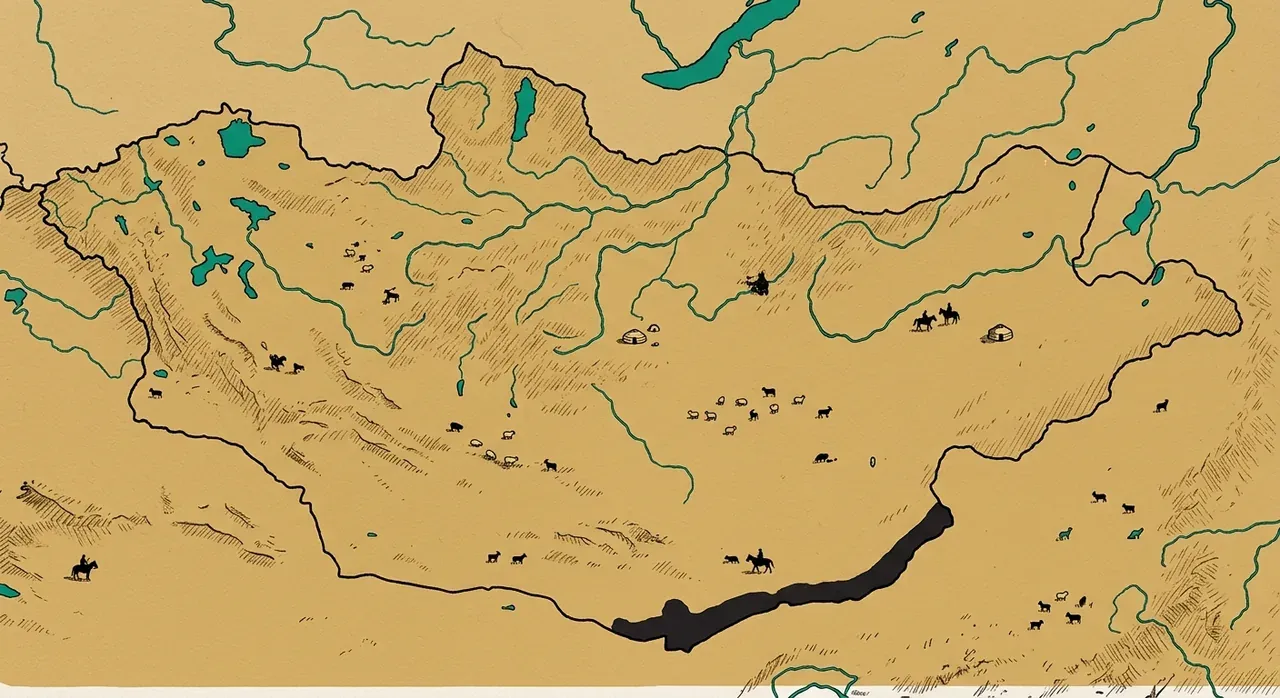
73% Pasture: How Mongolia Uses Its 156 Million Hectares

76x the Safe Limit: What UB's Air Does to Your Body

680 µg/m³: The Deadliest Air in Ulaanbaatar's Ger Districts
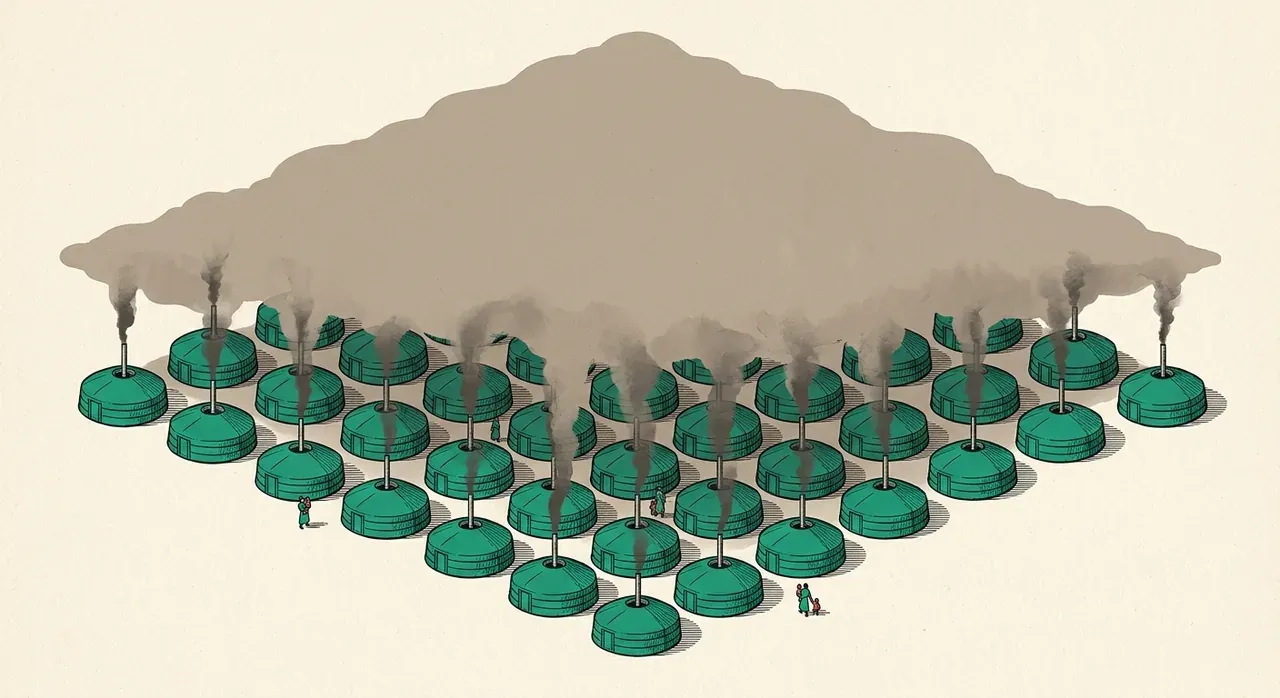
4,000 Lives a Year: Mongolia's Air Pollution Deaths