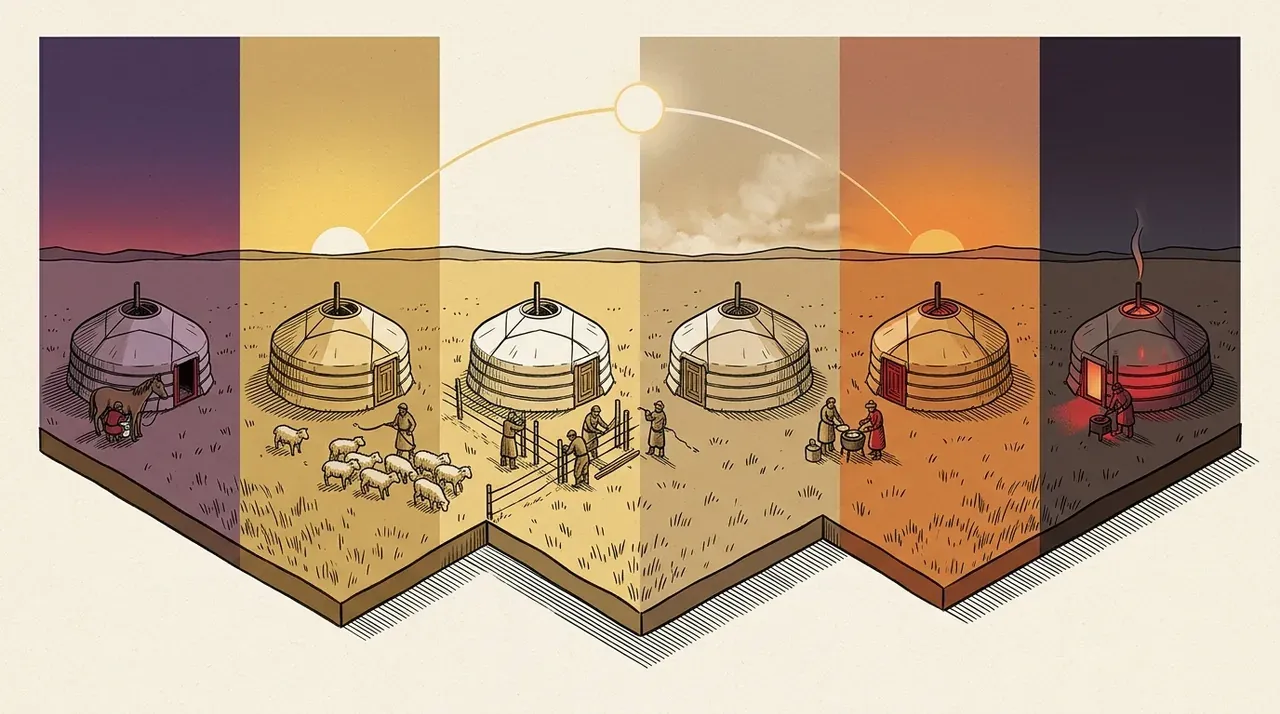
Two Days, Same Life
A Mongolian herder's day in July and January share the same 24 hours. Almost nothing else. In July, nearly 11 hours go to livestock care, milking, and riding — the productive engine of the steppe. In January, heating the ger consumes as many hours as milking does in summer. Yet the animals have stopped producing milk.
Monthly daylight hours at Mongolia's latitude (~48°N). The swing from December's 8.5 hours to June's 16.4 hours is nearly double — one of the most extreme seasonal daylight ranges of any inhabited region.
Mongolia's Daylight Swings by Nearly 8 Hours
Hours of daylight per month in central Mongolia. The swing is nearly 8 hours.
Source: NSO Mongolia Time Use Survey 2021–2022; USNO Astronomical Applications.
That arc — from 8.5 hours of light in December to 16.4 in June — reshapes how every hour of the herder's day is spent. The daylight does not cause the shift directly. But it sets the conditions: when to milk, when to ride, when darkness makes outdoor work impossible, and how much fuel a family needs to survive the night. The figures below, drawn from NSO household survey responses and rounded to the nearest half-hour, show the typical seasonal pattern rather than any individual's precise day.
Hours difference per activity (summer minus winter). Activities above zero take more time in summer. Activities below zero take more time in winter. Sorted by absolute change.
How the Herder's Day Reorganizes Between Seasons
How daily activities shift between summer and winter for a typical herder family.
Source: NSO Mongolia Time Use Survey 2021–2022; USNO Astronomical Applications.
Fuel collection in January takes as long as milking does in July — both 2.5 hours — but for completely opposite reasons: one to survive the cold, one to capture the abundance of the short season. Sleep stretches by 90 minutes. Riding nearly halves. The 24 hours never change. What fills them does.
MORE IN SOCIAL
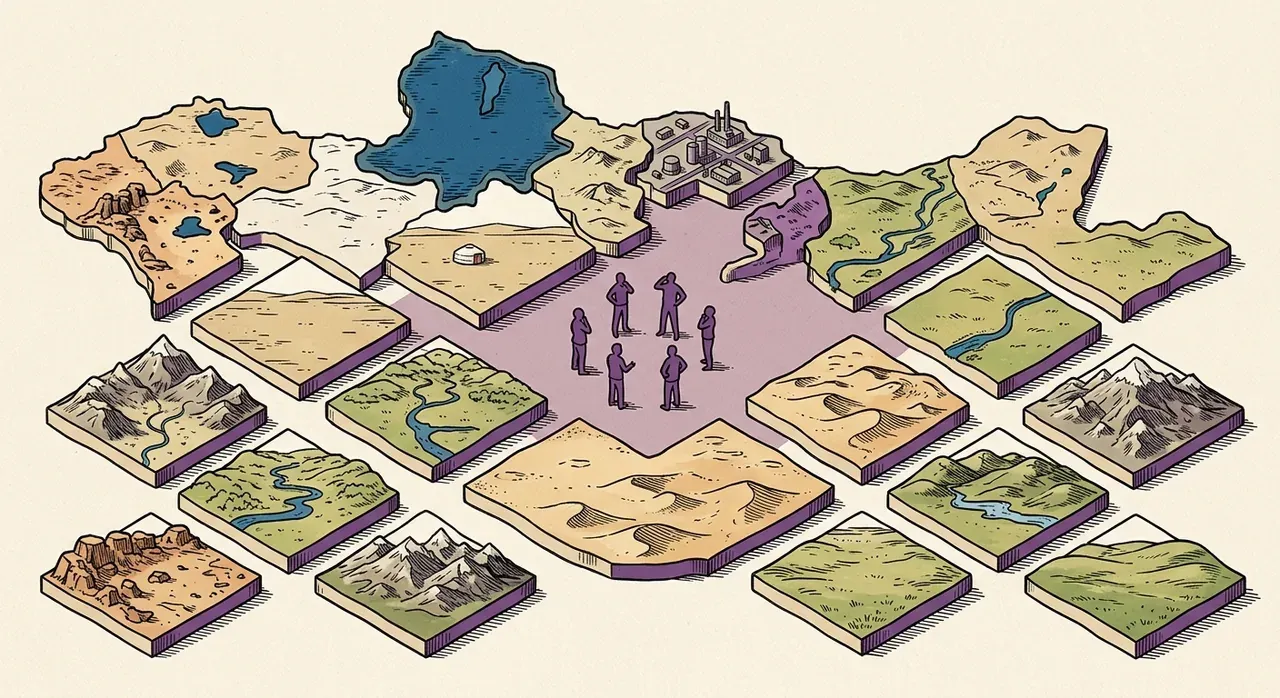
21 Aimags: Which One Should You Live In?
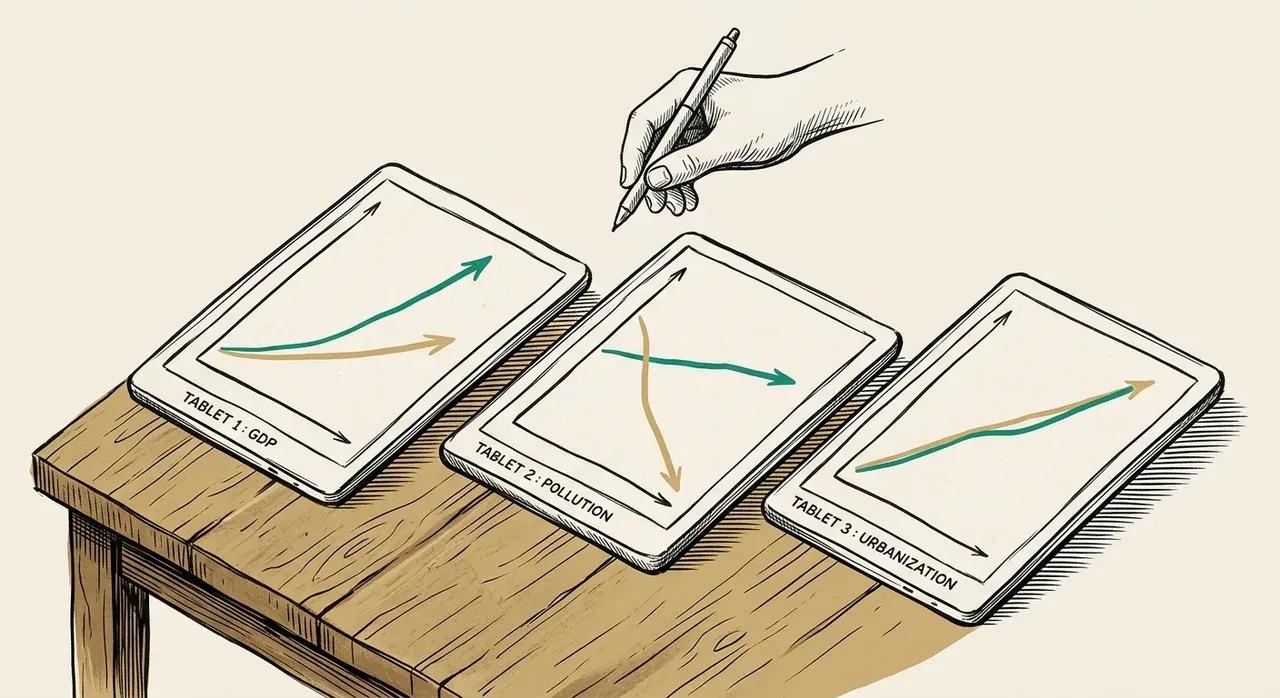
3 Charts, 3 Surprises: You Draw Mongolia's Future — Then See What Actually Happened
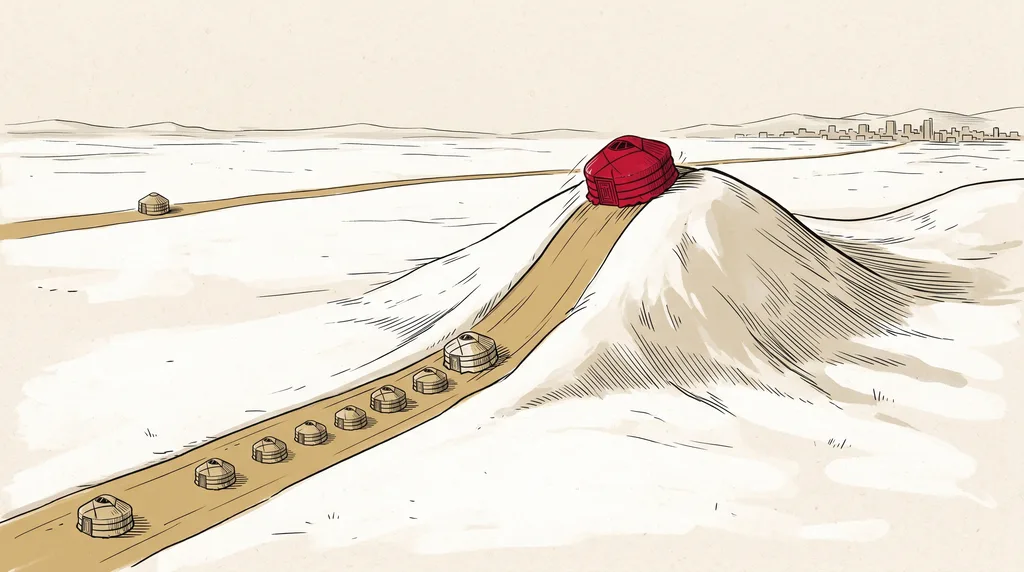
980,000 Cases: How Mongolia's Covid Compared
Top Schools vs. Bottom Schools: Mongolia's Education Gap
1.54 Million in One City: Mongolia's Population Imbalance