The Inequality That Didn't Happen
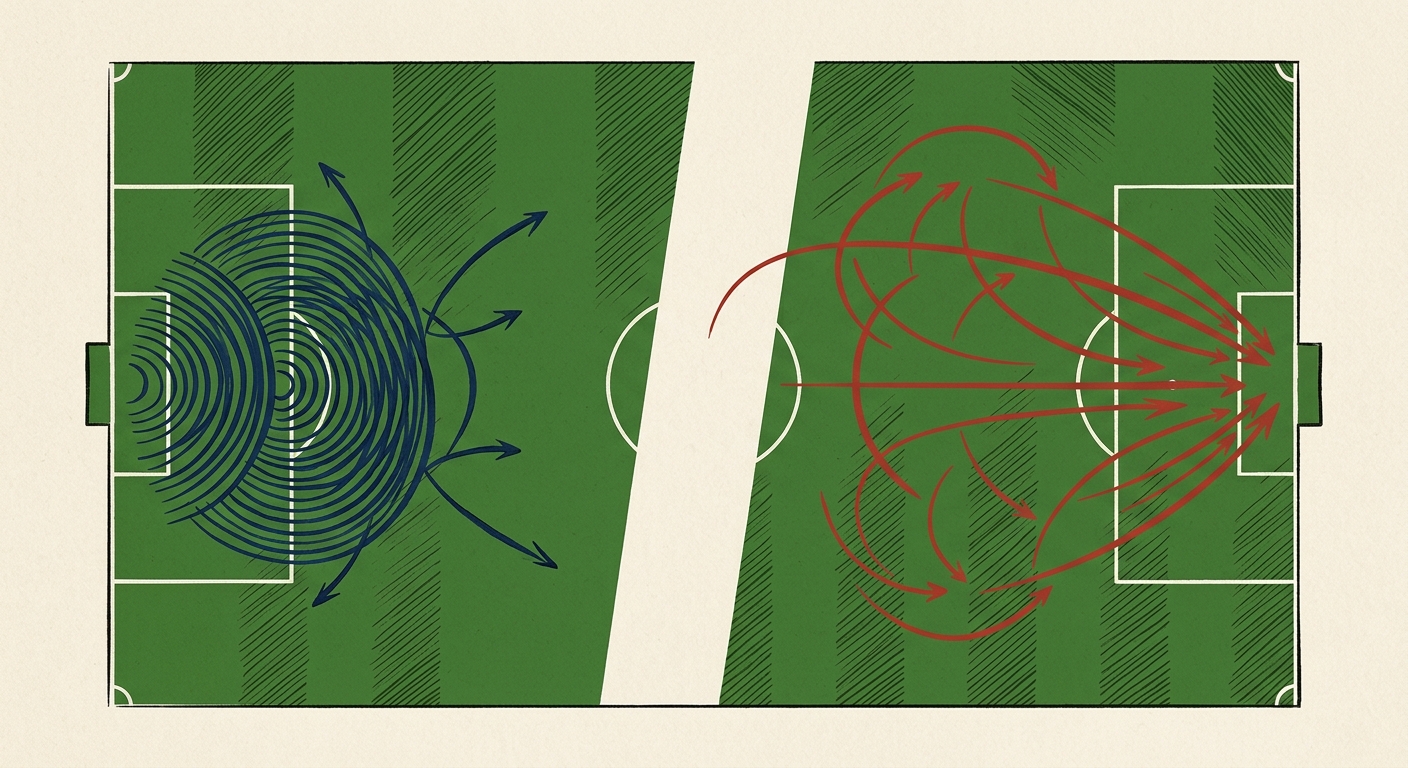
The standard assumption about resource-dependent economies is simple: extraction concentrates wealth. A country discovers minerals, foreign capital pours in, a small group captures the gains, and inequality rises. Mongolia's data tells a different story. The country's Gini coefficient — the standard measure of income inequality, where higher means more unequal — peaked at 35.8 in 2007, then trended downward over the following fifteen years. By 2022, it had reached 31.4. That places Mongolia below China (36.0), Russia (33.0), South Korea (32.9), and Japan (32.3) in the regional comparison. Only Kazakhstan, at 29.2, is more equal among its five neighbors. The data comes from the World Bank World Development Indicators, which draws on Mongolia's National Statistical Office household surveys.
Mongolia's Gini coefficient, 1995–2022. Survey data — years are irregularly spaced. A higher Gini means more inequality. The 2007 peak (35.8) stands out: inequality was at its highest during the mid-2000s commodity price surge, before the Oyu Tolgoi era.
Mongolia's Inequality Rose, Then Fell
Gini coefficient trend, 2010–2023. Inequality peaked in 2016 then declined.
Source: World Bank — Gini Index (SI.POV.GINI)
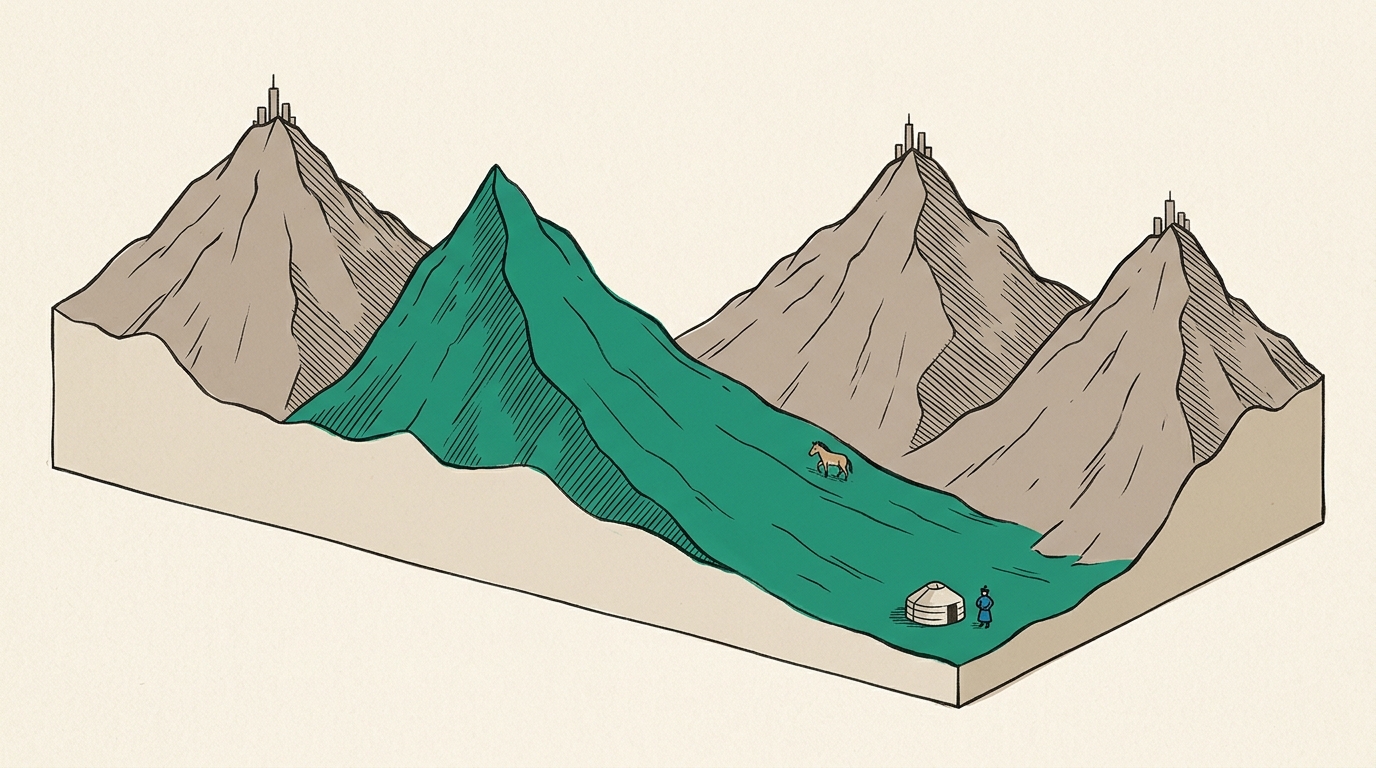
The 2007 peak coincided with Mongolia's mid-2000s commodity export surge, when coal and copper prices drove rapid economic growth and concentrated early gains. The subsequent decline through the Oyu Tolgoi construction years (2010–2012) and beyond suggests that redistribution mechanisms — Mongolia's universal child money program, expanded social welfare transfers, and broader wage growth — partially offset extraction-driven concentration. The story is not that inequality never grew. It grew. But it came back down.
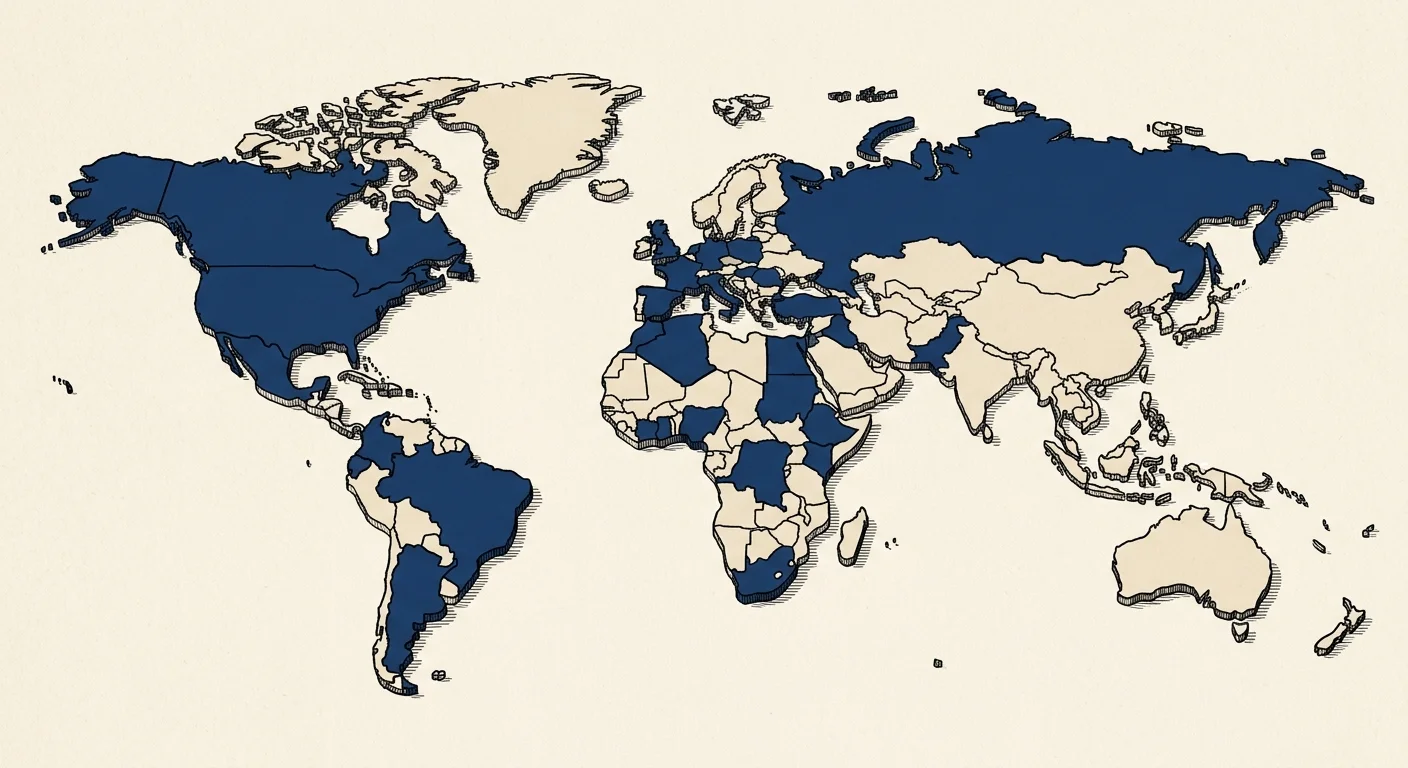
Gini coefficients for Mongolia and five regional neighbors. Most recent available year per country, 2020–2023. Source: World Bank WDI. Mongolia (31.4) sits below China, Russia, and South Korea. Kazakhstan (29.2) is the only neighbor with lower inequality.
Mongolia Is More Equal Than China, Russia, Japan, and South Korea
Gini coefficient by country, most recent year available (2020–2023)
Source: World Bank World Development Indicators
The Gini is not a full picture of welfare. It measures relative income distribution, not living standards. What the trend shows is structural: Mongolia's net inequality fell over a period when most economists would have predicted the opposite — mining concessions being signed, GDP growth accelerating, foreign capital concentrated in one sector. The net direction over 2007–2022 is down 4.4 Gini points. That is not the expected result for a resource-dependent economy.
MORE IN SOCIAL
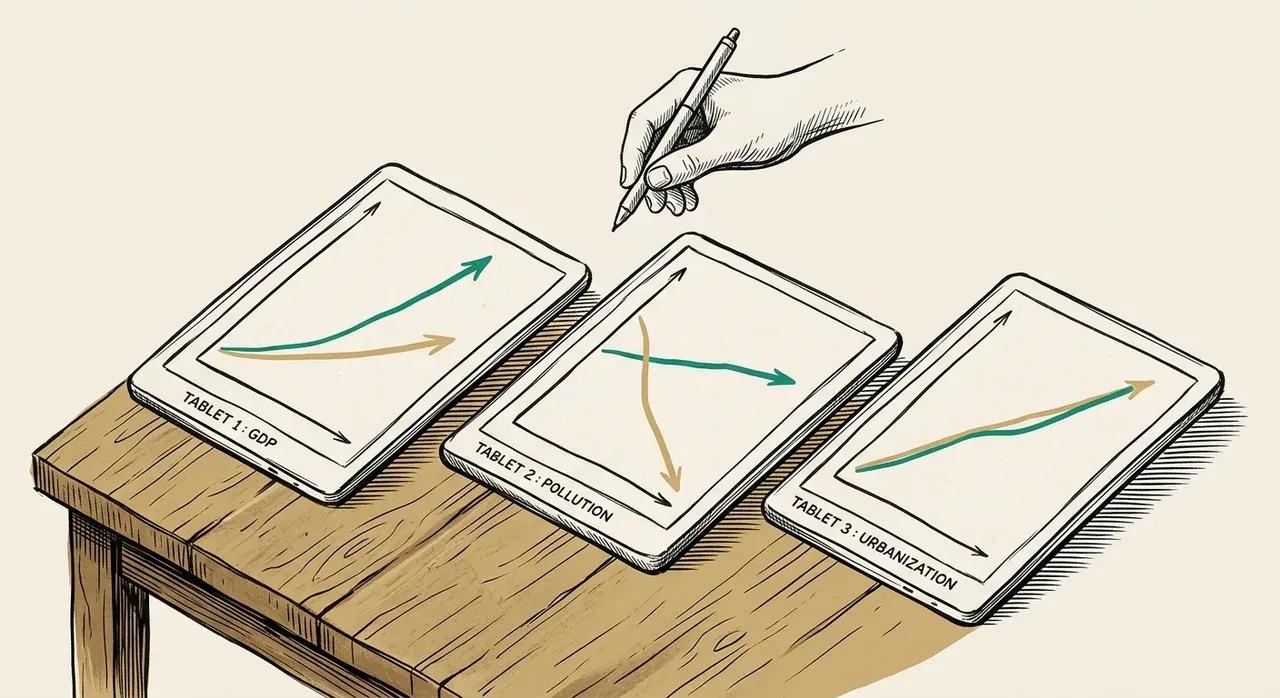
3 Charts, 3 Surprises: You Draw Mongolia's Future — Then See What Actually Happened
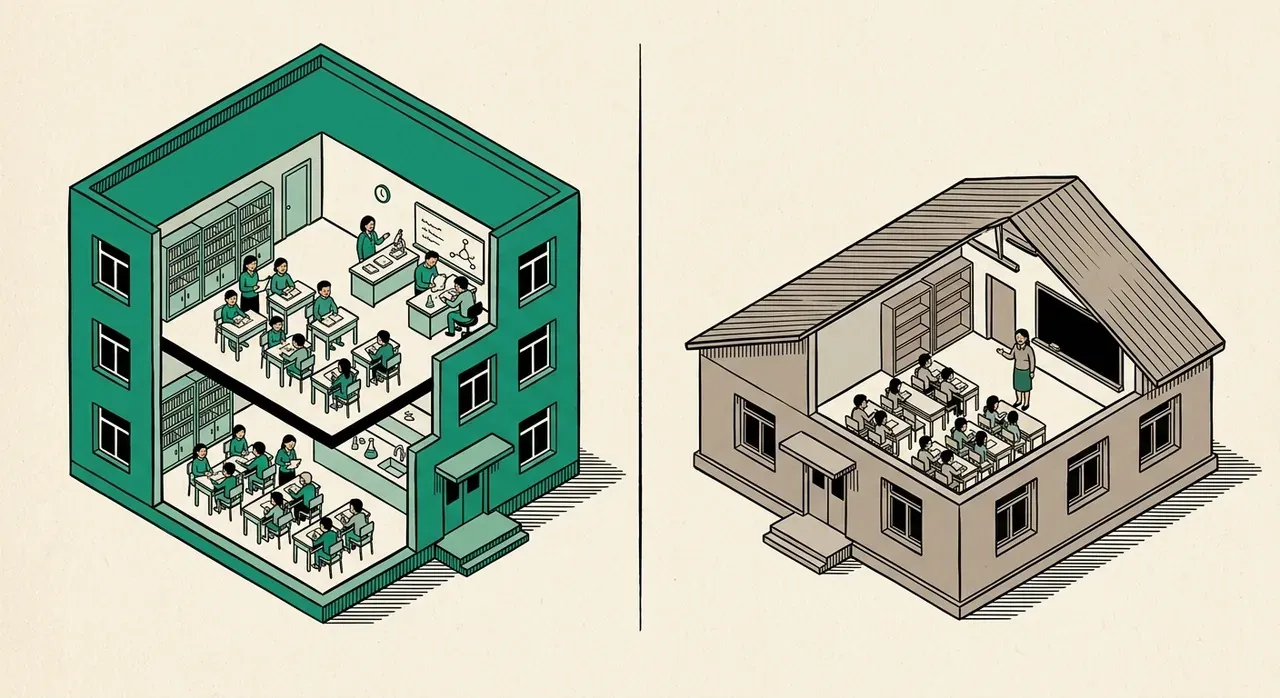
Top Schools vs. Bottom Schools: Mongolia's Education Gap
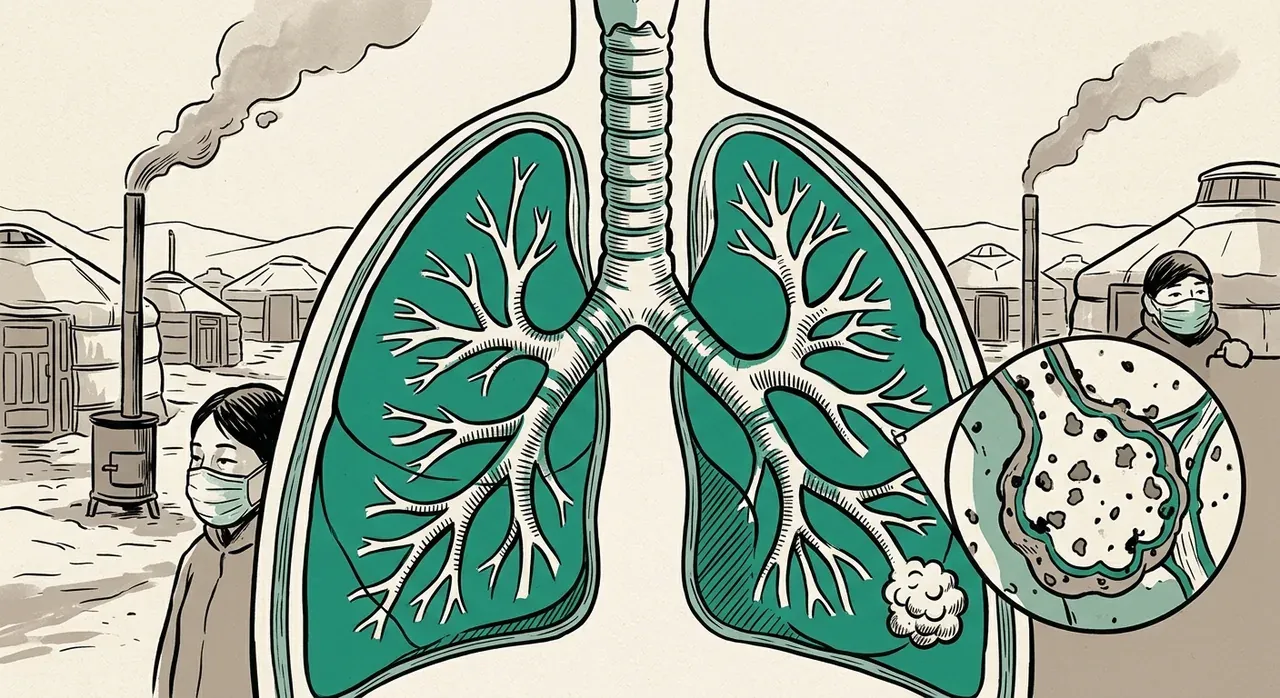
380 µg/m³ in January: How Coal Smoke Reaches Your Lungs
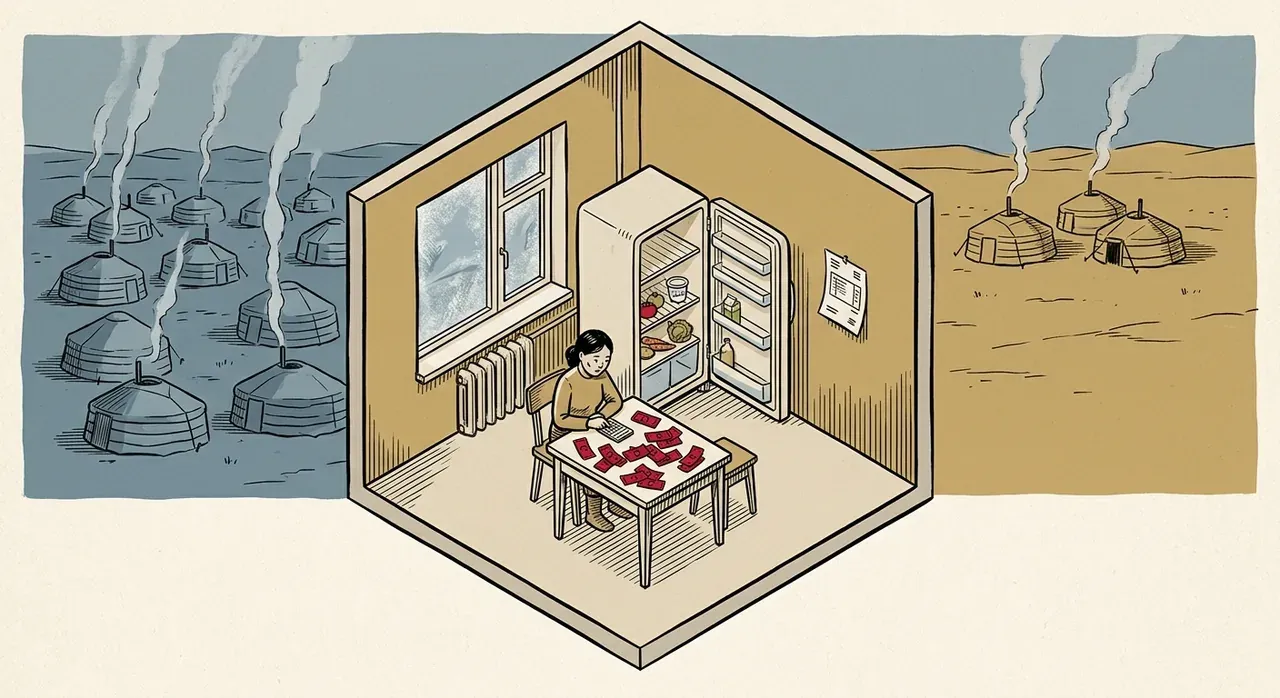
₮792,000 a Month: Can You Survive in Ulaanbaatar?
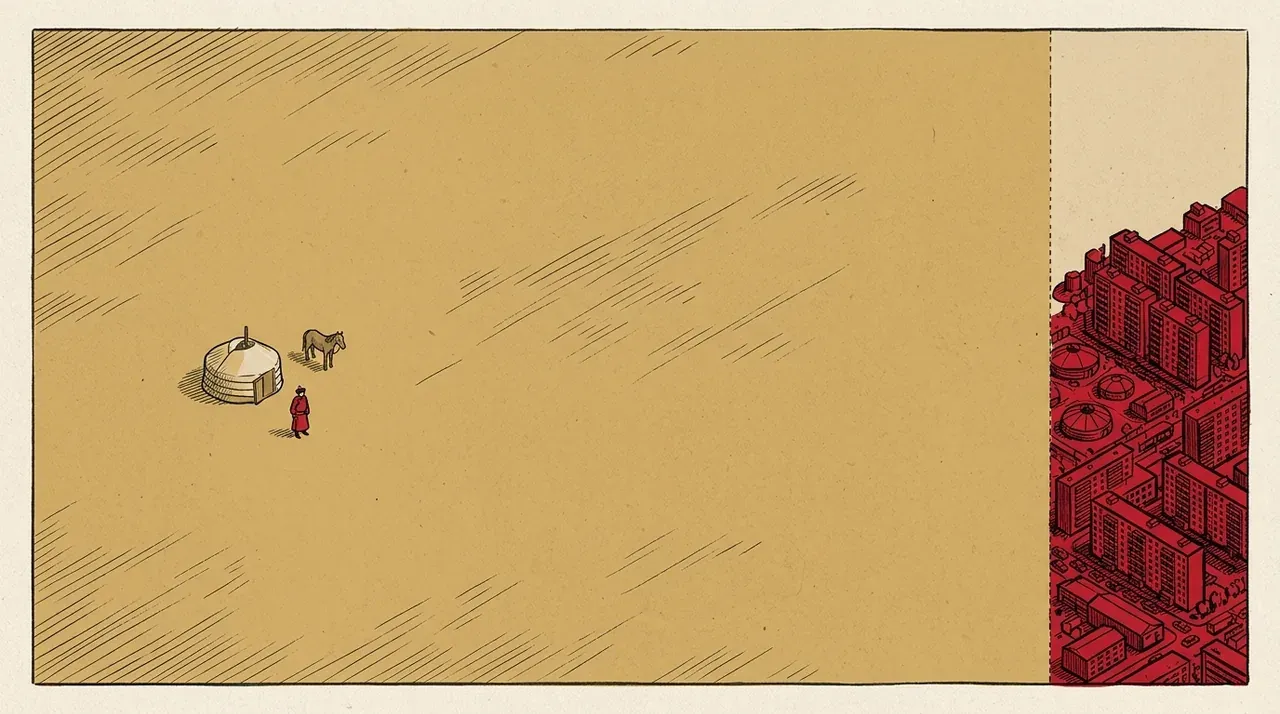
1.54 Million in One City: Mongolia's Population Imbalance