Economy
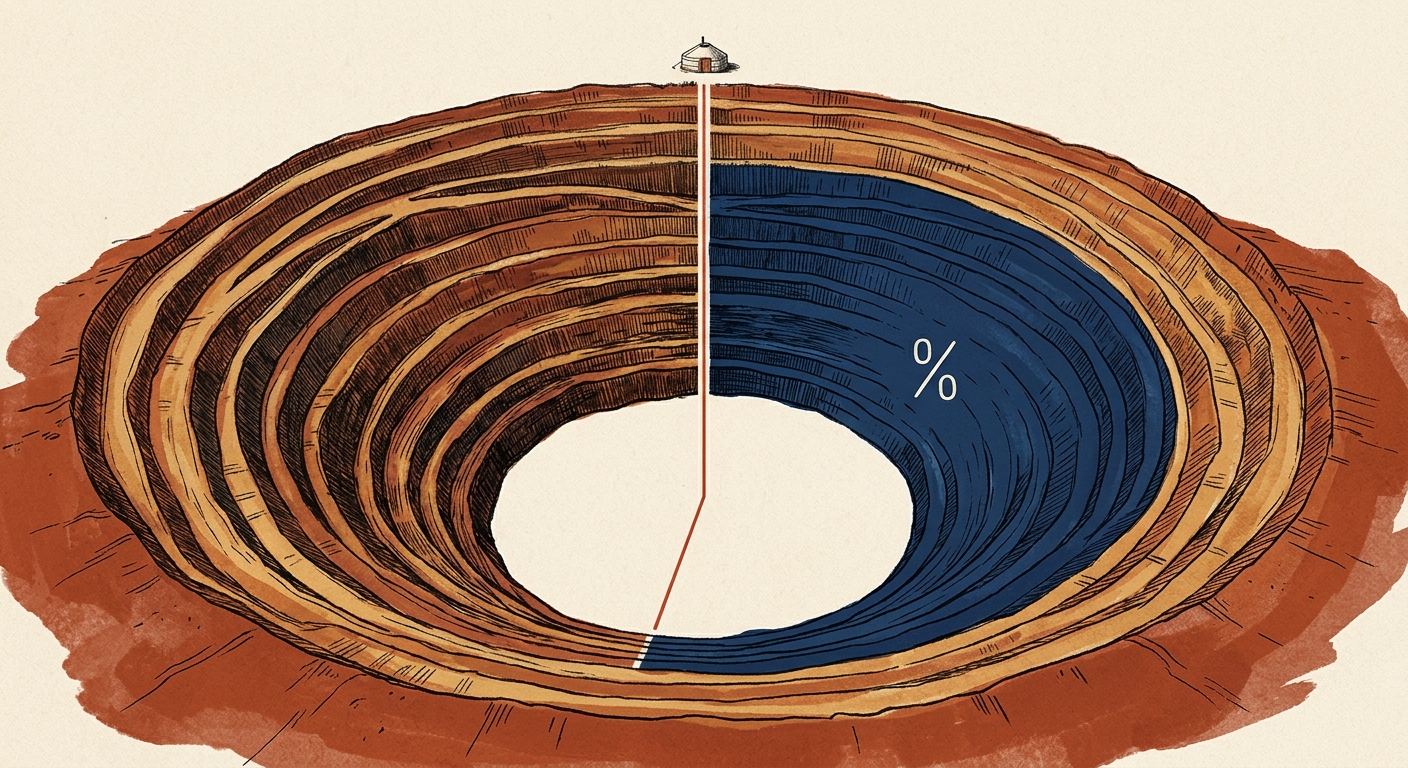
Mongolia Owns 34% of Its Biggest Mine. It Has Never Received a Dividend.
Mining generates roughly 30% of Mongolia's GDP, 90% of its exports, and the majority of its foreign direct investment. Three mines of material scale operated in 2023: Oyu Tolgoi in the South Gobi, Erdenet in the north, and Boroo Gold in Selenge province. Together their revenues exceeded $2.8 billion. But the headline figure conceals a structural tension at the heart of Mongolian resource policy: who actually captures the value?
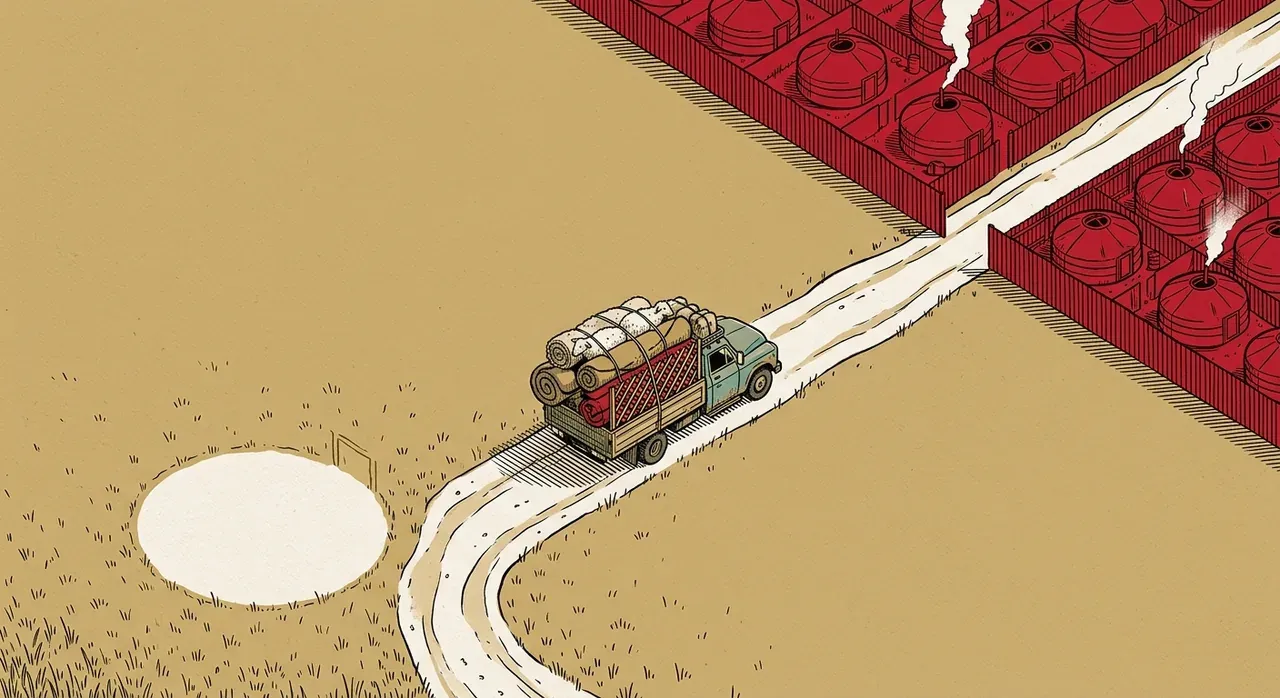
Three mines dominate Mongolia's mineral economy — spread across 1,500 km of steppe and desert. The distance between them is the distance between Mongolia's geological fortune and its fiscal reality.
South Gobi desert. The world's largest new copper mine. In 2023 it generated $1.625 billion — more than Erdenet and Boroo combined. Mongolia holds a 34% equity stake, acquired with a $6 billion loan. That stake has never paid a dividend.
Northern Mongolia. Built with Soviet assistance in 1978. The entire city of Erdenet — 100,000 people — exists because of this mine. It is 100% state-owned, a structural contrast to Oyu Tolgoi. Full revenue data is not publicly disclosed.
Selenge province, northern Mongolia. Mongolia's largest gold producer. 100% privately owned by Steppe Gold (Canada), acquired in 2024. It contributes taxes but no equity return to the state. The smallest of the three in revenue — but the most transparent in its public reporting.
The scale gap. Oyu Tolgoi generated $1.625 billion in 2023 — nearly 50% more than Erdenet, and more than twelve times Boroo Gold. This is not a close competition. One mine, operated by a foreign company, generates more than all the others combined.
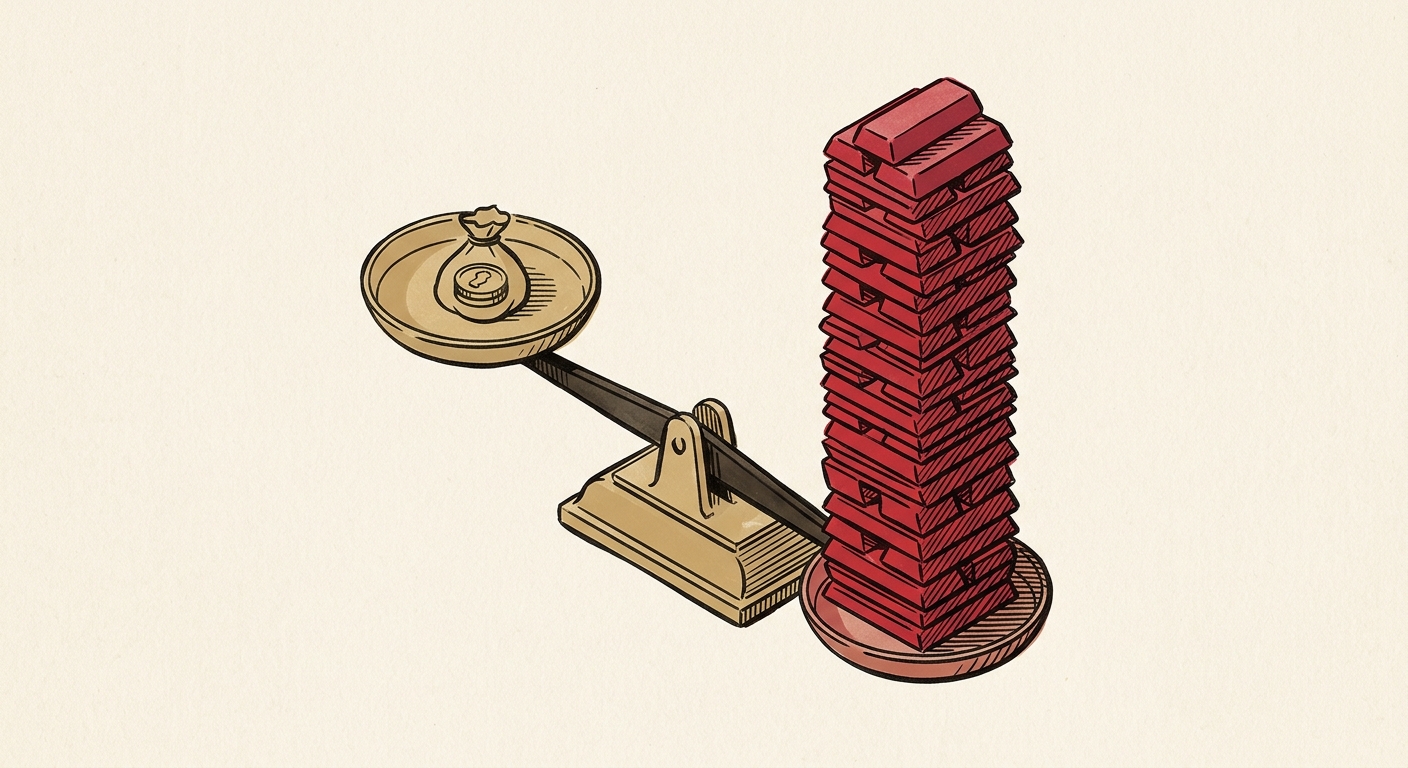
The fiscal question. Of Oyu Tolgoi's $1.625 billion, Mongolia received $408 million in taxes, royalties, and fees — 25% of gross revenue. The remaining 75% flows through Rio Tinto, which controls 66% of the mine. Mongolia's 34% equity stake should theoretically return more. It does not — because the equity stake has never paid a single dividend.
Mongolia captures 25% of OT revenue — all taxes, zero dividends
Mongolia's share of Oyu Tolgoi revenue: all from taxes, zero from dividends.
Source: OT Year in Review 2023; Rio Tinto 2023 Taxes & Royalties Paid Report
The mechanism is a $6 billion project finance facility — loans from international lenders including the IFC and EBRD — that Mongolia borrowed to fund its equity stake in the underground expansion. Under the Investment Agreement terms, dividends to Erdenes Oyu Tolgoi LLC (the state entity holding the 34% stake) are suspended until this debt is repaid. As of March 2026, Mongolia is still negotiating with Rio Tinto to access returns earlier. The government owns a third of the world's largest new copper mine. It is waiting for its share.
Erdenes Tavan Tolgoi tells a different version of the same story. Mongolia's largest mine by volume — 30.5 million tonnes of coal produced in 2023, 100% state-owned — does not publish its revenue in a publicly accessible annual report. The fiscal contribution of Mongolia's biggest coal operation is not a matter of public record. The country that hosts one of the world's largest coal reserves cannot read its own balance sheet.
The gap between what Mongolia owns on paper and what it receives in practice is the defining tension of the country's resource economy. The 34% equity stake in OT is real. The $6 billion debt that financed it is also real. The $0 in dividends is the arithmetic result of both. Until the debt clears — and Mongolia's March 2026 renegotiation suggests that date keeps moving — the distinction between owning a mine and benefiting from one remains sharper than the ownership documents imply.
MORE IN ECONOMY
17% Mortgage vs. 6%: Should You Rent or Buy in Ulaanbaatar?
Where Does Mongolia's Government Spend? Every Line Item
Mutton Costs 45% More in Winter: Plan Your Meat Budget
Mongolia's Two Debt Numbers: $10.5B Government, $37.1B Total

₮3.2 Trillion: Who Owns Mongolia's Biggest Companies?