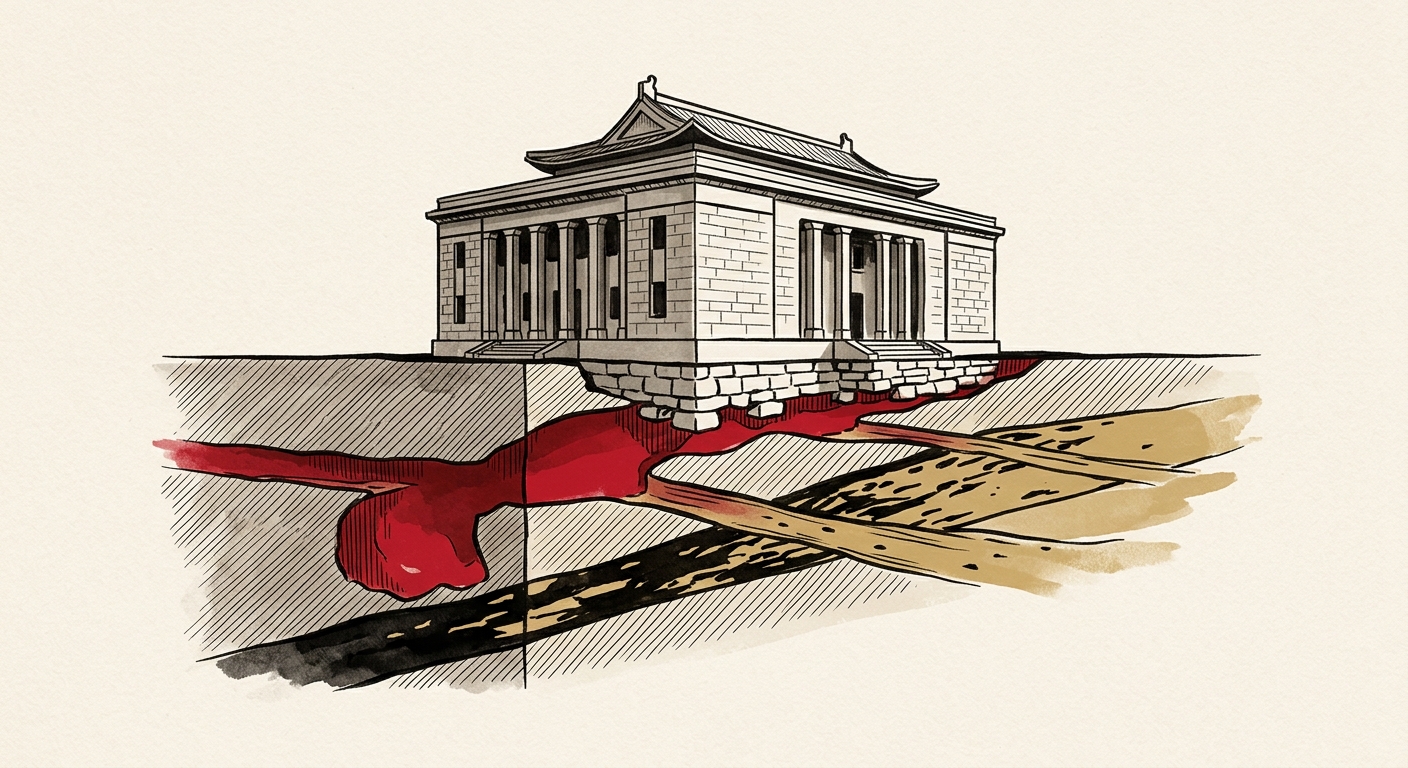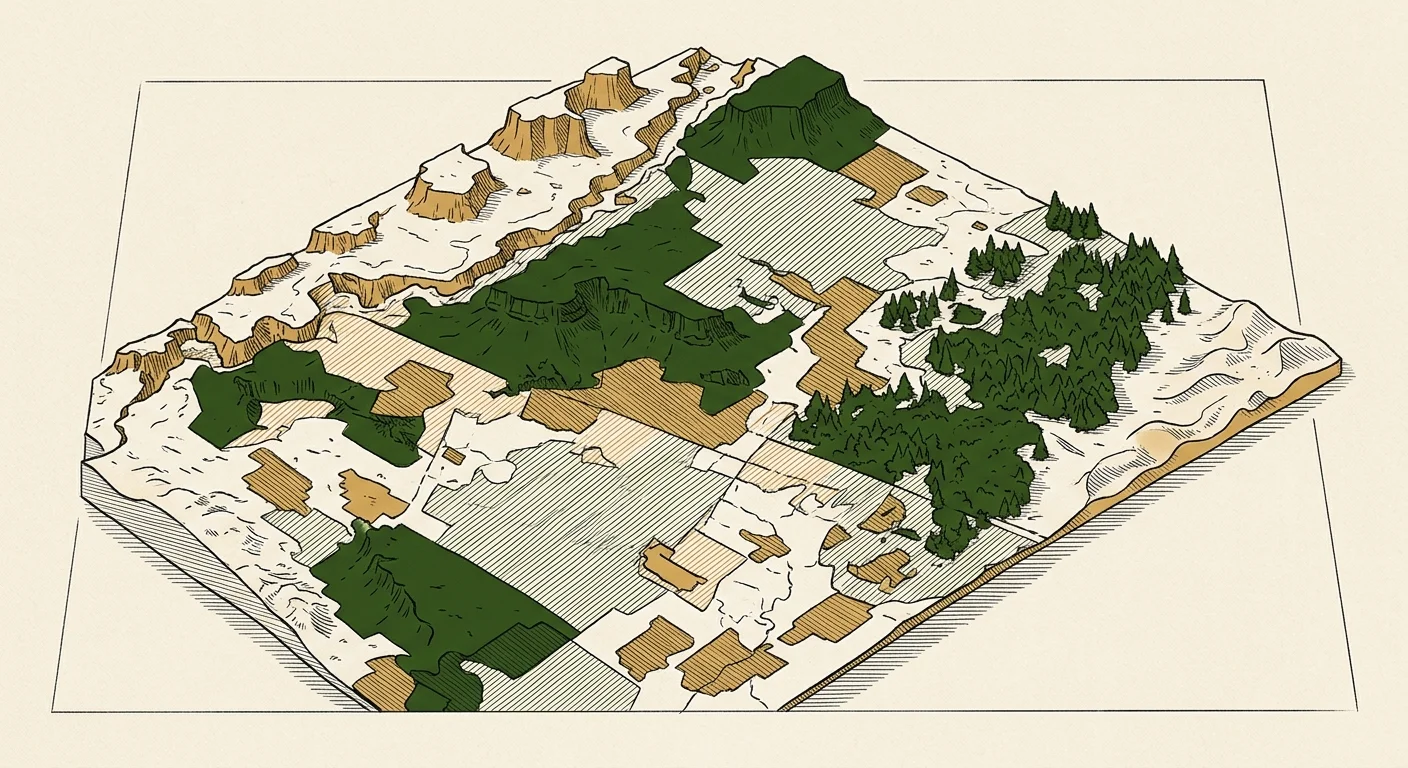
141 national monuments. 112 years. The law that was supposed to protect history became the most contested land-use tool in American politics.
The Antiquities Act of 1906 gave presidents the power to protect land by declaration — no Congress required, no public comment, no delay. Theodore Roosevelt used it immediately, designating 18 monuments in his first two years. In the century that followed, every president except Richard Nixon used it.
By 2017, the Act had produced 141 national monuments covering hundreds of millions of acres. It also produced a political battleground. The same power that creates a monument can reshape or eliminate one — and presidents have used both directions with equal force.
Who used the Antiquities Act — and how
Theodore Roosevelt invented the modern monument. In just 2 years, Roosevelt established 18 monuments — more than most presidents managed in full terms. Devil's Tower, Grand Canyon, Muir Woods. He created the template: act fast, protect first, argue later.
FDR: the Antiquities Act's heaviest user. Franklin Roosevelt made 32 total actions under the Act — far more than any other president. He enlarged monuments, established new ones, and in some cases abolished others. His net acreage protected exceeded every predecessor and most successors.
The taking-away presidents. Some presidents used the Act to reduce or abolish what predecessors protected. This is the contested terrain: can a president undo what a president made? Courts have never definitively answered the question. In 2017, the Trump administration moved to shrink Bears Ears and Grand Staircase — triggering legal battles still unresolved.
Between 1906 and 2017, presidents used the Antiquities Act 300 times. Monuments were established 141 times. The rest were enlargements, reductions, and abolishments — each one a political act as much as a conservation one.
Every Democratic president since FDR used the Act to expand protection. Every Republican president since Reagan has faced pressure to roll it back. The Act itself is neutral. It gives power. What presidents do with that power reveals what they believe government is for.
The monument is not just land. It is a statement about what a country decides to keep.
MORE IN POLITICS
9 Questions: How Well Do You Know Mongolian History?
The Price of Deterrence
The $20,000 weapon that broke the math of modern war.
Parliament Reset